

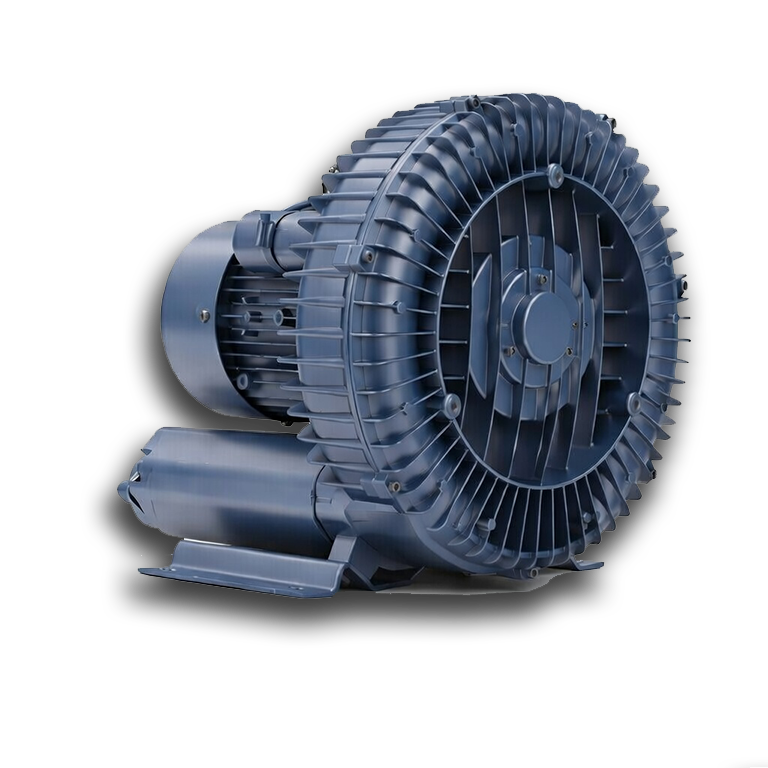
Ring Blowers in Wastewater Treatment Plants
Water is one of the most important resources on earth, and wastewater treatment plants play a critical role in protecting the environment, public health, and natural ecosystems. To treat wastewater properly, plants need reliable machines that can operate continuously, provide clean air, and support biological treatment processes.
One of the most important machines used in wastewater treatment plants is the ring blower.
Also known as side channel blowers or regenerative blowers, ring blowers are widely used in wastewater treatment because they provide oil-free air, continuous operation, energy efficiency, and long-term reliability.
Why Air Is Important in Wastewater Treatment
Wastewater treatment is not just about filtering water. A large part of the treatment process depends on biological treatment, where bacteria and microorganisms break down organic waste.
These microorganisms need oxygen to survive and work effectively. This oxygen is supplied through aeration systems, where air is pumped into water.
This is where ring blowers play a major role.
They supply clean air to:
- Aeration tanks
- Bio-reactors
- Equalization tanks
- Activated sludge systems
- Moving Bed Biofilm Reactors (MBBR)
- Sewage treatment plants (STP)
- Effluent treatment plants (ETP)
What Is a Ring Blower?
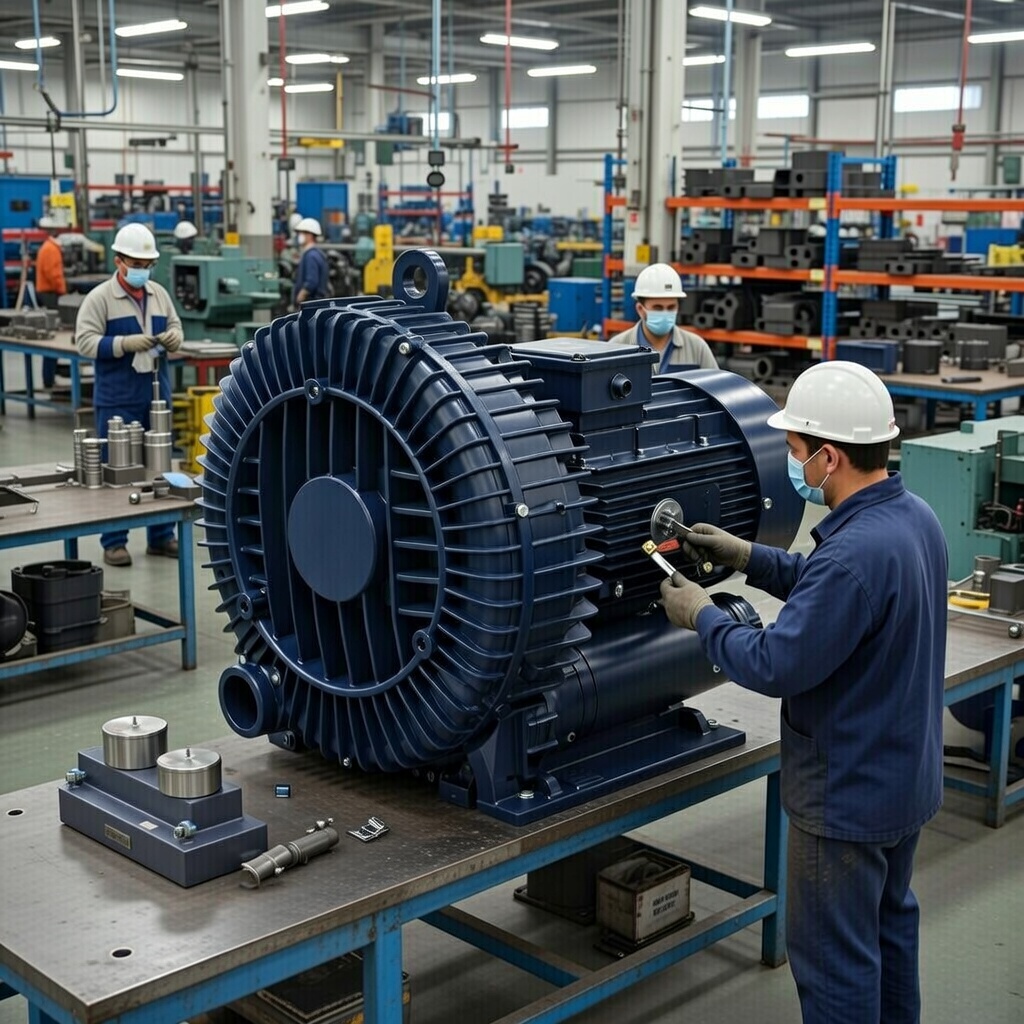
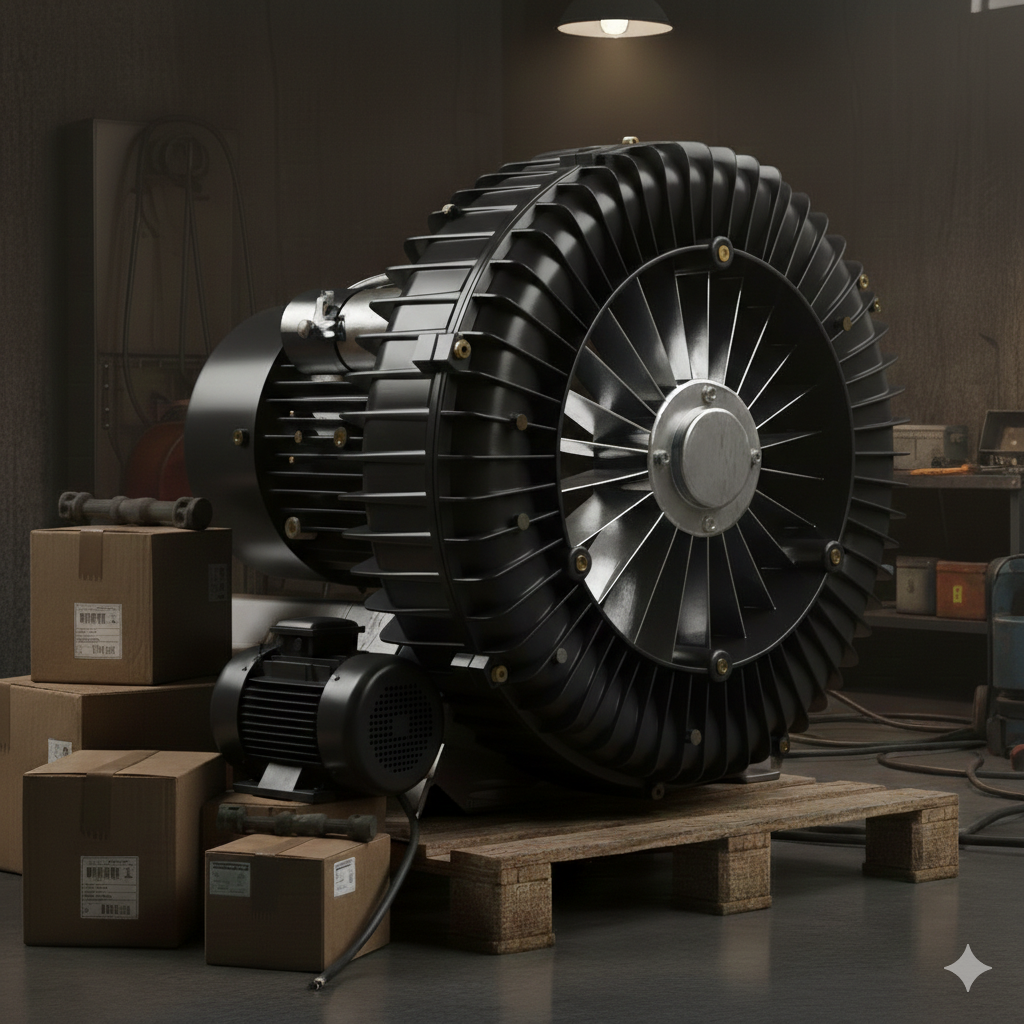
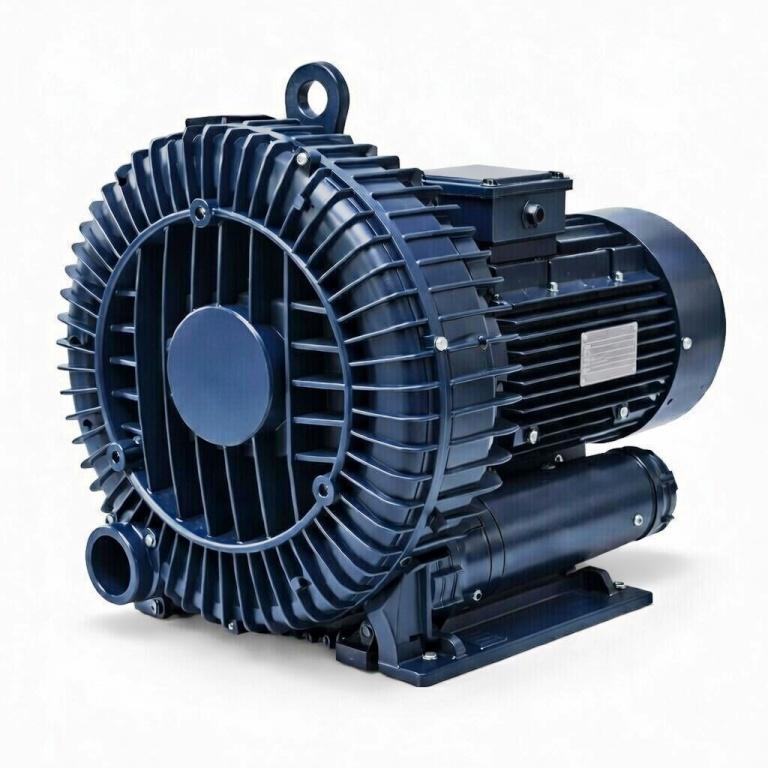
A ring blower is an industrial air machine that moves air using a rotating impeller and a circular airflow path called a side channel.
Unlike compressors, ring blowers do not compress air inside a chamber. Instead, they move air continuously and smoothly, creating airflow pressure or vacuum.
In wastewater treatment plants, ring blowers are mainly used for aeration, which means supplying air into water.
How Ring Blowers Work in Wastewater Plants (Simple Explanation)
- Air enters the blower through the inlet
- A rotating impeller moves the air in a circular path
- Air gains energy with each rotation
- Air exits the blower at higher pressure
- This pressurized air is sent to aeration tanks
- Air bubbles enter the water
- Oxygen dissolves into the water
- Bacteria use oxygen to break down waste
This process helps clean the wastewater naturally and efficiently.
Why Ring Blowers Are Ideal for Wastewater Treatment Plants
1. Oil-Free Air Supply
Ring blowers provide 100% oil-free air, which is extremely important for water treatment.
Benefits:
- No water contamination
- No oil pollution
- No toxic discharge
- Environment-friendly operation
- Safe for biological systems
Clean air protects bacteria and improves treatment quality.
2. Continuous 24/7 Operation
Wastewater treatment plants run 24 hours a day, 365 days a year. Ring blowers are designed for continuous-duty operation.
They provide:
- Stable airflow
- Non-stop aeration
- Reliable performance
- No frequent breakdowns
This ensures smooth treatment without system failure.
3. Energy Efficiency
Aeration is one of the highest energy-consuming processes in wastewater treatment.
Ring blowers are efficient in low to medium pressure applications, which helps:
- Reduce electricity consumption
- Lower operating costs
- Improve plant energy efficiency
- Support sustainable operations
4. Low Maintenance Requirement
Ring blowers have:
- Simple design
- Fewer moving parts
- No oil system
- No complex mechanisms
This means:
- Easy maintenance
- Low servicing cost
- Less downtime
- Long service life
Perfect for treatment plants where reliability is critical.
5. Compact and Space-Saving Design
Ring blowers are compact in size, making them ideal for:
- Small treatment plants
- Containerized STPs
- Mobile treatment units
- Compact ETP systems
- Retrofit installations
6. Low Noise Operation
Many wastewater plants are located near residential areas. Ring blowers operate with lower noise levels, improving:
- Community comfort
- Worker safety
- Environmental compliance
- Indoor installation suitability
Key Applications of Ring Blowers in Wastewater Treatment
1. Aeration Tanks
Ring blowers supply air to aeration tanks where bacteria break down organic waste.
2. Activated Sludge Process
Oxygen is supplied to support bacterial growth for waste digestion.
3. MBBR Systems (Moving Bed Biofilm Reactor)
Ring blowers provide air to keep bio-media moving and oxygenated.
4. Equalization Tanks
Air mixing helps prevent sedimentation and maintains uniform water quality.
5. Biological Reactors
Oxygen supports biological treatment reactions.
6. Sludge Treatment Systems
Air is used for sludge processing and conditioning.
Single-Stage vs Double-Stage Ring Blowers in Water Treatment
Single-Stage Ring Blowers
- Used for small to medium plants
- Low pressure aeration
- Energy efficient
- Compact design
Double-Stage Ring Blowers
- Used for large plants
- Higher air pressure
- Heavy-duty applications
- Continuous industrial performance
Benefits of Using Ring Blowers in Treatment Plants
- Clean and oil-free air
- Stable aeration
- Reliable operation
- Low maintenance
- Low operating cost
- Long service life
- Energy efficiency
- Compact installation
- Environment-friendly
- Sustainable performance
Choosing the Right Ring Blower for a Treatment Plant
To select the right ring blower, consider:
- Tank size
- Airflow requirement
- Oxygen demand
- Operating pressure
- Plant capacity
- Daily operating hours
- Installation space
- Noise limits
- Power availability
Correct selection improves treatment efficiency and reduces cost.
Common Mistakes to Avoid
- Using wrong blower size
- Oversizing the blower
- Poor aeration system design
- Blocked air filters
- Poor pipe design
- No backup blower
- Poor ventilation
- Lack of maintenance plan
Preventive Maintenance Tips
To keep ring blowers working efficiently:
- Clean inlet filters
- Check airflow pressure
- Inspect pipes
- Monitor temperature
- Check vibration
- Ensure proper ventilation
- Schedule inspections
- Keep spares ready
Environmental Benefits
Ring blowers support environmental protection by:
- Reducing pollution
- Preventing oil contamination
- Supporting clean water production
- Improving ecosystem protection
- Supporting sustainable development
Long-Term Value for Treatment Plants
Ring blowers provide:
- Low life-cycle cost
- Long service life
- Reliable performance
- Low downtime
- Stable treatment quality
- Better compliance
- Improved plant efficiency
- High return on investment
Future of Wastewater Treatment with Ring Blowers
As wastewater treatment moves toward:
- Smart plants
- Automated systems
- Energy-efficient operations
- Sustainable technologies
- Green infrastructure
Ring blowers will continue to play a key role in aeration and treatment systems.
Their clean air technology, reliability, and efficiency make them future-ready machines for water treatment plants.
Conclusion
Ring blowers are an essential part of modern wastewater treatment plants. Their oil-free air, continuous operation, energy efficiency, low maintenance, compact design, and long service life make them ideal for aeration and biological treatment processes.
From small STPs to large municipal plants, ring blowers provide clean, reliable, and cost-effective air solutions for wastewater treatment.
For any treatment plant looking for efficient aeration, stable performance, and long-term reliability, ring blowers are the perfect solution.

Leave A Comment