

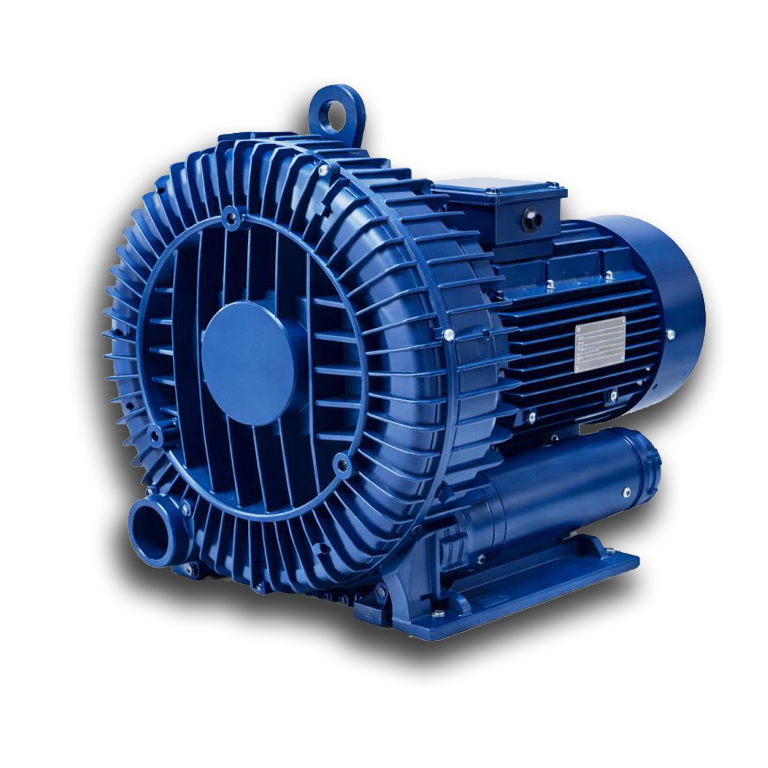
How Air Engineering Impacts Product Quality
In modern manufacturing, product quality is not only controlled by machines, materials, or workers. One of the most important but often invisible factors is air engineering.
Air engineering means the design, control, and management of industrial air systems—how air moves, how clean it is, how stable the pressure is, and how efficiently it flows through the factory.
Today, air engineering plays a direct role in product quality.
What Is Air Engineering?
Air engineering includes:
- Airflow design
- Pressure control systems
- Filtration systems
- Clean air technology
- Oil-free air systems
- Vacuum systems
- Blower and compressor engineering
- Air distribution networks
- Environmental air control
It is the science of managing air as a production tool.
Clean Air = Clean Products
Contaminated air can damage product quality through:
- Dust particles
- Oil vapors
- Moisture
- Chemical fumes
- Bacteria
- Micro-contaminants
Proper air engineering ensures:
- Clean airflow
- Filtration control
- Contamination-free production
- Hygienic manufacturing environments
This is critical for:
- Food processing
- Pharmaceuticals
- Electronics
- Medical devices
- Packaging
- Bottling industries
Pressure Stability and Product Accuracy
Unstable air pressure can cause:
- Inconsistent machine operation
- Uneven coating
- Irregular cutting
- Poor sealing
- Packaging defects
- Production errors
Air engineering ensures:
- Stable airflow
- Balanced pressure systems
- Smooth machine performance
- Consistent production quality
Airflow Control and Process Precision
Modern manufacturing needs precision. Air engineering supports:
- Accurate material handling
- Controlled vacuum systems
- Stable pneumatic operations
- Precise drying systems
- Uniform cooling processes
This directly improves product consistency.
Oil-Free Air Systems and Quality Standards
Oil contamination can destroy product quality in:
- Food products
- Medicines
- Electronics
- Clean rooms
- Medical equipment
- Cosmetics
Oil-free air engineering provides:
- Pure air systems
- Clean production lines
- Compliance with quality standards
- International certification support
- Zero contamination risk
Temperature and Moisture Control
Poor air control can lead to:
- Moisture damage
- Product deformation
- Mold growth
- Packaging failure
- Material degradation
Air engineering helps manage:
- Humidity control
- Thermal airflow
- Climate stability
- Process cooling
- Controlled drying
Dust Control and Clean Manufacturing
Dust affects:
- Product appearance
- Mechanical parts
- Electronic circuits
- Packaging quality
- Machine performance
Advanced air engineering provides:
- Dust extraction systems
- Clean airflow circulation
- Filtration control
- Controlled ventilation
- Clean production zones
Vacuum Systems and Quality Handling
Vacuum systems handle:
- Fragile products
- Delicate materials
- Precision components
- Food packaging
- Electronics parts
Good air engineering ensures:
- Gentle handling
- Damage-free movement
- Controlled suction
- Stable transport
- Safe processing
Noise Control and Production Accuracy
High noise environments affect:
- Worker concentration
- Machine calibration
- Process accuracy
- Quality inspection
Air engineering includes:
- Noise control systems
- Acoustic air solutions
- Silent air systems
- Controlled airflow noise
Better environment = better quality.
Automation Quality Control
Air engineering supports:
- Automated production lines
- Robotic systems
- AI manufacturing
- Smart machines
- Digital factories
Air becomes part of automated quality control.
Predictive Maintenance and Quality Stability
Smart air systems enable:
- Predictive maintenance
- Failure prevention
- Performance monitoring
- Process stability
- Quality consistency
Quality improves when systems are reliable.
Industry Applications Where Air Engineering Is Critical
- Pharmaceutical manufacturing
- Food and beverage plants
- Electronics assembly
- Semiconductor industries
- Medical equipment production
- Packaging industries
- Chemical plants
- Automotive manufacturing
- Textile industries
- Cleanroom environments
Business Benefits of Quality Air Engineering
For companies, this means:
- Higher product quality
- Lower rejection rates
- Reduced defects
- Better customer trust
- Strong brand reputation
- Compliance with standards
- Lower warranty claims
- Better certifications
- Market competitiveness
Future of Quality Control Through Air Engineering
Future manufacturing will use:
- Smart air networks
- AI-controlled airflow
- Digital air twins
- Predictive airflow systems
- IoT-based air control
- Autonomous air systems
Air engineering will become a quality control technology, not just a utility.
Conclusion
Air engineering is not just about moving air—it is about protecting product quality. From clean air and stable pressure to contamination control and process precision, air engineering directly impacts the final product.
Modern manufacturing success depends not only on machines and automation, but also on intelligent air systems.
If quality matters, air engineering matters.

Leave A Comment