

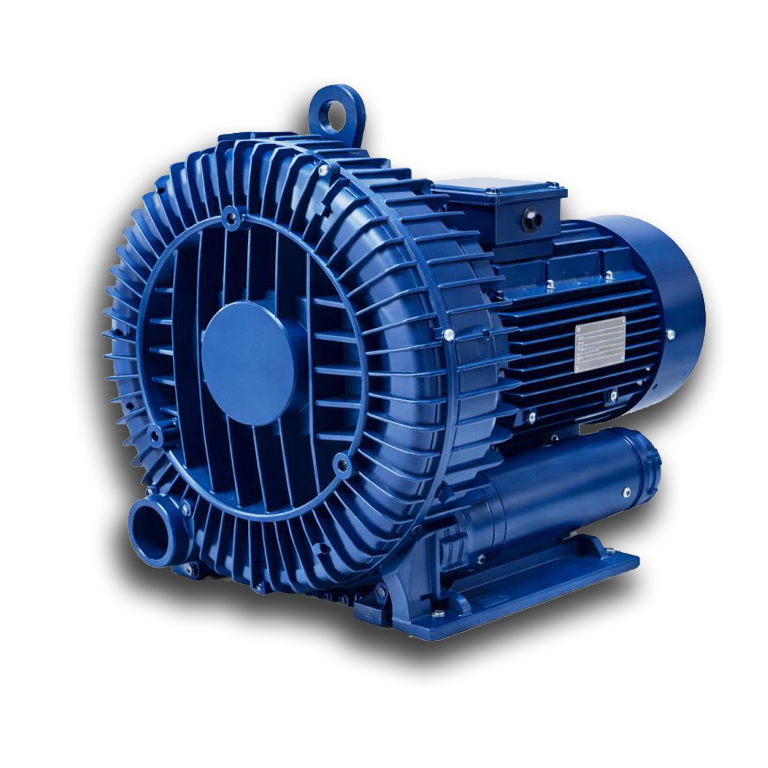
How to Choose the Best Ring Blower for Your Business
Choosing the right ring blower can make a big difference in performance, energy costs, reliability, and long-term operational success. But with many options available, how do you know which one is the best fit for your needs?
This guide explains all the key factors you should consider before buying a ring blower, helping you make a smart, cost-effective decision.
✅ What Is a Ring Blower?
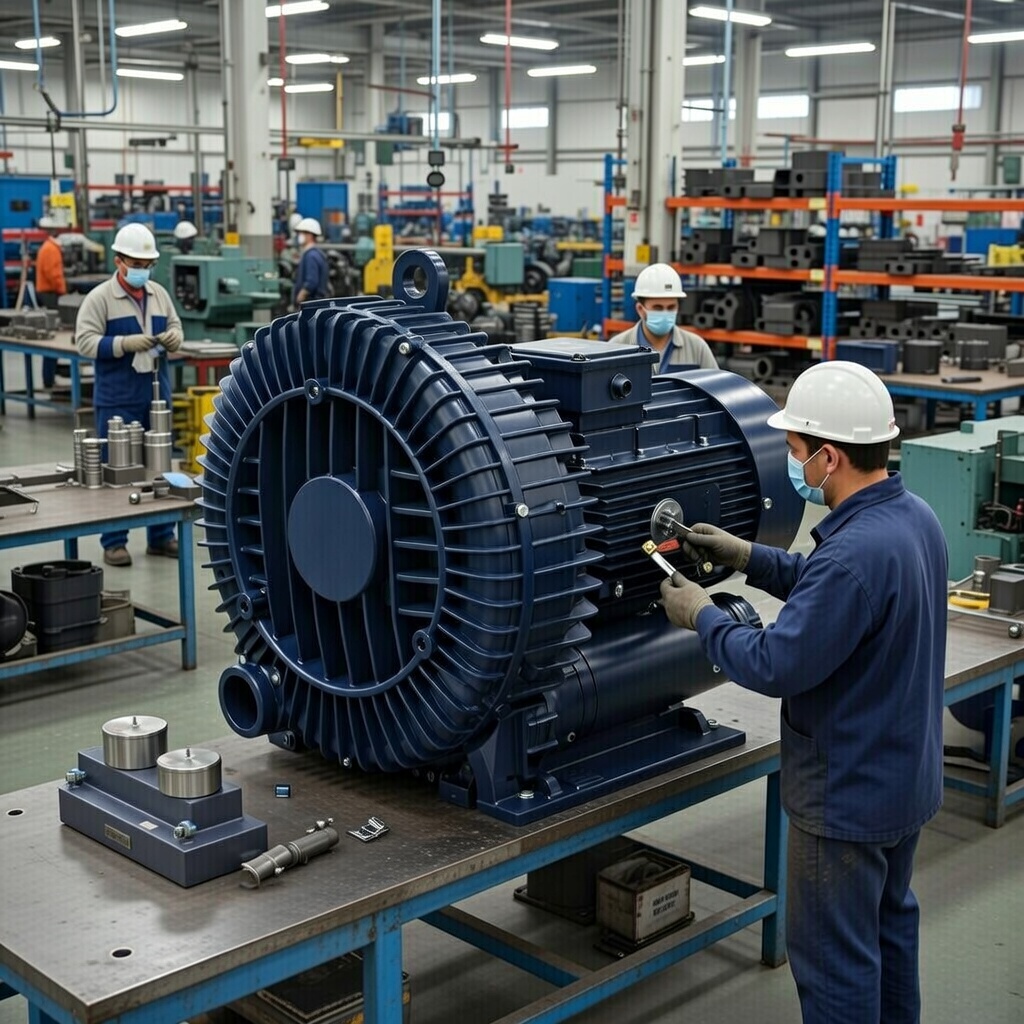
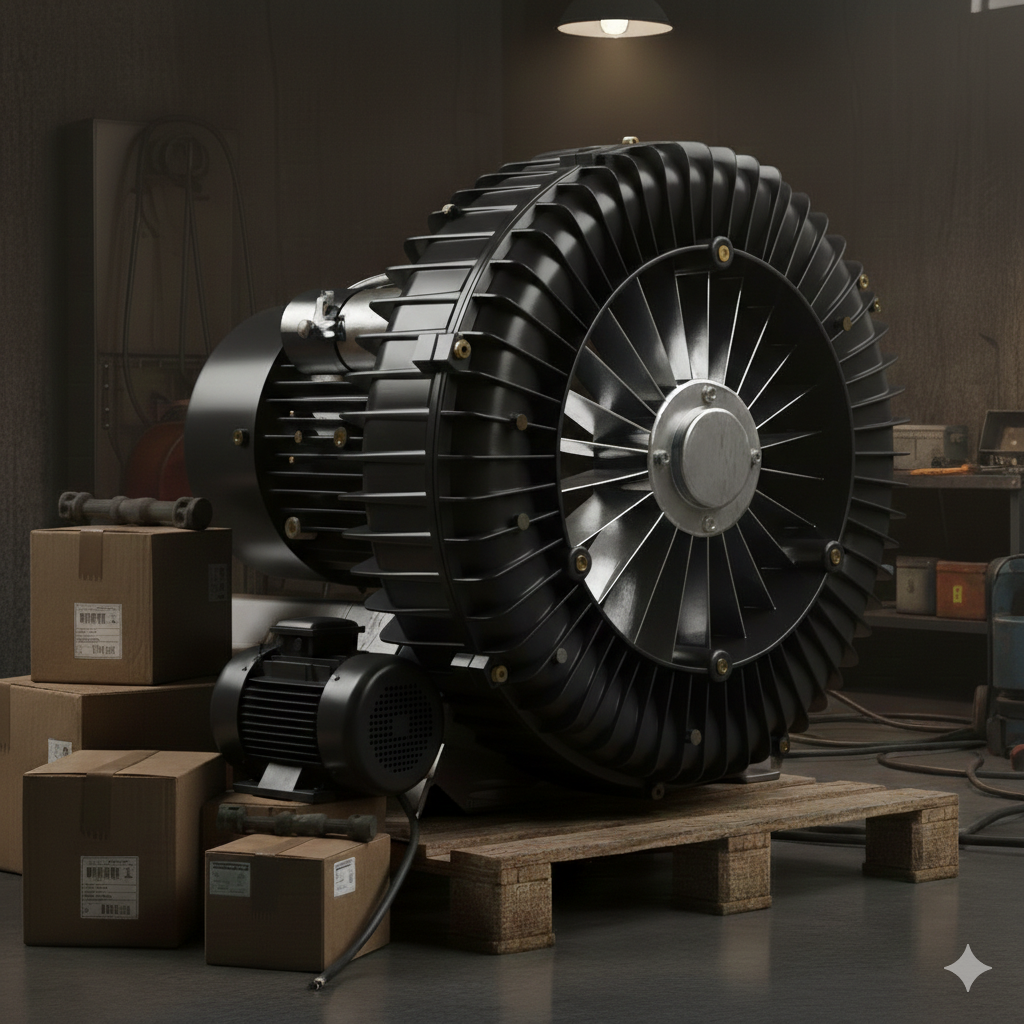
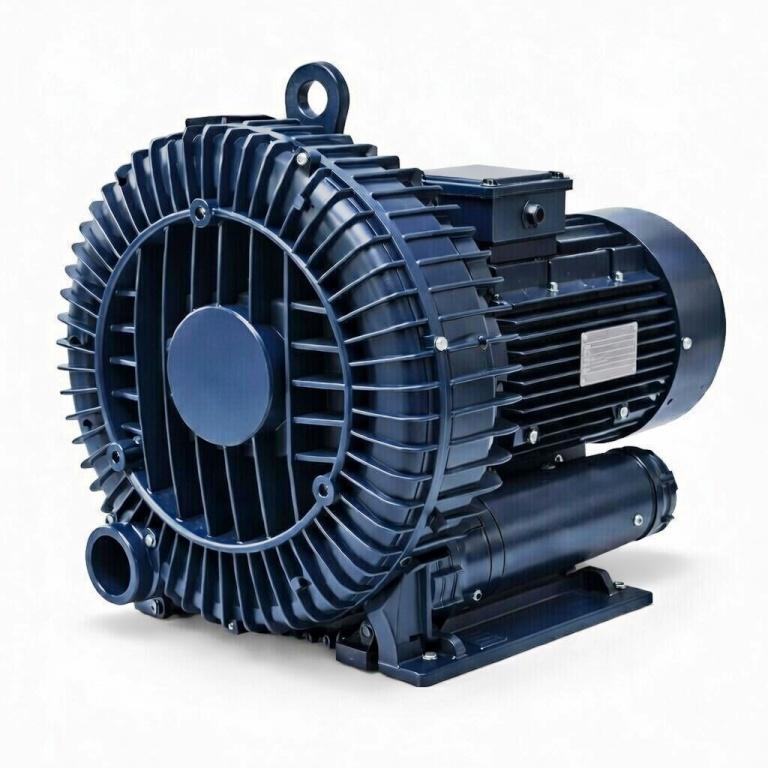
A ring blower (also called a side channel blower or regenerative blower) is a machine that moves air or gas without oil, creating pressure or vacuum for industrial processes.
These blowers are ideal for:
- Pneumatic conveying
- Vacuum systems
- Wastewater aeration
- Packaging lines
- Printing and paper handling
- Dust extraction
- Pneumatic automation
- Cooling systems
Choosing the right one ensures efficiency, reliability, and cost savings.
🧠 1. Understand Your Application Needs
Every industry uses air systems differently. Before selecting a ring blower, answer:
❓ Core Questions
- Are you using it for pressure (blowing air) or vacuum (suction)?
- What exactly will the blower power in your process?
- Is the environment dusty, wet, hot, or corrosive?
Understanding your application helps you determine performance requirements and the type of blower needed.
📊 2. Determine Required Airflow (CFM / m³/h)
The airflow requirement (measured in CFM or m³/h) tells you how much air the blower must move.
How to estimate:
- Review system demand
- Check past machine data
- Talk to process engineers
→ Too small → insufficient performance
→ Too large → wasted energy and unnecessary cost
Match the blower’s airflow rating with your actual process needs.
🌡️ 3. Determine Required Pressure or Vacuum
Ring blowers are rated by:
- Pressure (in mbar or kPa) — for pushing air
- Vacuum (in mbar or negative kPa) — for suction tasks
Key points:
- Low to medium pressure: standard applications
- High pressure: demanding industrial processes
- High vacuum: specialised suction systems
Choose a blower that covers the pressure/vacuum range needed by your application.
⚙️ 4. Single-Stage or Double-Stage?
Ring blowers come in two basic designs:
✔ Single-Stage
- Lower pressure
- Energy friendly
- Compact size
- Best for general industrial use
✔ Double-Stage
- Higher pressure or deeper vacuum
- Better performance for heavy systems
- Slightly larger and more powerful
Match stage design to the intensity of your process.
⚡ 5. Energy Efficiency and Operating Cost
Energy cost is a major driver of industrial expenses.
Look for blowers with:
📌 High-efficiency motors
📌 Lower power draw at required operating points
📌 Smooth pressure curves
📌 Minimal energy loss at your operating point
A more efficient blower reduces running costs over time.
🔄 6. Continuous Duty and Reliability
Industries often need blowers for 24/7 operation. Make sure the blower is:
- Rated for continuous duty
- Designed for long life
- Built with high-temperature tolerance
- Equipped with motor protection
Continuous operation demands higher build quality and reliability.
🔇 7. Noise and Vibration Levels
If the blower will run indoors or near employees, consider:
- Low-noise models
- Vibration-damped mounting
- Acoustic covers or silencers
A quieter system improves:
✔ Worker comfort
✔ Safety compliance
✔ Office-friendly environments
🛡️ 8. Built-In Safety Features
Look for safety systems such as:
✅ Thermal overload protection
✅ Over current protection
✅ Pressure relief valves
✅ Automatic shutoffs
✅ Electrical insulation
✅ Vibration monitoring
Safety features protect the machine, the process, and your workplace.
🔄 9. Maintenance and Serviceability
A good ring blower should be:
- Easy to clean
- Simple to access filters
- Modular for part replacement
- Supported by spare parts availability
Lower maintenance means lower downtime and lower service costs.
🌍 10. Environmental Compliance (ESG + Sustainability)
Modern buyers also consider:
✔ Energy efficiency ratings
✔ Low emissions
✔ Oil-free air systems
✔ Sustainable materials
✔ Compliance with environmental standards
Choosing green blowers helps meet ESG targets and improves your sustainability profile.
🧰 11. Smart Integration and Automation Readiness
If you’re building or upgrading a smart factory, look for:
🔹 Digital monitoring
🔹 Sensor integration
🔹 IoT connectivity
🔹 Predictive maintenance
🔹 PLC/SCADA compatibility
Smart features help reduce downtime and optimise performance.
🔎 12. Manufacturer Reputation Matters
Not all blowers are built the same. Choose a brand that offers:
- Proven track record
- Strong customer reviews
- Warranty coverage
- After-sales support
- Global service network
- Technical guidance
Good support maximises up time and minimises risk.
📈 13. Value Over Initial Cost
The cheapest blower upfront may not be the most cost-effective.
Consider:
✔ Energy costs over time
✔ Maintenance costs
✔ Expected service life
✔ Downtime risk
✔ Performance consistency
A high-quality blower can end up cheaper over its life cycle.
🧪 14. Test Before Deployment (If Possible)
For critical systems, do:
- Site performance validation
- Trial runs
- Bench marking against specs
Test data helps verify if the blower truly meets your needs.
📝 Quick Buying Checklist
✔ Correct airflow rating
✔ Required pressure/vacuum range
✔ Single or double stage
✔ Energy efficiency rating
✔ Continuous duty capability
✔ Noise level requirements
✔ Safety and protection features
✔ Maintenance ease
✔ Environmental compliance
✔ Smart control readiness
✔ Trusted manufacturer support
🔚 Conclusion
Selecting the right ring blower is more than a purchase — it’s a strategic industrial decision that affects performance, cost, reliability, and sustainability.
The best ring blower for your business is one that:
✅ Matches your actual process needs
✅ Runs efficiently and reliably
✅ Keeps operating cost low
✅ Improves productivity
✅ Supports sustainability goals
✅ Integrates with smart systems
✅ Backed by strong manufacturer support
When you choose wisely, your ring blower pays back in performance, savings, and reliability.

Leave A Comment