

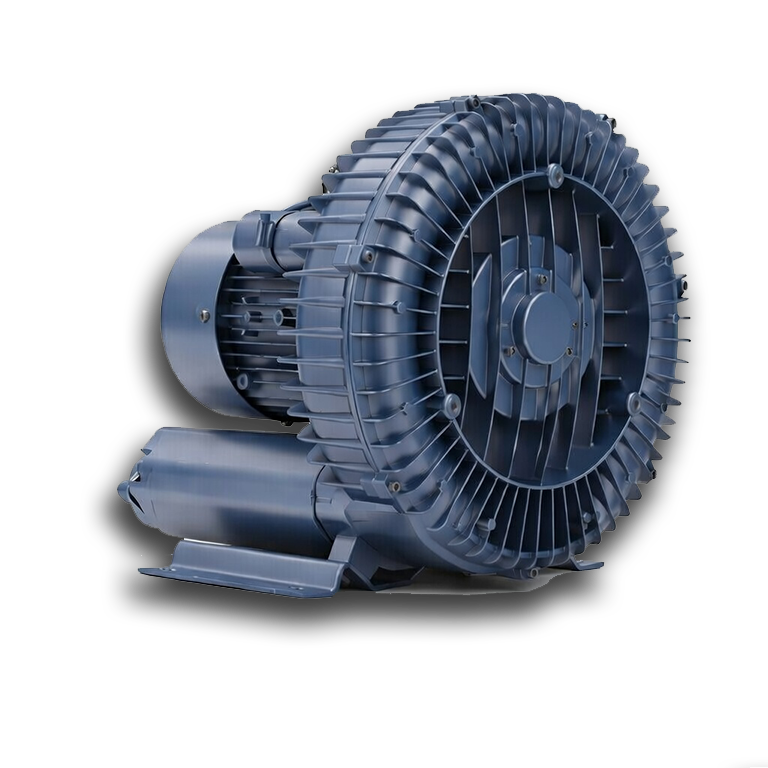
Why Air Systems Are the Backbone of Manufacturing
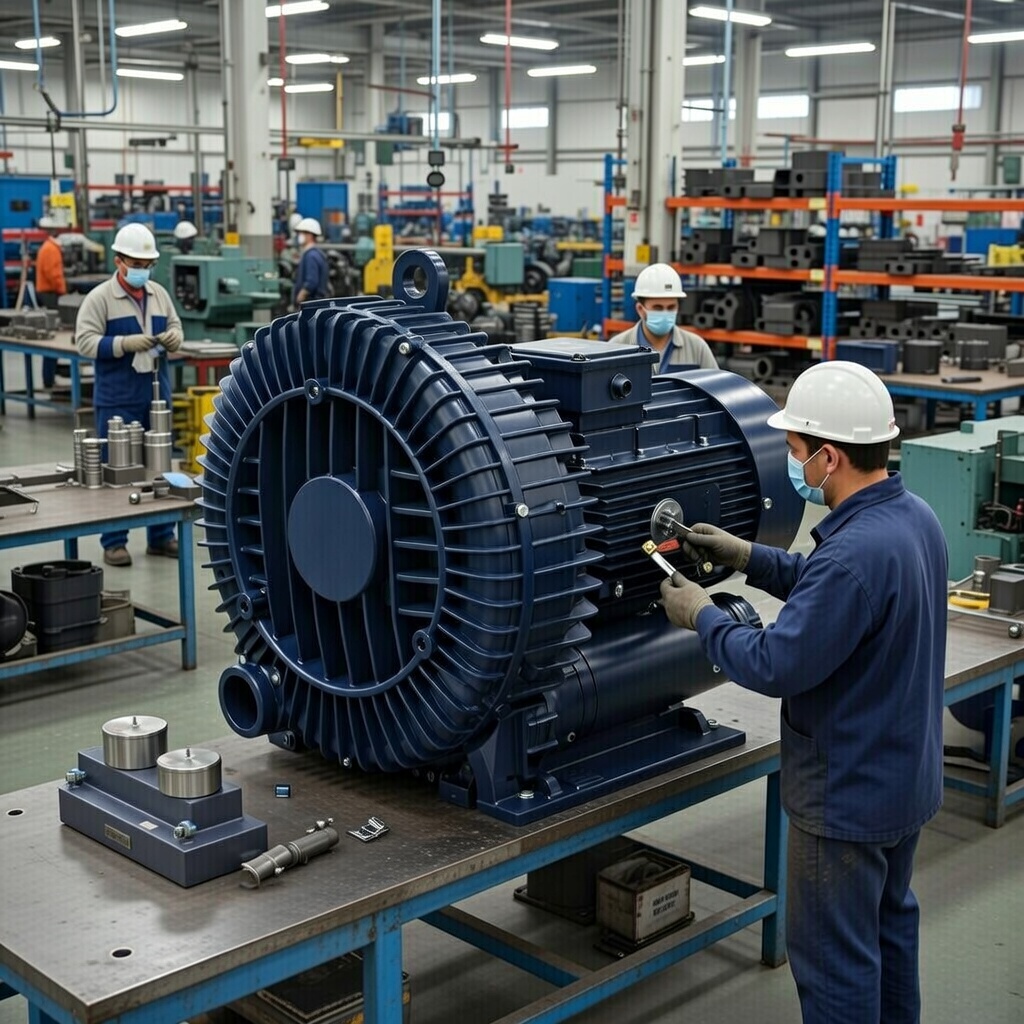
When people think about manufacturing, they usually think about machines, robots, raw materials, automation, and technology. But behind all these visible systems, there is one invisible force that keeps everything running smoothly — industrial air systems.
Air systems are not just support equipment. They are the backbone of modern manufacturing.
Without air systems, factories cannot function efficiently, safely, or continuously.
Air Systems Power Everyday Industrial Operations
Air systems are used in almost every part of manufacturing:
- Material handling
- Machine operation
- Pneumatic tools
- Automation lines
- Packaging systems
- Vacuum lifting
- Cooling processes
- Drying systems
- Cleaning operations
- Waste management
They operate quietly in the background, but they keep the entire production chain alive.
Air Systems Enable Automation
Modern factories depend on automation. Automation depends on air.
Air systems power:
- Pneumatic cylinders
- Robotic arms
- Automated conveyors
- Pick-and-place systems
- Vacuum gripping systems
- Packaging machines
- Sorting machines
Without reliable air systems, automation stops.
Air Systems Support Smart Manufacturing
Smart factories use:
- IoT
- AI
- Sensors
- Data systems
- Digital monitoring
- Smart control systems
Modern air systems integrate with these technologies to provide:
- Smart airflow control
- Energy monitoring
- Predictive maintenance
- Digital performance tracking
- System optimisation
Air systems are now part of Industry 4.0.
Air Systems Protect Product Quality
Air quality directly affects product quality.
Good air systems provide:
- Clean air supply
- Oil-free operation
- Dust-free environments
- Stable airflow
- Controlled pressure
- Moisture control
This is critical for:
- Food manufacturing
- Pharmaceuticals
- Electronics
- Medical devices
- Packaging industries
- Bottling plants
Clean air = clean products.
Air Systems Improve Energy Efficiency
Energy cost is one of the biggest expenses in factories.
Modern air systems help by:
- Reducing energy loss
- Optimising airflow
- Smart load management
- Efficient motors
- Digital energy control
- Smart automation integration
Efficient air systems reduce electricity bills and improve profitability.
Air Systems Increase Production Speed
Air-powered systems are:
- Fast
- Reliable
- Continuous
- Stable
- Precise
They support high-speed production lines and continuous operations.
Faster production = higher output = better business performance.
Air Systems Reduce Downtime
Unstable air systems cause:
- Machine failures
- Production stops
- Process errors
- Equipment damage
- Quality problems
Modern air systems are designed for:
- Reliability
- Long life
- Low maintenance
- Predictive servicing
- Continuous operation
Less downtime means smoother production.
Air Systems Improve Workplace Safety
Air systems help create safer factories by:
- Dust control
- Fume extraction
- Clean airflow
- Ventilation
- Temperature control
- Noise reduction
A safe workplace improves productivity and worker satisfaction.
Air Systems Support Sustainable Manufacturing
Sustainability is now a business requirement.
Air systems support sustainability by:
- Reducing energy consumption
- Supporting clean production
- Enabling oil-free systems
- Reducing emissions
- Supporting green factories
- Improving resource efficiency
Air Systems Enable Scalable Manufacturing
As businesses grow, air systems support:
- Factory expansion
- New production lines
- Modular manufacturing
- Flexible layouts
- Scalable operations
They grow with the business.
Air Systems Connect All Industrial Processes
Air systems link:
- Machines
- Workers
- Automation
- Quality control
- Logistics
- Packaging
- Storage
- Waste management
They act as the circulatory system of the factory.
Industries That Depend on Air Systems
- Manufacturing plants
- Packaging industries
- Food processing
- Pharmaceuticals
- Automotive
- Electronics
- Textile industries
- Chemical plants
- Wastewater treatment
- Renewable energy plants
Business Value of Strong Air Systems
For companies, air systems deliver:
- Higher productivity
- Better quality
- Lower costs
- Energy savings
- Reduced downtime
- Automation readiness
- Business stability
- Long-term ROI
- Competitive advantage
The Future of Manufacturing Is Built on Air Systems
Future factories will be:
- Smart
- Automated
- Clean
- Digital
- Sustainable
- Energy-efficient
- AI-powered
And air systems will be at the core of this future.
Conclusion
Air systems are not just machines — they are the backbone of manufacturing. They power automation, protect quality, support sustainability, enable smart factories, improve efficiency, and drive profitability.
Behind every successful factory is a reliable air system.
Modern manufacturing stands on many technologies — but air systems hold everything together.

Leave A Comment