
Asset Lifecycle Management of Ring Blowers
In modern industry, equipment is not just machinery — it is a long-term business asset. Every machine has a life cycle, from selection and installation to operation, maintenance, and replacement. Managing this life cycle properly is called Asset Lifecycle Management (ALM).
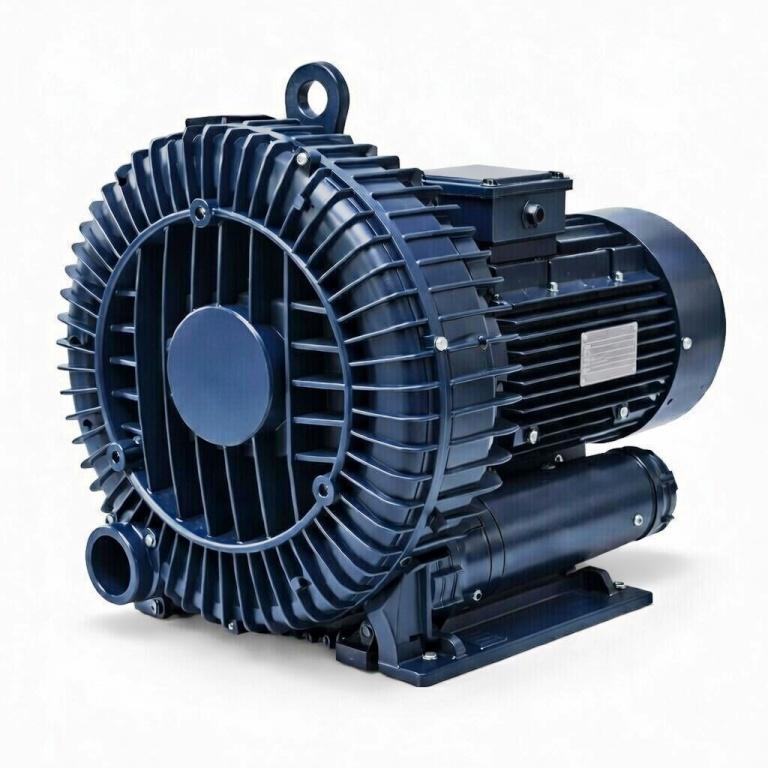
For industrial air systems, ring blowers (side channel / regenerative blowers) are critical assets that support production, automation, material handling, and process stability. Managing their life cycle correctly helps industries achieve higher efficiency, lower costs, longer equipment life, and better ROI.
This blog explains Asset Lifecycle Management of ring blowers in a simple, practical way.
What Is Asset Lifecycle Management?
Asset Lifecycle Management means managing a machine through its full life stages:
- Planning
- Selection
- Design integration
- Installation
- Operation
- Monitoring
- Maintenance
- Optimization
- Upgrade
- Replacement
The goal is to maximize value and minimize cost over the asset’s lifetime.
Lifecycle Stages of Ring Blowers
1. Planning Stage
This is where long-term value starts.
Key actions:
- Define application requirements
- Identify pressure or vacuum needs
- Calculate airflow demand
- Estimate duty cycle
- Evaluate energy needs
- Plan system integration
- Define environmental conditions
Good planning prevents future failures.
2. Selection Stage
Choosing the right ring blower is critical.
Selection factors:
- Pressure and vacuum range
- Airflow capacity
- Single-stage or double-stage
- Energy efficiency
- Noise levels
- Duty rating
- Material quality
- Motor efficiency
- Compliance standards
Wrong selection = high cost for life.
3. Design Integration Stage
System design affects performance.
Key design areas:
- Pipe sizing
- Flow layout
- Filtration systems
- Cooling design
- Noise control
- Electrical integration
- Control system compatibility
- Automation readiness
Good design = long asset life.
4. Installation Stage
Correct installation ensures reliability.
Best practices:
- Proper foundation
- Vibration isolation
- Correct alignment
- Electrical safety
- Air inlet filtration
- Cooling airflow
- Noise insulation
- Safety protection systems
Bad installation shortens life.
5. Operation Stage
This is the longest life phase.
Operational focus:
- Load-based operation
- Avoid overloading
- Maintain airflow balance
- Monitor pressure/vacuum
- Temperature control
- Energy management
- Automation integration
- Process synchronization
Stable operation protects the asset.
6. Monitoring Stage
Smart monitoring improves life.
Monitoring systems track:
- Temperature
- Vibration
- Noise
- Pressure
- Vacuum
- Power consumption
- Load cycles
- Operating hours
Data = asset protection.
7. Maintenance Stage
Preventive maintenance saves cost.
Maintenance includes:
- Filter cleaning
- Bearing inspection
- Electrical checks
- Cooling system cleaning
- Noise inspection
- Leak detection
- Performance testing
Preventive care beats breakdown repair.
8. Optimization Stage
Performance tuning improves ROI.
Optimization actions:
- Energy optimization
- Speed control via VFD
- Flow balancing
- Load optimization
- System redesign
- Process alignment
- Efficiency upgrades
Optimization increases asset value.
9. Upgrade Stage
Technology upgrades extend life.
Upgrade options:
- Smart sensors
- Digital controllers
- VFD integration
- Noise control systems
- Energy-efficient motors
- Automation systems
- Remote monitoring
Upgrades modernize old assets.
10. Replacement Stage
Replacement is part of lifecycle.
Replacement planning includes:
- Performance decline analysis
- Energy cost analysis
- Maintenance cost analysis
- Reliability assessment
- Technology gap analysis
- ROI calculation
Smart replacement prevents losses.
Benefits of Asset Lifecycle Management
💰 Financial Benefits
- Lower operating costs
- Reduced maintenance cost
- Higher ROI
- Better capital planning
- Lower downtime losses
⚙ Operational Benefits
- Stable production
- Reliable performance
- Process consistency
- Automation reliability
- Production continuity
🌱 Sustainability Benefits
- Lower energy use
- Lower emissions
- Longer equipment life
- Reduced waste
- Sustainable manufacturing
📊 Management Benefits
- Asset visibility
- Data-driven decisions
- Predictive planning
- Risk reduction
- Compliance support
Digital Asset Management for Ring Blowers
Modern factories use:
- IoT sensors
- Digital twins
- AI monitoring
- Predictive analytics
- Cloud dashboards
- Smart maintenance systems
- Energy tracking platforms
This creates smart asset ecosystems.
Lifecycle Risk Management
ALM reduces risks like:
- Unexpected breakdowns
- Energy waste
- Process failure
- Safety risks
- Compliance risks
- Financial losses
- Production stoppage
Future of Asset Lifecycle Management
Future ALM will use:
- AI-driven lifecycle prediction
- Autonomous maintenance
- Smart self-diagnosing systems
- Digital twin simulations
- Carbon footprint tracking
- Circular economy integration
- Net-zero asset strategies
Business Impact
📈 Productivity growth
📉 Cost reduction
⚙ Process stability
🌱 Sustainability
🔁 Long-term reliability
🏭 Asset longevity
📊 Strategic planning
🔒 Risk control
Conclusion
Asset Lifecycle Management of ring blowers transforms machines into long-term business assets, not just equipment.
By managing each stage — planning, selection, operation, maintenance, and replacement — industries achieve:
- Maximum performance
- Long asset life
- Low total cost of ownership
- High reliability
- Energy efficiency
- Sustainable operations
- Smart manufacturing readiness
Ring blowers are not just air machines —
They are strategic industrial assets.
And managing their lifecycle properly is the key to long-term industrial success.

Leave A Comment