

Noise Engineering and Acoustic Design of Ring Blowers
In modern industrial environments, noise is not just an inconvenience — it is a serious operational, safety, and compliance issue. Excessive noise affects worker health, productivity, equipment life, and regulatory compliance. That’s why noise engineering and acoustic design are critical aspects of modern ring blower systems.
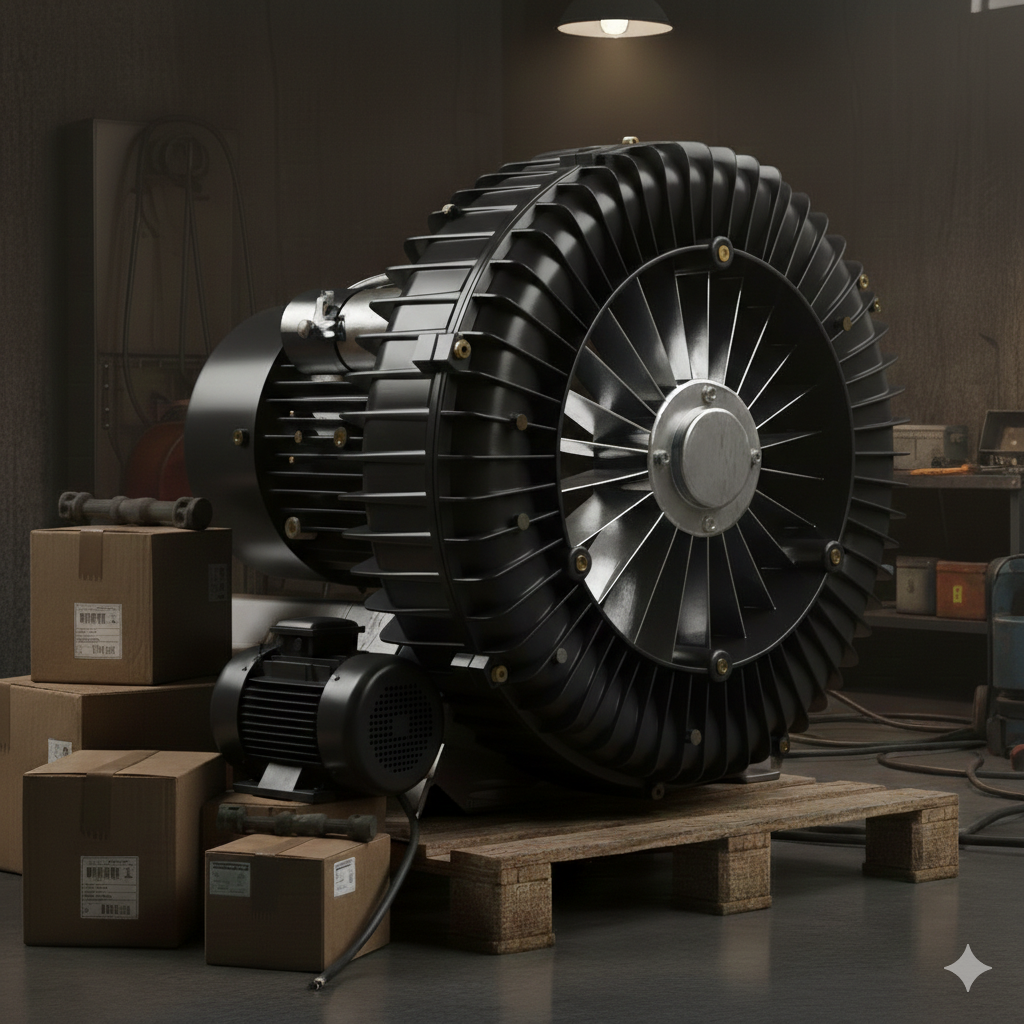
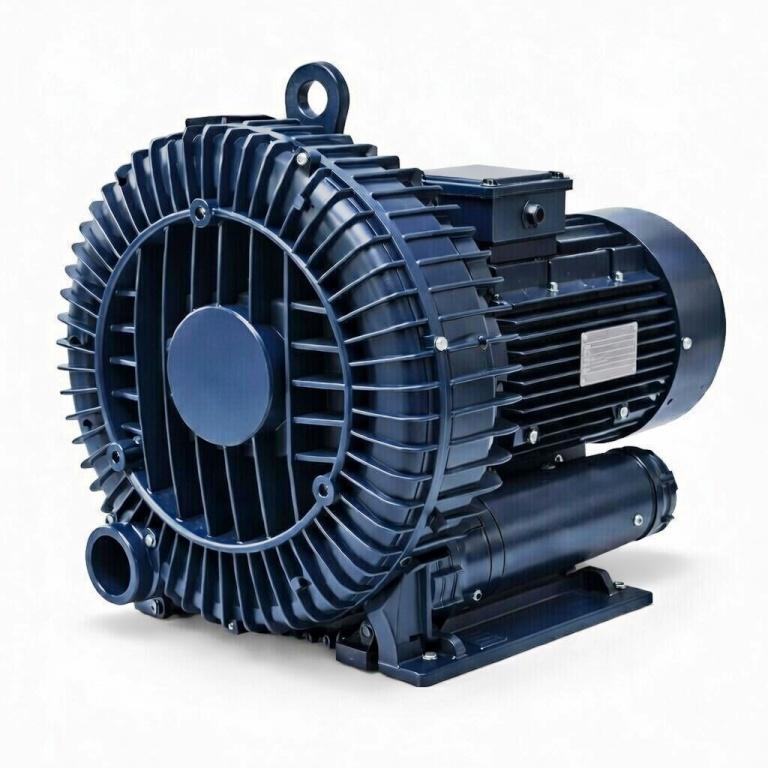
Ring blowers (also known as side channel blowers or regenerative blowers) are already known for relatively quiet operation compared to many traditional blowers. But with proper acoustic engineering, they can be optimised for ultra-low noise performance, making them ideal for clean manufacturing, smart factories, and human-friendly industrial environments.
This blog explains noise engineering and acoustic design in ring blowers in a simple, practical, and industrial-focused way.
Why Noise Is Generated in Ring Blowers
Noise in ring blowers comes from multiple sources:
- High-speed motor rotation
- Air turbulence inside channels
- Impeller blade interaction
- Regenerative airflow circulation
- Mechanical vibration
- Bearing movement
- Structural resonance
- Air exhaust flow
- System resistance
Understanding noise sources is the first step in control.
Core Elements of Noise Engineering
🔹 Aerodynamic Noise Control
This focuses on airflow noise.
Methods:
- Smooth airflow channels
- Optimised impeller geometry
- Reduced turbulence
- Controlled air velocity
- Streamlined channel design
- Flow path optimisation
🔹 Mechanical Noise Control
This focuses on moving parts.
Methods:
- Precision bearings
- Balanced impellers
- Low-friction components
- High-quality motor design
- Precision alignment
- Low-vibration assemblies
🔹 Structural Noise Control
This focuses on vibration transfer.
Methods:
- Rigid housing design
- Vibration isolation mounts
- Anti-resonance structures
- Structural damping
- Reinforced frames
🔹 Acoustic Insulation
This focuses on sound blocking.
Methods:
- Acoustic enclosures
- Sound-absorbing materials
- Noise barrier panels
- Insulated housings
- Acoustic hoods
Acoustic Design Features in Ring Blowers
🔇 Optimised Impeller Design
Reduces air impact noise.
🌬 Smooth Channel Geometry
Minimises turbulence sound.
⚙ Balanced Rotors
Reduces vibration noise.
🧱 Noise-Damping Housing
Absorbs sound energy.
🔩 Anti-Vibration Mounts
Prevents noise transfer to structure.
🧰 Acoustic Hoods
Encapsulate noise sources.
Exhaust Noise Control Systems
High-speed exhaust airflow can be noisy.
Solutions:
- Silencers
- Mufflers
- Diffuses
- Exhaust filters
- Acoustic ducts
Noise Engineering in System Design
Noise is not just machine-based — it is system-based:
- Pipe resonance
- Air duct vibration
- Structural echo
- Installation layout
- Room acoustics
- Reflective surfaces
Good acoustic design includes plant layout planning.
Smart Noise Control Technology
Modern systems use:
- Noise sensors
- Sound monitoring
- Smart diagnostics
- AI noise analysis
- Real-time acoustic control
- Predictive noise alerts
- Digital acoustic mapping
Regulatory Compliance
Noise engineering supports compliance with:
- Occupational safety standards
- Factory noise limits
- Environmental noise laws
- Worker safety regulations
- Industrial safety norms
Applications Where Low Noise Is Critical
- Clean rooms
- Hospitals
- Pharmaceutical plants
- Food processing
- Electronics manufacturing
- Laboratories
- Smart factories
- Urban industrial units
- Packaging plants
- R&D facilities
Business Benefits of Acoustic Design
📈 Higher productivity
🔒 Worker safety
📉 Compliance risk reduction
🛠 Lower maintenance
🏭 Better work environment
⚙ Stable operations
🌱 ESG compliance
📊 Operational efficiency
💼 Brand reputation
Future of Noise Engineering
Future acoustic systems will use:
- AI noise optimisation
- Smart acoustic materials
- Adaptive sound control
- Active noise cancellation
- Digital sound modeling
- Predictive acoustic systems
Conclusion
Noise engineering and acoustic design of ring blowers are not optional features — they are essential for modern industrial operations.
With proper acoustic engineering, ring blowers deliver:
- Ultra-low noise operation
- Worker-friendly environments
- Regulatory compliance
- Stable performance
- Long equipment life
- Sustainable manufacturing
In future factories, machines will not just be powerful —
They will be quiet, intelligent, and human-centered.
Ring blowers, with advanced acoustic design, are leading this transformation.

Leave A Comment