

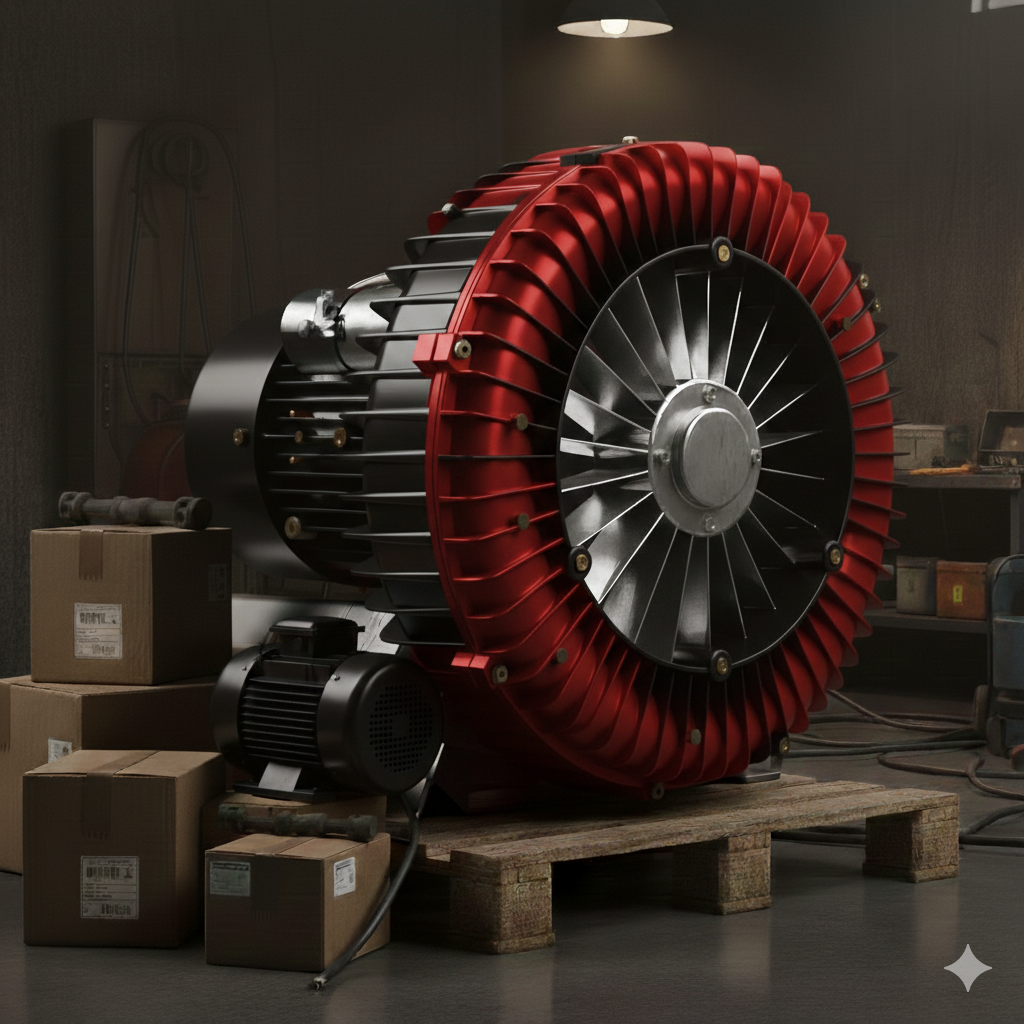
Ring Blowers in Hydrogen Production Systems
Hydrogen is rapidly becoming one of the most important energy sources for the future. As industries move toward clean energy, carbon neutrality, and sustainable production, hydrogen production systems are expanding across the world.
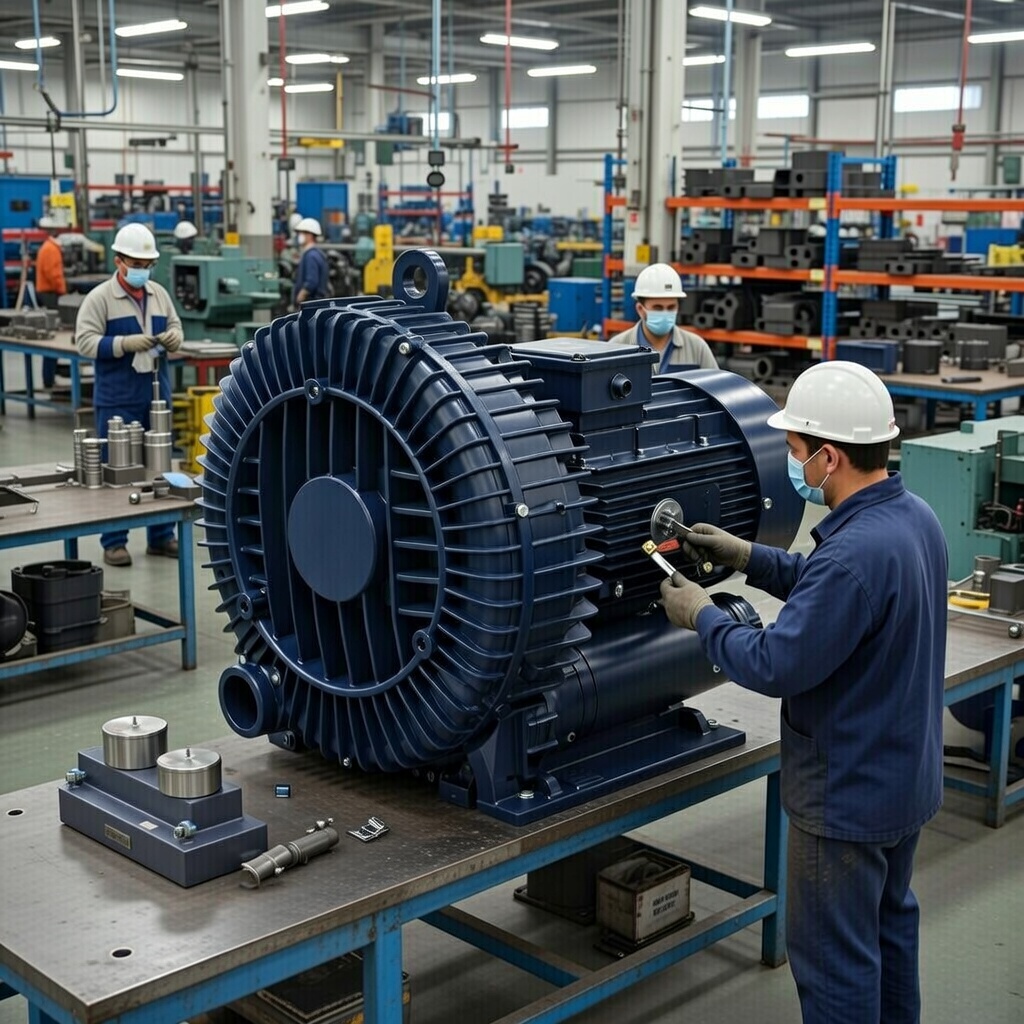
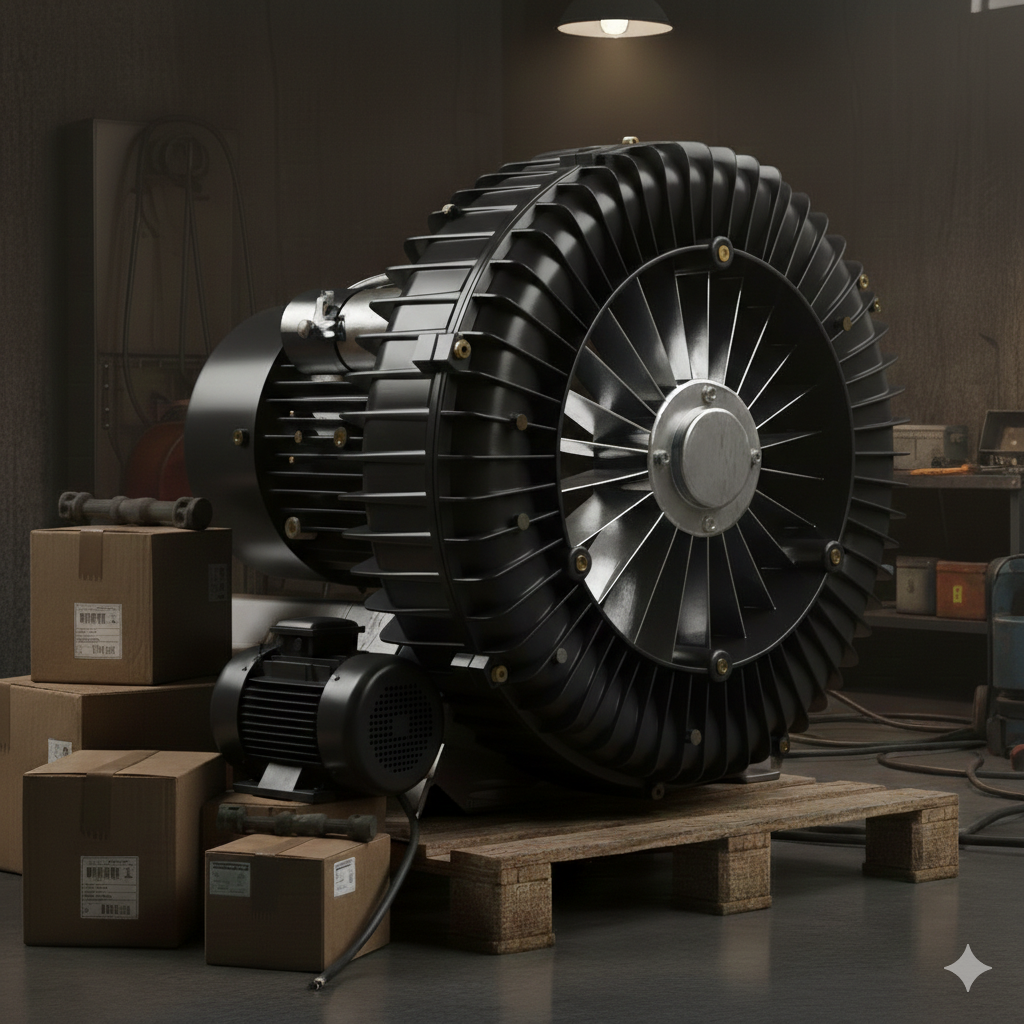
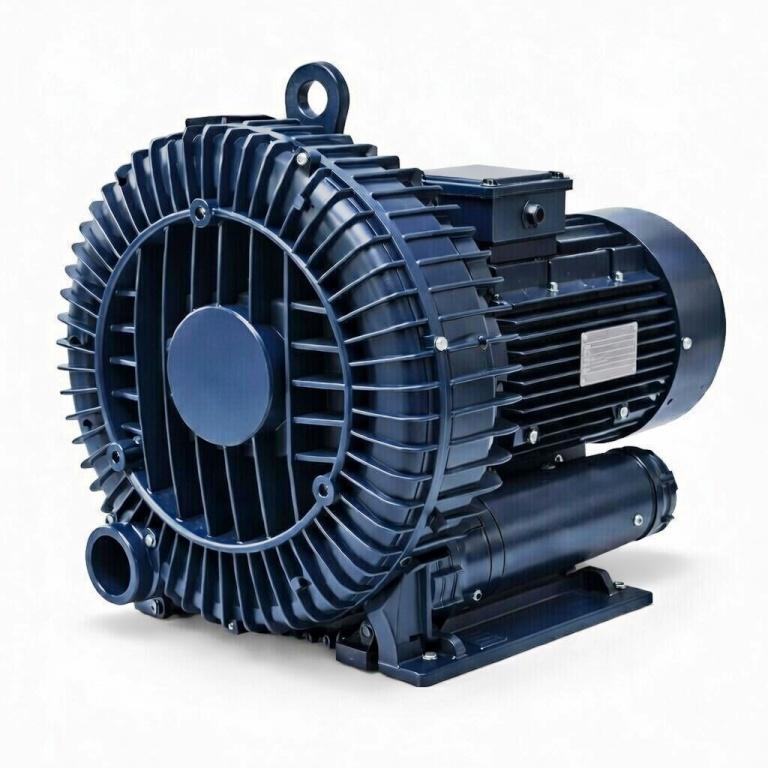
Behind these advanced systems, many supporting technologies work silently — and one of them is the ring blower (side channel / regenerative blower). Ring blowers play a vital role in airflow, gas handling, cooling, circulation, ventilation, and system safety in hydrogen production plants.
This blog explains in a simple way how ring blowers support hydrogen production systems and why they are important for clean energy infrastructure.
Why Hydrogen Production Needs Advanced Support Systems
Hydrogen production plants require:
- Controlled airflow
- Gas circulation systems
- Cooling support
- Ventilation systems
- Pressure management
- Safety ventilation
- Filtration airflow
- Clean air systems
- Reliable continuous operation
Hydrogen systems are sensitive, high-tech environments — stability and reliability are critical.
Role of Ring Blowers in Hydrogen Systems
Ring blowers provide:
- Continuous airflow
- Stable pressure
- Controlled vacuum
- Oil-free clean air
- Energy-efficient operation
- Low maintenance performance
- Compact installation
- Quiet operation
- Long service life
These features make them ideal for hydrogen infrastructure.
Applications of Ring Blowers in Hydrogen Production
🔹 Electrolysis Systems
In hydrogen electrolysis plants, ring blowers support:
- Cooling air circulation
- Heat dissipation
- Ventilation systems
- Gas separation support
- Equipment cooling airflow
- Safe environment control
🔹 Gas Handling & Circulation
Used for:
- Hydrogen gas movement
- Process gas circulation
- Air-gas separation zones
- Controlled flow paths
- Pressure balancing
🔹 Ventilation & Safety Systems
Ring blowers ensure:
- Safe ventilation
- Gas dilution airflow
- Leak dispersion systems
- Explosion risk reduction
- Safe working environments
🔹 Filtration & Purification Systems
Used in:
- Air filtration units
- Gas purification systems
- Clean airflow supply
- Contamination control
🔹 Cooling Systems
Support:
- System cooling
- Equipment temperature control
- Heat management
- Thermal stability
Why Ring Blowers Are Suitable for Hydrogen Plants
🌬 Oil-Free Operation
Prevents contamination in clean energy systems.
⚡ Energy Efficiency
Supports low-carbon energy production goals.
🔁 Continuous Duty Performance
Supports 24/7 hydrogen production.
🔇 Low Noise Operation
Improves plant working environment.
🧠 Smart Control Compatibility
Supports automation and smart plant integration.
🛠 Low Maintenance
Improves uptime and reliability.
🔒 Safety Compatibility
Supports safety ventilation and pressure control systems.
System Design Benefits
Ring blowers help design:
- Compact hydrogen plants
- Modular production units
- Scalable energy systems
- Smart energy infrastructure
- Digital hydrogen systems
- Automated plants
- Sustainable production layouts
Energy Efficiency & Sustainability Impact
Ring blowers contribute to:
- Lower energy consumption
- Lower operational emissions
- Reduced carbon footprint
- Sustainable hydrogen production
- Clean energy ecosystems
- Net-zero goals
- ESG compliance
Future Role in Hydrogen Economy
As hydrogen infrastructure grows, ring blowers will support:
- Green hydrogen plants
- Blue hydrogen facilities
- Hydrogen fueling stations
- Hydrogen storage systems
- Hydrogen pipelines
- Smart hydrogen grids
- Renewable energy integration
- Energy storage ecosystems
Business & Industrial Benefits
📈 Reliable production
📉 Lower operating cost
🌱 Clean energy support
⚙ System stability
🔁 Continuous operation
🔒 Safety compliance
📊 Energy efficiency
🏭 Infrastructure reliability
🌍 Sustainability alignment
Conclusion
Ring blowers are silent enablers of the hydrogen revolution.
They support hydrogen production systems by providing:
- Clean airflow
- Stable pressure
- Reliable ventilation
- Safe gas handling
- Energy efficiency
- System stability
- Automation readiness
- Sustainable operation
Hydrogen may be the fuel of the future —
But behind every hydrogen plant will be smart industrial systems.
And ring blowers will be one of the technologies powering this clean energy future.

Leave A Comment