

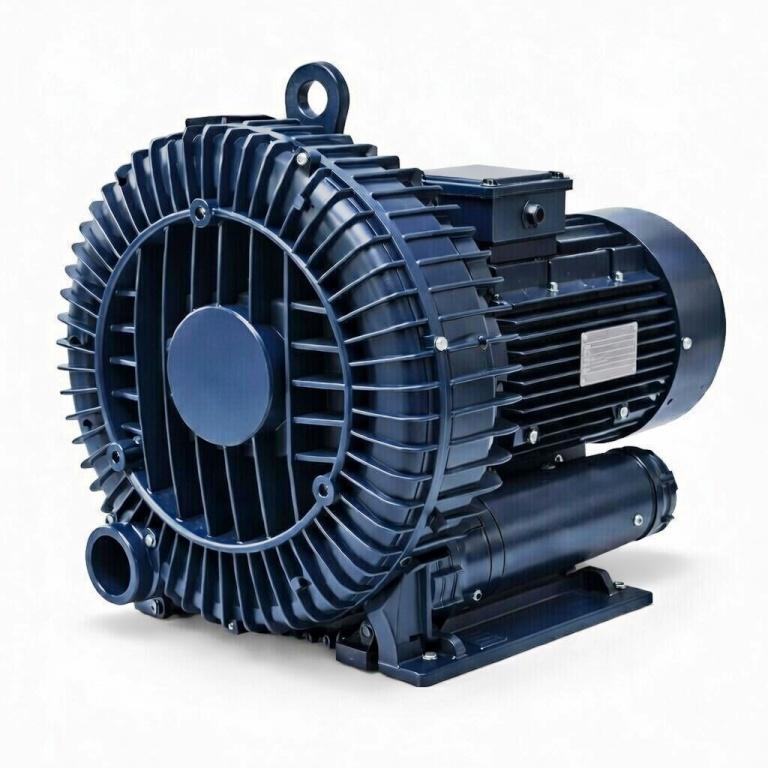
Thermal Management in High-Speed Ring Blowers
High-speed ring blowers are powerful industrial air systems designed for continuous-duty performance. As speed and performance increase, heat generation becomes a critical factor that directly affects efficiency, reliability, safety, and machine life. This is where thermal management plays a vital role.
Thermal management is not just about cooling — it is about controlling temperature to protect components, maintain performance stability, and ensure long-term operational reliability.
This blog explains thermal management in high-speed ring blowers in a simple, practical, and industrial-focused way.
Why Heat Is Generated in High-Speed Ring Blowers
Heat generation is a natural result of:
- High-speed motor rotation
- Air friction inside channels
- Impeller air acceleration
- Regenerative airflow cycles
- Electrical losses in motors
- Mechanical friction
- System resistance
- Pressure and vacuum loads
As speed increases, energy loss converts into heat.
Why Thermal Management Is Critical
Poor thermal control can cause:
- Performance loss
- Efficiency reduction
- Motor overheating
- Bearing failure
- Insulation damage
- Material deformation
- Lubrication breakdown
- Increased noise
- Vibration issues
- Early equipment failure
Good thermal management prevents these problems.
Core Elements of Thermal Management
🔹 Air Cooling Design
Ring blowers use air-based cooling systems:
- Internal airflow cooling
- External ventilation
- Motor cooling fans
- Housing airflow channels
Air itself becomes the cooling medium.
🔹 Heat Dissipation Structure
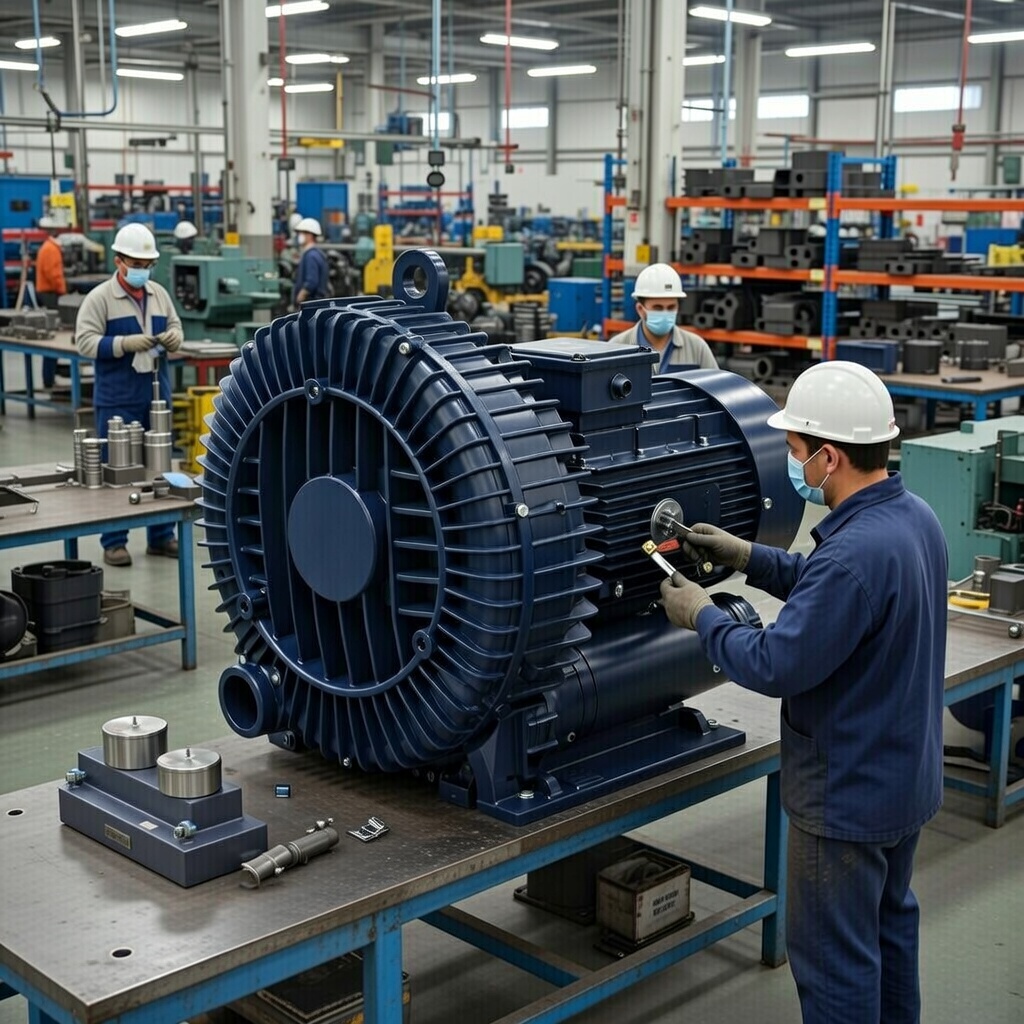
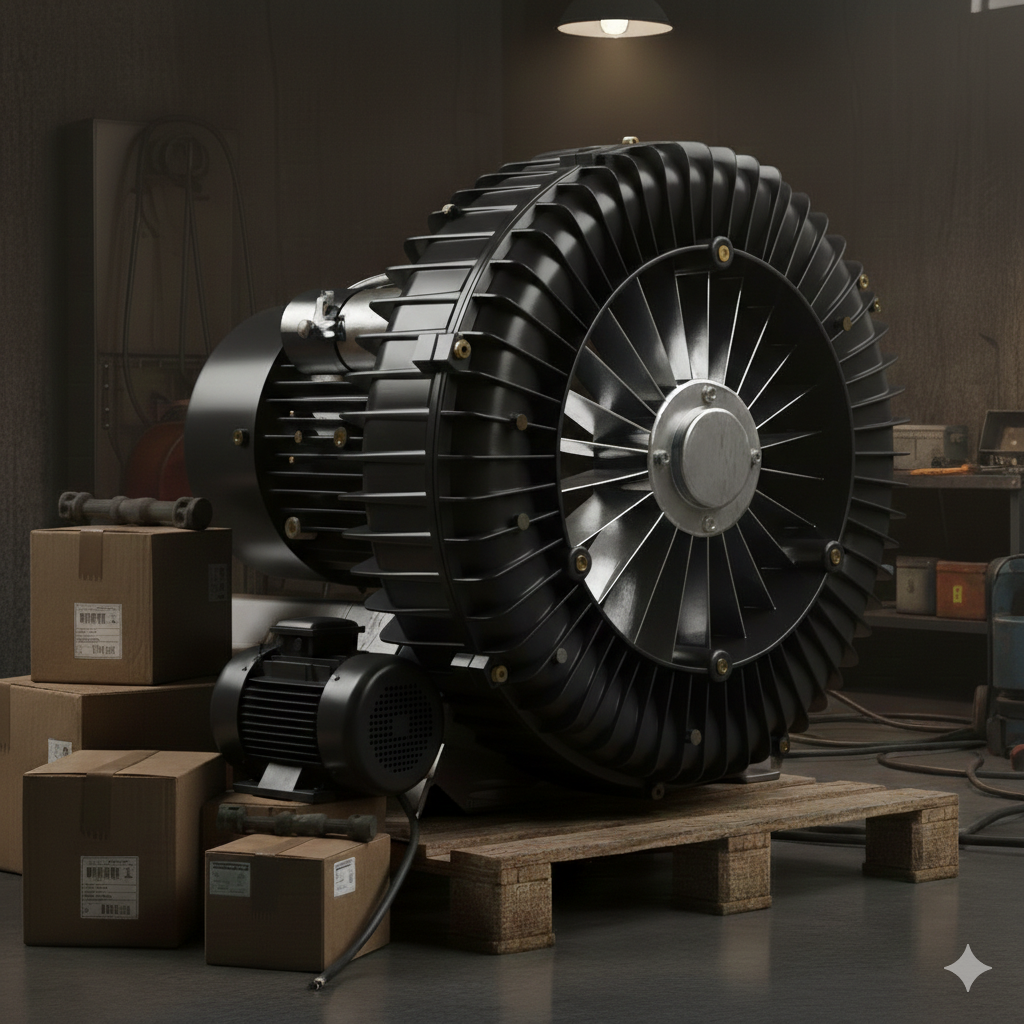
Blower housings are designed to:
- Transfer heat outward
- Increase surface area
- Improve thermal radiation
- Enhance natural cooling
- Prevent heat trapping
🔹 Impeller Thermal Control
Impeller design reduces:
- Turbulence
- Air friction
- Heat buildup
- Energy loss
Optimised impeller geometry = less heat.
🔹 Motor Thermal Protection
High-speed motors include:
- Thermal sensors
- Temperature cutoffs
- Insulation protection
- Overload protection
- Thermal class design
Cooling Mechanisms in Ring Blowers
🌬 Self-Cooling Airflow
Air moving through the blower absorbs and carries heat away.
🔄 Forced Ventilation
Motor fans push air across heat zones.
🌡 Thermal Conduction
Heat moves from hot parts to cooler surfaces.
🌍 Heat Radiation
Heat dissipates into the surrounding air.
High-Speed Operation Challenges
High-speed ring blowers face:
- Higher temperature rise
- Continuous duty heat accumulation
- Limited cooling time
- Heavy airflow resistance
- High system load
- Environmental heat exposure
Thermal design must handle continuous heat cycles.
Design Features for Thermal Control
🔹 Heat-resistant materials
🔹 High-quality insulation
🔹 Optimised airflow channels
🔹 Precision bearings
🔹 Low-friction components
🔹 Ventilated housings
🔹 Thermal coatings
🔹 Temperature sensors
🔹 Smart controllers
System-Level Thermal Management
Thermal control is not only inside the blower — the installation system matters:
- Proper ventilation in plant room
- Ambient temperature control
- Free airflow around machine
- Proper mounting position
- Avoid heat trapping spaces
- Adequate spacing
- Good exhaust flow design
Bad installation = overheating risk.
Thermal Management for Pressure vs Vacuum Modes
Pressure Mode:
- Higher outlet temperature
- Pressure load heating
- Air compression heating
Vacuum Mode:
- Suction friction heating
- Motor load heating
- Air movement heating
Both modes need optimised cooling.
Smart Thermal Management Systems
Modern high-speed ring blowers support:
- Temperature sensors
- Real-time monitoring
- Thermal alarms
- Smart controllers
- IoT dashboards
- Predictive maintenance
- Auto shutdown protection
- Load-based cooling control
This creates intelligent thermal safety.
Energy Efficiency and Heat Control
Better thermal management means:
- Less energy loss
- Lower power consumption
- Higher efficiency
- Stable performance
- Reduced cooling cost
- Longer motor life
- Lower maintenance cost
Heat control = cost control.
Industrial Applications Where Thermal Control Is Critical
- Pneumatic conveying
- Wastewater treatment
- Central vacuum systems
- Packaging lines
- Continuous manufacturing
- Food processing
- Electronics manufacturing
- Cement plants
- Printing industry
- Automated factories
Business Benefits of Thermal Optimisation
📈 Higher productivity
📉 Lower operating costs
🛠 Reduced maintenance
🔁 Continuous operation
⚙ Stable performance
🏭 Long machine life
🌱 Energy efficiency
🔒 Operational safety
📊 Process reliability
Future of Thermal Management
Future systems will use:
- AI-based temperature control
- Smart cooling systems
- Adaptive thermal regulation
- Digital twins
- Self-learning thermal models
- Intelligent ventilation
- Autonomous protection systems
Thermal management will become predictive, not reactive.
Conclusion
Thermal management in high-speed ring blowers is essential for building reliable, efficient, and long-lasting industrial air systems.
Heat is not just a byproduct — it is a design challenge that must be controlled through:
- Smart engineering
- Optimised airflow
- Efficient cooling
- Intelligent monitoring
- System-level planning
When thermal management is done right, ring blowers deliver:
- Stable performance
- Continuous operation
- Energy efficiency
- Long service life
- Operational safety
- Sustainable production
In modern industry, managing heat means protecting performance.
And in high-speed ring blowers, thermal control is the key to reliability.

Leave A Comment