

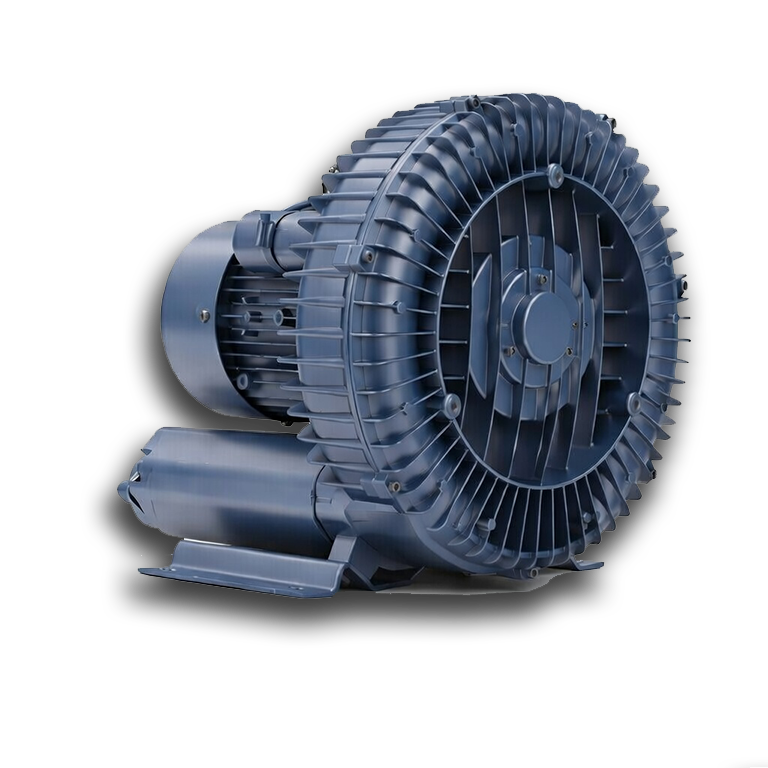
Acoustic Engineering for Low-Noise Blowers
Introduction
Noise pollution has become a critical concern in modern industrial environments. As factories move toward smart manufacturing, ESG compliance, and worker-centric plant design, acoustic performance is now a key engineering parameter in blower system design.
Acoustic engineering for low-noise blowers focuses on reducing sound generation at the source, controlling vibration transmission, optimizing airflow dynamics, and managing noise propagation through intelligent system design.
This guide provides a professional engineering framework for designing and implementing low-noise industrial blower systems using acoustic engineering principles.
Understanding Noise in Blower Systems
Noise in blower systems originates from:
- Aerodynamic turbulence
- Mechanical vibration
- Motor noise
- Bearing noise
- Structural resonance
- Duct airflow noise
- Pressure pulsations
Effective acoustic engineering targets all noise sources, not just the blower unit.
Types of Industrial Noise
1. Airborne Noise
Sound transmitted through air via airflow and exhaust.
2. Structure-Borne Noise
Vibration transmitted through foundations, frames, and piping.
3. Mechanical Noise
Noise generated by rotating components, bearings, and motors.
Core Principles of Acoustic Engineering
Source Control
- Low-noise impeller design
- Balanced rotors
- Precision bearings
- Low-turbulence airflow paths
Path Control
- Acoustic enclosures
- Sound barriers
- Insulated ducts
- Silencers
Receiver Control
- Plant layout design
- Distance attenuation
- Operator isolation
Low-Noise Blower Design Technologies
Aerodynamic Optimization
- CFD-based airflow design
- Low-turbulence impellers
- Optimized inlet/outlet geometry
Mechanical Precision Engineering
- Dynamic balancing
- High-quality bearings
- Precision shaft alignment
- Vibration damping materials
Structural Design
- Rigid casing construction
- Anti-resonance design
- Acoustic insulation layers
Acoustic Components in Blower Systems
Acoustic Enclosures
- Multi-layer insulation
- Sound-absorbing materials
- Ventilated acoustic panels
Silencers / Mufflers
- Inlet silencers
- Outlet silencers
- Reactive silencers
- Absorptive silencers
Vibration Isolation Systems
- Anti-vibration pads
- Spring isolators
- Flexible couplings
- Expansion joints
System-Level Noise Control Strategy
Low-noise systems require:
- Optimized duct routing
- Smooth airflow transitions
- Proper diffuser design
- Low-resistance filters
- Balanced airflow distribution
Noise Standards & Compliance
Industrial blower systems must comply with:
- Occupational noise regulations
- Factory noise norms
- Environmental noise standards
- Worker safety guidelines
- ESG compliance frameworks
Applications Requiring Low-Noise Blowers
- Pharmaceutical manufacturing
- Food processing plants
- Textile industries
- Electronics manufacturing
- Hospitals and laboratories
- Commercial buildings
- Research facilities
- Cleanroom environments
Energy Efficiency & Noise Optimization
Acoustic engineering and energy efficiency are interconnected:
- Reduced turbulence = lower energy loss
- Optimized airflow = lower power consumption
- Efficient motors = lower noise generation
- Smart controls = stable operations
Industry 4.0 & Smart Acoustic Monitoring
Modern systems integrate:
- Noise sensors
- Vibration sensors
- AI-based diagnostics
- Predictive maintenance
- Real-time acoustic monitoring
ESG & Sustainable Manufacturing
Low-noise blower systems support:
- Worker wellbeing
- Safe work environments
- Regulatory compliance
- Green factory design
- Sustainable manufacturing goals
Engineering Design Checklist
✔ Noise source analysis
✔ Acoustic simulation
✔ Vibration control design
✔ Duct acoustic design
✔ Enclosure planning
✔ Silencer integration
✔ Foundation design
✔ Compliance verification
✔ Smart monitoring integration
Conclusion
Acoustic engineering transforms industrial blower systems from basic airflow machines into intelligent, low-noise, sustainable infrastructure components.
By integrating aerodynamic optimization, mechanical precision, vibration control, and system-level acoustic planning, manufacturers can achieve:
- Ultra-low noise operation
- High energy efficiency
- Worker safety
- ESG compliance
- Smart factory readiness
Low-noise blowers are no longer optional — they are a core requirement of modern industrial engineering.

Leave A Comment