

Blower Applications in Textile Processing Plants
Introduction
The textile industry is one of the most process-intensive manufacturing sectors, involving multiple stages such as spinning, weaving, dyeing, printing, finishing, and garment production. Each of these stages requires controlled airflow, pressure, vacuum, drying, cooling, and environmental management.
Industrial blowers play a vital role in maintaining process efficiency, product quality, worker safety, and environmental compliance in textile processing plants. From fiber handling to fabric finishing, blowers are an essential backbone of modern textile infrastructure.
This guide explores the key blower applications in textile processing plants, their benefits, technologies, and their role in building sustainable and smart textile manufacturing systems.
Importance of Airflow Systems in Textile Manufacturing
Textile processing requires:
- Clean air circulation
- Dust and lint control
- Controlled humidity
- Process cooling
- Efficient drying
- Material transport
- Pollution control
Blower systems enable stable and controlled airflow across the entire textile production chain.
Major Blower Applications in Textile Processing Plants
1. Fiber & Lint Extraction Systems
Blowers are used for:
- Cotton fiber transport
- Lint extraction
- Dust removal
- Cleaning processes
Ensures clean production environments and machine protection.
2. Pneumatic Conveying of Fibers and Yarn
Used for:
- Fiber transport
- Yarn movement
- Waste fiber collection
- Automated material handling
Improves automation and reduces manual handling.
3. Spinning & Weaving Section Applications
Supports:
- Machine cooling
- Dust extraction
- Ventilation systems
- Process airflow
Improves machine efficiency and operational stability.
4. Dyeing & Processing Units
Blowers are used for:
- Air agitation
- Drying processes
- Steam removal
- Exhaust ventilation
Ensures uniform processing and safe working conditions.
5. Fabric Drying & Finishing
Used in:
- Fabric dryers
- Heat setting machines
- Stenters
- Finishing lines
Provides controlled and uniform airflow for quality finishing.
6. Printing & Coating Lines
Blowers support:
- Ink drying
- Coating drying
- Ventilation
- Fume extraction
Improves print quality and safety.
7. Effluent Treatment Plants (ETP)
Textile plants use blowers for:
- Aeration systems
- Biological treatment
- Sludge drying
- Odor control
Supports environmental compliance.
8. HVAC & Climate Control Systems
Blowers are used in:
- Plant ventilation
- Humidity control
- Temperature management
- Clean room environments
Improves working conditions and process stability.
Types of Blowers Used in Textile Plants
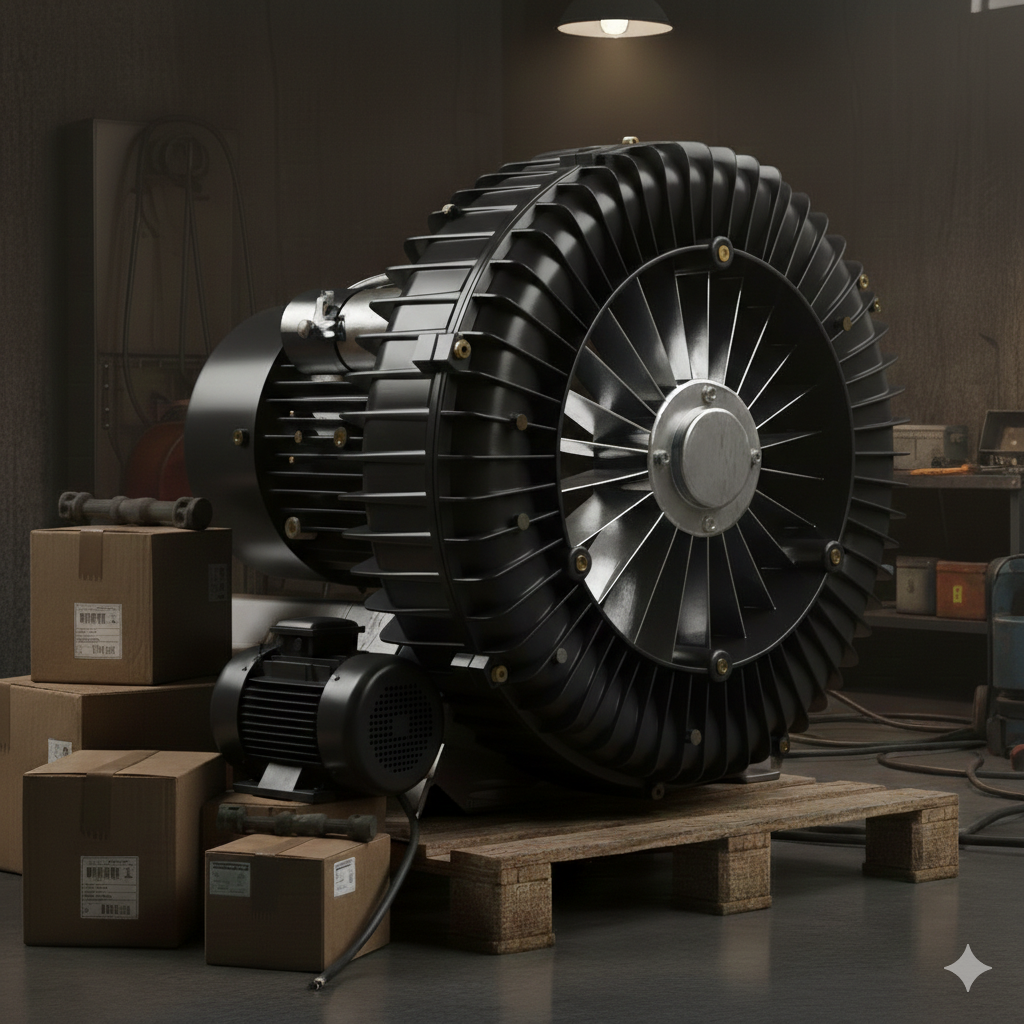
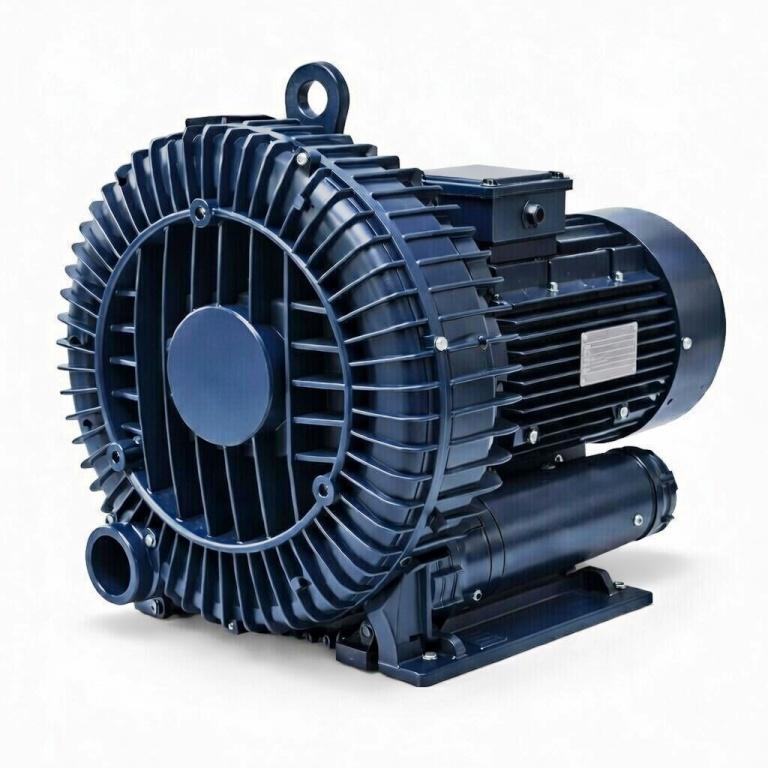
Side Channel (Ring/Regenerative) Blowers
- Oil-free
- Low noise
- Energy efficient
- Suitable for automation and clean processes
Roots Blowers
- High airflow
- Heavy-duty applications
- Centralised systems
Centrifugal Blowers
- High volume airflow
- HVAC and drying applications
Benefits of Blower Systems in Textile Processing
- Improved Product Quality
- Dust-Free Production Environment
- Enhanced Worker Safety
- Higher Process Efficiency
- Energy Optimization
- Environmental Compliance
- Automation Support
- Lower Operational Costs
Energy Efficiency in Textile Blower Systems
Modern textile plants use:
- High-efficiency motors
- VFD controls
- Smart airflow management
- Optimized duct design
Reducing energy consumption and operating costs.
Smart Textile Manufacturing & Industry 4.0
Blower systems integrate with:
- IoT platforms
- Smart sensors
- Digital dashboards
- Predictive maintenance systems
- AI-based process optimization
Enabling smart textile factories.
ESG & Sustainable Textile Manufacturing
Blower-based systems support:
- Clean production
- Water conservation
- Energy efficiency
- Pollution reduction
- Carbon footprint reduction
- Sustainable textile production
How to Choose the Right Blower for Textile Applications
Selection Criteria:
- Process requirement
- Airflow and pressure
- Energy efficiency
- Noise level
- Continuous duty rating
- Environmental conditions
- Maintenance support
- Automation compatibility
- System scalability
Why Modern Textile Plants Invest in Advanced Blower Systems
Textile manufacturers invest in advanced blower systems because they deliver:
- Process reliability
- Consistent quality
- Sustainable operations
- Regulatory compliance
- Long-term cost savings
- Smart factory readiness
Conclusion
Industrial blowers are a foundational component of textile processing plants. From raw fiber handling to fabric finishing and environmental management, blower systems enable efficiency, quality, sustainability, and automation.
As the textile industry moves toward smart manufacturing, green production, and ESG compliance, advanced blower technology will continue to play a central role in shaping the future of textile processing plants.

Leave A Comment