

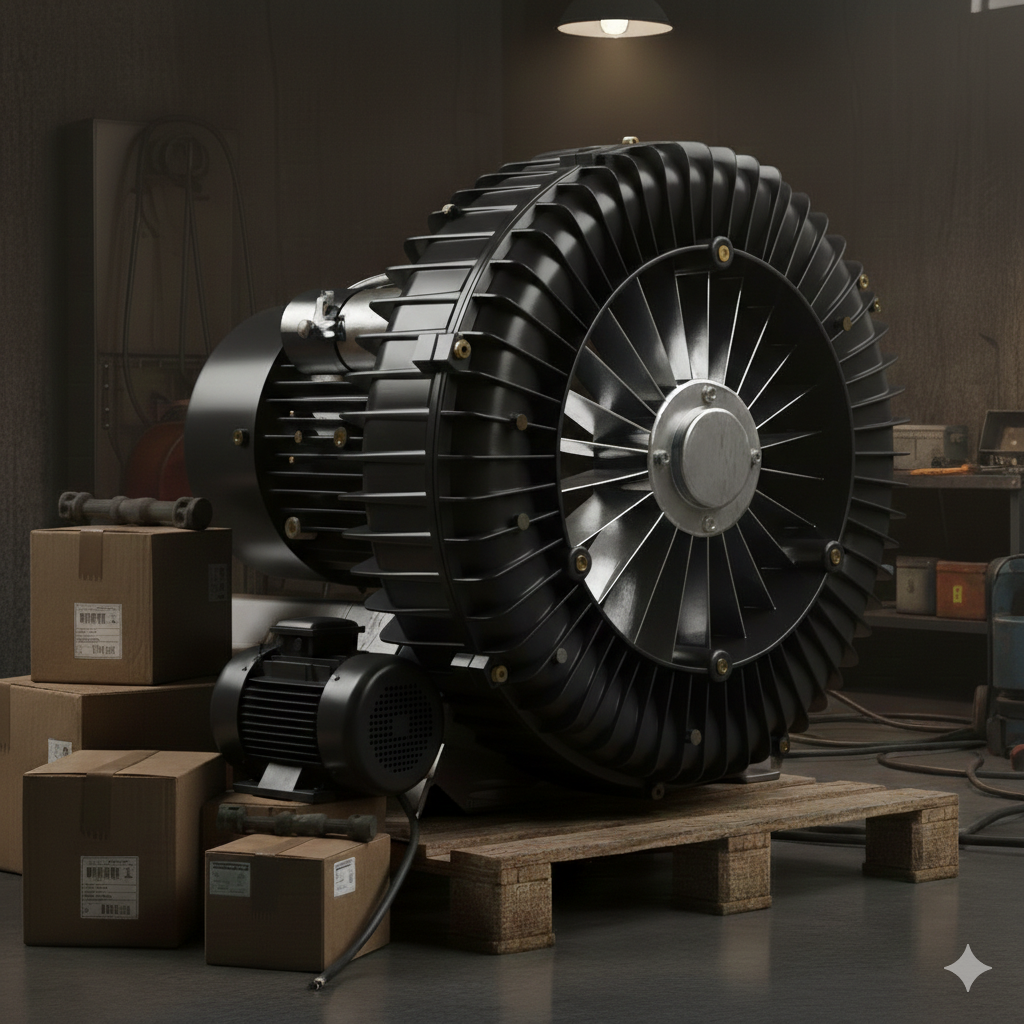
Blowers for Aquaculture & Fish Farming Aeration Systems
Introduction
Aquaculture and fish farming have become vital components of global food security and sustainable protein production. As fish farming shifts from traditional pond systems to intensive, technology-driven aquaculture, aeration and oxygen management have become critical success factors.
At the heart of efficient aeration systems are industrial blowers, which supply consistent airflow and dissolved oxygen to water bodies. High-performance blowers ensure healthy fish growth, disease prevention, water quality stability, and higher production yields.
This guide explains the role of blowers in aquaculture and fish farming aeration systems, their applications, benefits, technologies, and how to choose the right blower for modern aquaculture operations.
Importance of Aeration in Aquaculture
Aeration is essential for:
- Maintaining dissolved oxygen (DO) levels
- Preventing fish stress and mortality
- Improving feed conversion ratios (FCR)
- Supporting microbial balance
- Preventing ammonia and toxin buildup
- Enhancing growth rates
- Maintaining water circulation
Without proper aeration, fish farms face:
- Low survival rates
- Poor growth performance
- Disease outbreaks
- Water quality degradation
- Economic losses
Role of Blowers in Fish Farming Aeration Systems
Blowers generate continuous airflow that is distributed through:
- Diffusers
- Aeration grids
- Air stones
- Aeration pipes
- Oxygen distribution systems
They support:
- Pond aeration
- Tank aeration
- Raceway systems
- Biofloc systems
- RAS (Recirculating Aquaculture Systems)
- Hatchery aeration
Types of Blowers Used in Aquaculture
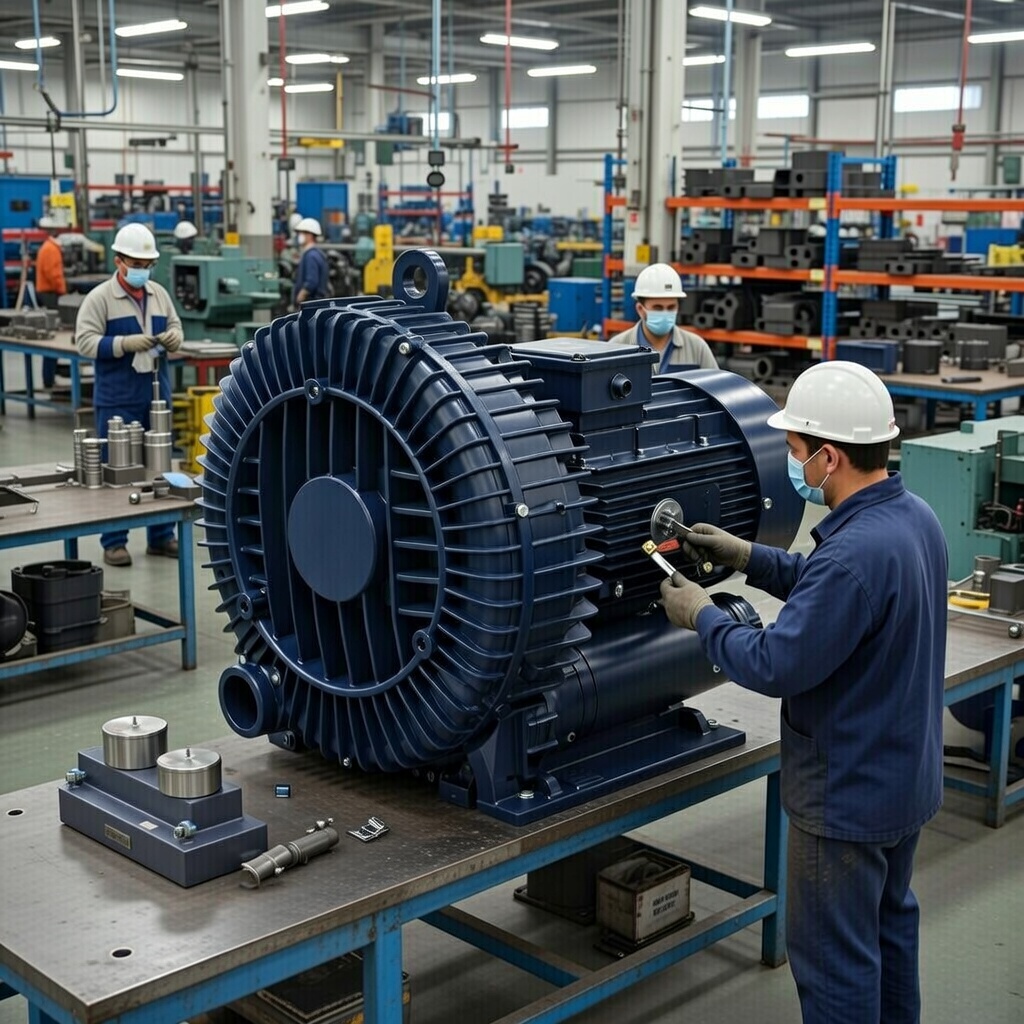
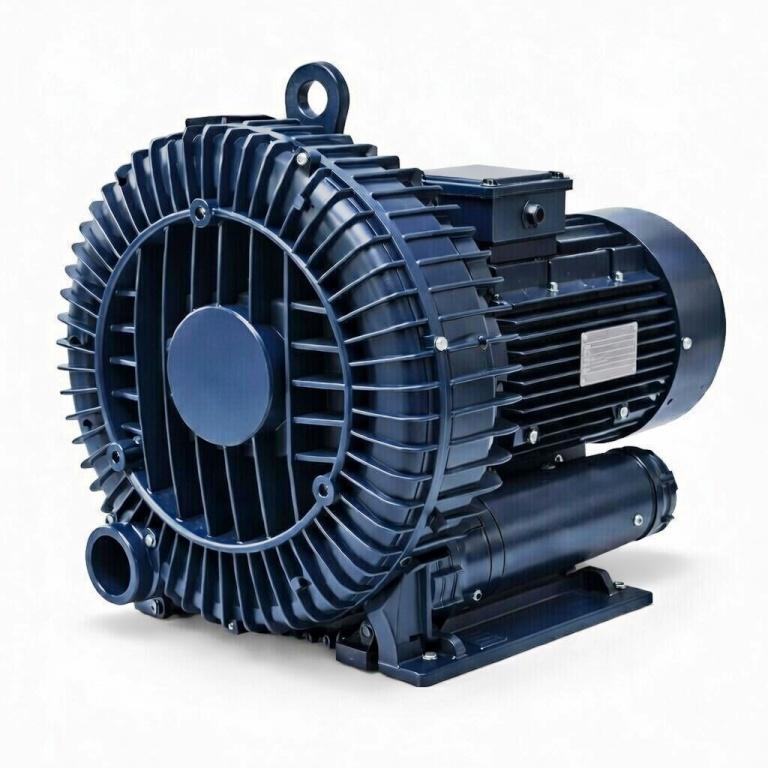
1. Side Channel (Ring / Regenerative) Blowers
- Oil-free operation
- Continuous airflow
- Low maintenance
- Energy efficient
- Ideal for RAS, hatcheries, biofloc systems
2. Roots Blowers
- High airflow capacity
- Robust construction
- Suitable for large ponds and commercial farms
3. Centrifugal Blowers
- High volume airflow
- Suitable for large-scale aeration systems
Key Applications in Aquaculture
1. Pond Aeration
Ensures oxygen supply in earthen ponds and lined ponds.
2. Tank Aeration
Used in hatcheries, nurseries, and indoor fish farms.
3. RAS (Recirculating Aquaculture Systems)
Critical for oxygenation and biofilter performance.
4. Biofloc Systems
Maintains microbial balance and oxygen levels.
5. Hatchery Operations
Supports larval survival and growth.
6. Shrimp Farming
Maintains oxygen levels and water circulation.
Benefits of Using Industrial Blowers in Fish Farming
- Stable Dissolved Oxygen Levels
- Improved Fish Health
- Higher Survival Rates
- Better Growth Performance
- Disease Prevention
- Energy Efficiency
- Low Maintenance
- Continuous Operation
- Scalable Systems
Energy Efficiency in Aquaculture Aeration
Modern blower systems use:
- High-efficiency motors
- VFD controls
- Optimized impeller designs
- Smart automation
This reduces:
- Power consumption
- Operational costs
- Carbon footprint
Smart Aquaculture & Digital Integration
Blower systems integrate with:
- IoT sensors
- DO monitoring systems
- Smart controllers
- Remote monitoring platforms
- AI-based farm management
Enabling:
- Automated oxygen control
- Predictive maintenance
- Energy optimization
- Real-time system monitoring
ESG & Sustainable Aquaculture Impact
Blower-based aeration systems support:
- Sustainable fish production
- Water resource conservation
- Low-energy aquaculture
- Eco-friendly farming models
- Climate-resilient aquaculture
How to Choose the Right Blower for Fish Farming
Selection Criteria:
- Pond/tank size
- Stocking density
- Oxygen demand
- Airflow requirement
- Energy efficiency
- Noise levels
- Continuous duty rating
- Environmental conditions
- System scalability
- Maintenance support
Why Modern Fish Farms Prefer Advanced Blower Systems
Fish farmers prefer advanced blower systems because they deliver:
- Reliable oxygen supply
- Consistent water quality
- Lower mortality rates
- Higher productivity
- Sustainable operations
- Lower long-term costs
- Automation readiness
Conclusion
Blowers play a foundational role in aquaculture and fish farming aeration systems. As the industry moves toward intensive farming, smart aquaculture, and sustainable production, advanced blower technology has become essential infrastructure.
With the right blower system, fish farms can achieve better productivity, healthier fish stocks, improved profitability, and long-term sustainability—making aeration technology a strategic investment, not just an operational requirement.

Leave A Comment