

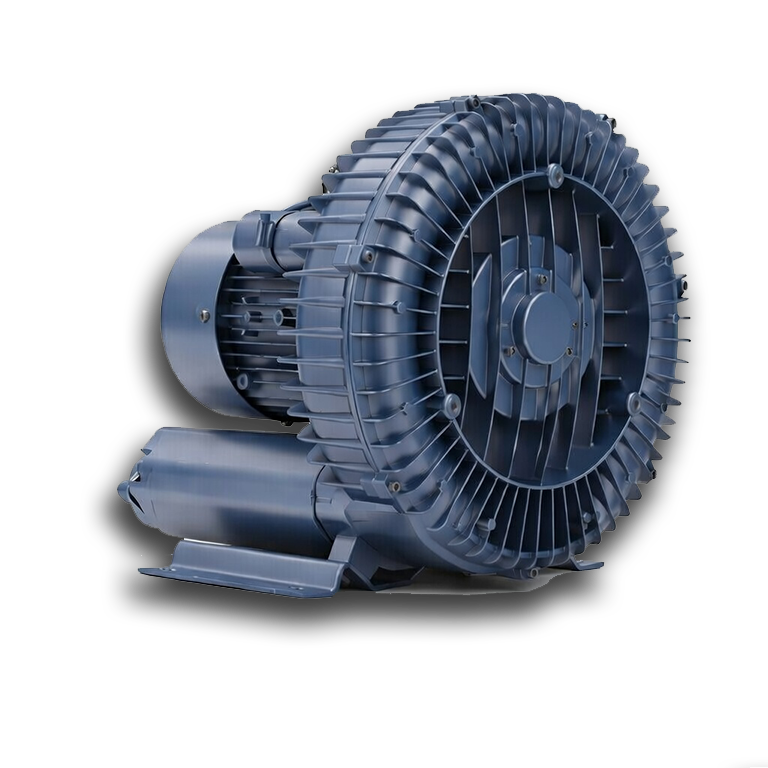
Oil-Free Blowers in Modern Manufacturing Plants
Introduction
Modern manufacturing plants are rapidly transforming with a strong focus on efficiency, automation, sustainability, and quality control. Clean production environments, energy efficiency, and regulatory compliance are no longer optional—they are essential. In this transformation, oil-free blower technology has emerged as a critical infrastructure component.
Oil-free blowers provide clean, contamination-free airflow for industrial processes without the use of lubricating oil in compression chambers. This makes them ideal for industries where air purity, hygiene, and environmental responsibility are paramount.
From smart factories to sustainable manufacturing ecosystems, oil-free blowers are now at the core of modern industrial operations.
What Are Oil-Free Blowers?
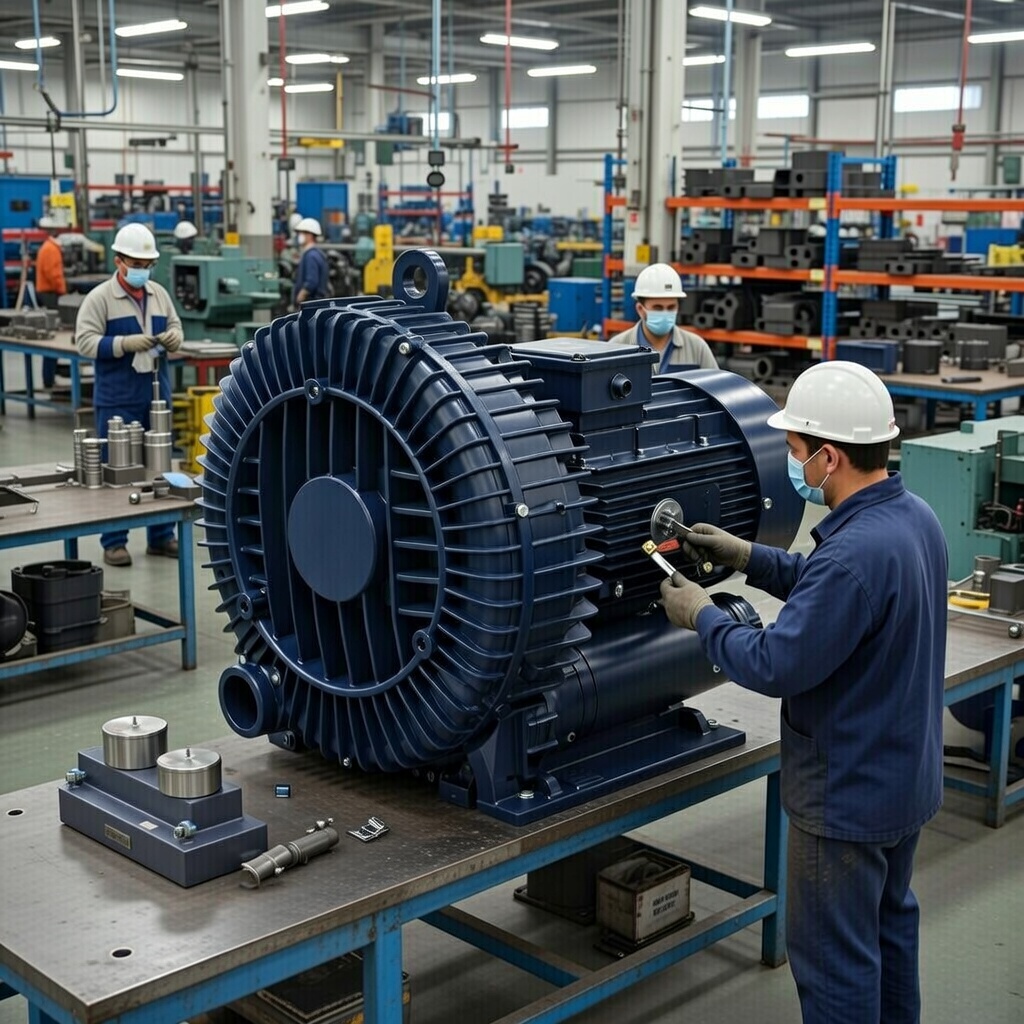
Oil-free blowers are industrial air machines designed to generate pressure or vacuum without using oil in the air compression path. Instead, they use advanced engineering designs such as:
- Contactless impeller systems
- Regenerative air movement
- Non-lubricated compression chambers
- Advanced bearing and sealing technologies
Common oil-free blower technologies include:
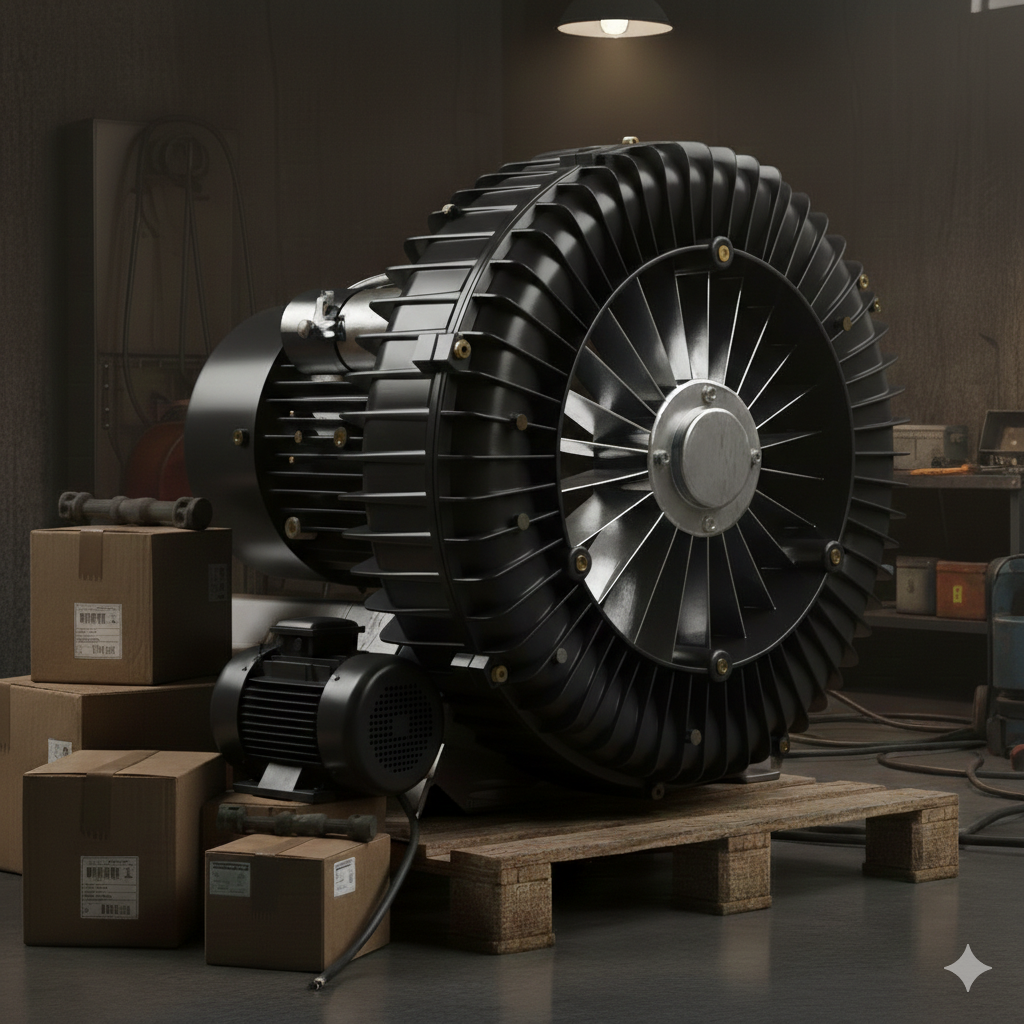
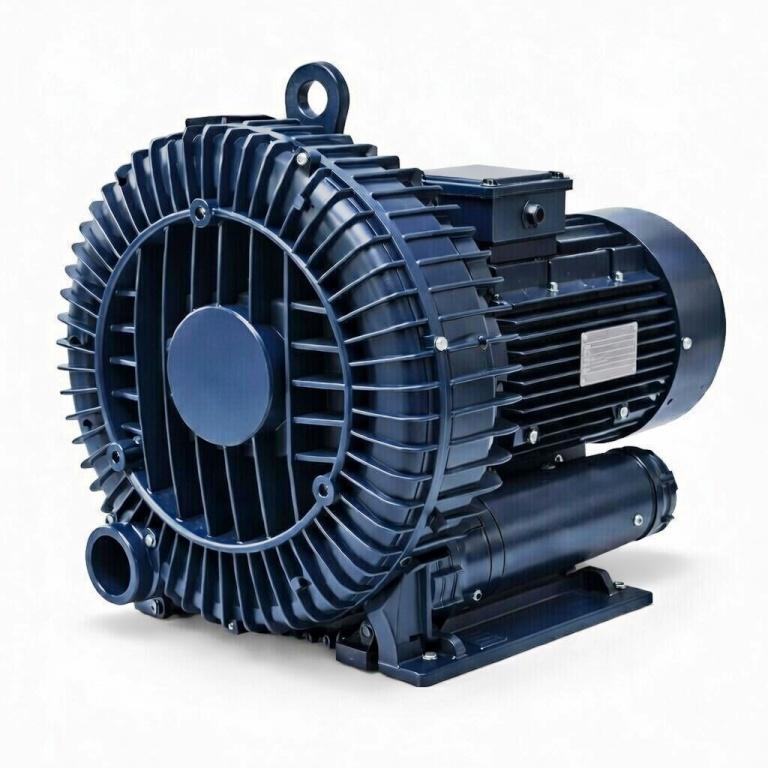
- Side channel blowers (Ring / regenerative / ring blowers)
- High-efficiency centrifugal blowers
- Dry screw blowers
- Oil-free roots blowers
Why Oil-Free Air Matters in Manufacturing
1. Product Quality Assurance
Contaminated air can compromise product quality, especially in:
- Food processing
- Pharmaceuticals
- Electronics manufacturing
- Medical device production
- Packaging industries
Oil-free air ensures purity, safety, and compliance.
2. Regulatory & Compliance Requirements
Industries must comply with:
- Environmental regulations
- Food safety standards
- Pharmaceutical GMP standards
- Clean na ka kiat room certifications
- Industrial safety norms
Oil-free blowers help manufacturers meet these regulations.
3. Sustainability & ESG Goals
Oil-free technology supports:
- Carbon footprint reduction
- Eco-friendly operations
- Clean manufacturing
- Waste reduction
- Sustainable production models
Applications of Oil-Free Blowers in Manufacturing Plants
1. Pneumatic Conveying Systems
Used for transporting powders, granules, and materials in enclosed systems without contamination.
2. Vacuum Systems & Automation
Used in:
- Pick-and-place robots
- Automated packaging
- Product handling systems
- Robotic gripping
3. Aeration & Wastewater Treatment
Used for:
- Effluent treatment plants
- Biological aeration
- Sludge processing
- Odor control systems
4. Dust Extraction & Filtration
Supports:
- Dust collectors
- Air filtration units
- Fume extraction systems
- Pollution control equipment
5. Drying & Cooling Processes
Used in:
- Injection molding
- Textile processing
- Printing industries
- Electronics cooling
6. Food & Beverage Manufacturing
Applications include:
- Ingredient conveying
- Vacuum packaging
- Product drying
- Hygiene cleaning
7. Pharmaceutical & Medical Manufacturing
Used in:
- Cleanroom environments
- Tablet and capsule handling
- Powder processing
- Medical device assembly
Benefits of Oil-Free Blowers
- Clean Airflow – Zero oil contamination
- Low Maintenance – No oil changes, no filters for oil separation
- High Reliability – Continuous operation capability
- Energy Efficiency – Optimized airflow systems
- Long Equipment Life – Reduced mechanical wear
- Low Noise Operation – Improved working environments
- Lower Operating Costs – Reduced downtime and maintenance
Oil-Free Blowers in Smart Manufacturing (Industry 4.0)
Oil-free blower systems integrate with:
- IoT platforms
- Smart sensors
- Digital control systems
- VFD drives
- Predictive maintenance tools
Enabling:
- Energy optimization
- Remote monitoring
- System diagnostics
- Performance analytics
- Smart factory automation
ESG & Sustainable Manufacturing Impact
Oil-free blower systems contribute to:
- Sustainable production
- Environmental protection
- Clean air manufacturing
- Energy conservation
- Circular economy models
- Reduced industrial pollution
How to Select the Right Oil-Free Blower
Key Selection Criteria:
- Required airflow and pressure
- Application type
- Continuous duty rating
- Energy efficiency
- Noise level
- Environmental conditions
- Automation compatibility
- Maintenance support
Why Modern Factories Prefer Oil-Free Blower Technology
Manufacturers choose oil-free blowers because they deliver:
- Process stability
- Clean production
- Compliance assurance
- Operational reliability
- Long-term cost savings
- Sustainable manufacturing performance
Conclusion
Oil-free blowers have become an essential foundation of modern manufacturing plants. Their ability to deliver clean air, support automation, improve sustainability, and ensure regulatory compliance makes them indispensable in today’s industrial ecosystem.
As industries move toward smart factories, ESG compliance, and sustainable production models, oil-free blower technology will continue to shape the future of manufacturing worldwide.
Energy-Efficient Industrial Blower Systems
Introduction
Energy efficiency has become a core priority in modern industrial operations. Rising energy costs, sustainability goals, ESG compliance, and environmental regulations are forcing industries to rethink how power is consumed across manufacturing and processing systems. One of the most energy-intensive components in industrial infrastructure is the airflow and ventilation system—particularly industrial blowers.
Energy-efficient industrial blower systems are now transforming factories by reducing power consumption, improving process performance, and supporting sustainable manufacturing models. These advanced blower systems are designed to deliver optimized airflow with minimal energy loss, making them essential for future-ready industrial plants.
What Are Energy-Efficient Industrial Blower Systems?
Energy-efficient industrial blower systems are engineered air-moving solutions that maximize airflow performance while minimizing energy consumption. They combine advanced mechanical design, high-efficiency motors, intelligent controls, and optimized airflow engineering.
These systems include technologies such as:
- High-efficiency side channel (Ring/regenerative) blowers
- Advanced centrifugal blowers
- Energy-optimized roots blowers
- Oil-free blower systems
- Smart VFD-controlled blower units
Why Energy Efficiency Matters in Industry
1. Rising Energy Costs
Industrial power consumption is one of the largest operational expenses in manufacturing plants. Efficient blower systems significantly reduce electricity bills.
2. ESG & Sustainability Compliance
Energy-efficient systems help industries meet:
- ESG targets
- Carbon reduction goals
- Environmental compliance standards
- Green manufacturing certifications
3. Operational Competitiveness
Lower energy consumption improves production economics and long-term profitability.
Key Components of Energy-Efficient Blower Systems
1. High-Efficiency Motors
Use of IE3/IE4/IE5 efficiency class motors reduces electrical losses and improves overall system performance.
2. Aerodynamic Impeller Design
Optimized impeller geometry reduces turbulence, friction, and airflow losses.
3. Variable Frequency Drives (VFDs)
VFDs adjust motor speed based on demand, preventing energy wastage and overproduction of airflow.
4. Intelligent Control Systems
Smart automation enables:
- Load-based operation
- Demand-driven airflow
- Automatic optimization
- Real-time monitoring
5. Low-Friction Mechanical Design
Contactless systems and advanced bearings reduce mechanical energy loss.
Industrial Applications
1. Manufacturing Plants
Used in:
- Automation systems
- Pneumatic conveying
- Cooling and drying
- Packaging lines
- Material handling
2. Wastewater & Water Treatment
Used for:
- Aeration systems
- Biological treatment
- Sludge processing
- Odor control
3. Food & Beverage Industry
Used in:
- Ingredient conveying
- Vacuum packaging
- Product drying
- Hygiene systems
4. Pharmaceutical & Medical Industries
Used in:
- Cleanrooms
- Powder processing
- Tablet handling
- Vacuum systems
5. Cement, Steel & Heavy Industries
Used in:
- Dust extraction
- Material transport
- Pollution control
- Cooling processes
6. Recycling & Environmental Plants
Used in:
- Air classification
- Waste separation
- Plastic recycling
- Circular economy systems
Benefits of Energy-Efficient Industrial Blower Systems
- Reduced Energy Consumption
- Lower Operating Costs
- Improved Process Control
- Reduced Carbon Emissions
- Higher Equipment Life
- Low Maintenance Requirements
- Operational Reliability
- Smart Automation Compatibility
Role in Smart Manufacturing (Industry 4.0)
Energy-efficient blower systems integrate with:
- IoT sensors
- Digital monitoring platforms
- Smart factory systems
- AI-based optimization
- Predictive maintenance tools
Enabling:
- Energy analytics
- Load optimization
- Failure prevention
- Smart energy management
ESG & Green Manufacturing Impact
These systems support:
- Carbon neutrality goals
- Sustainable production
- Energy conservation
- Green factory certifications
- Environmental protection
- Circular economy models
How to Choose the Right Energy-Efficient Blower System
Selection Factors:
- Required airflow and pressure
- Energy efficiency rating
- Motor efficiency class
- VFD compatibility
- Noise levels
- Continuous duty rating
- Maintenance requirements
- Digital integration capability
Why Industries Are Transitioning to Energy-Efficient Blower Systems
Industries are adopting these systems because they deliver:
- Long-term cost savings
- Sustainability compliance
- Operational efficiency
- Smart factory readiness
- Environmental responsibility
- Competitive advantage
Conclusion
Energy-efficient industrial blower systems are no longer optional—they are a strategic investment for future-ready industries. By combining advanced engineering, smart controls, and sustainable design, these systems reduce energy consumption, improve productivity, and support global sustainability goals.
As industries move toward digital transformation, ESG compliance, and green manufacturing, energy-efficient blower systems will play a central role in shaping the future of industrial infrastructure.

Leave A Comment