

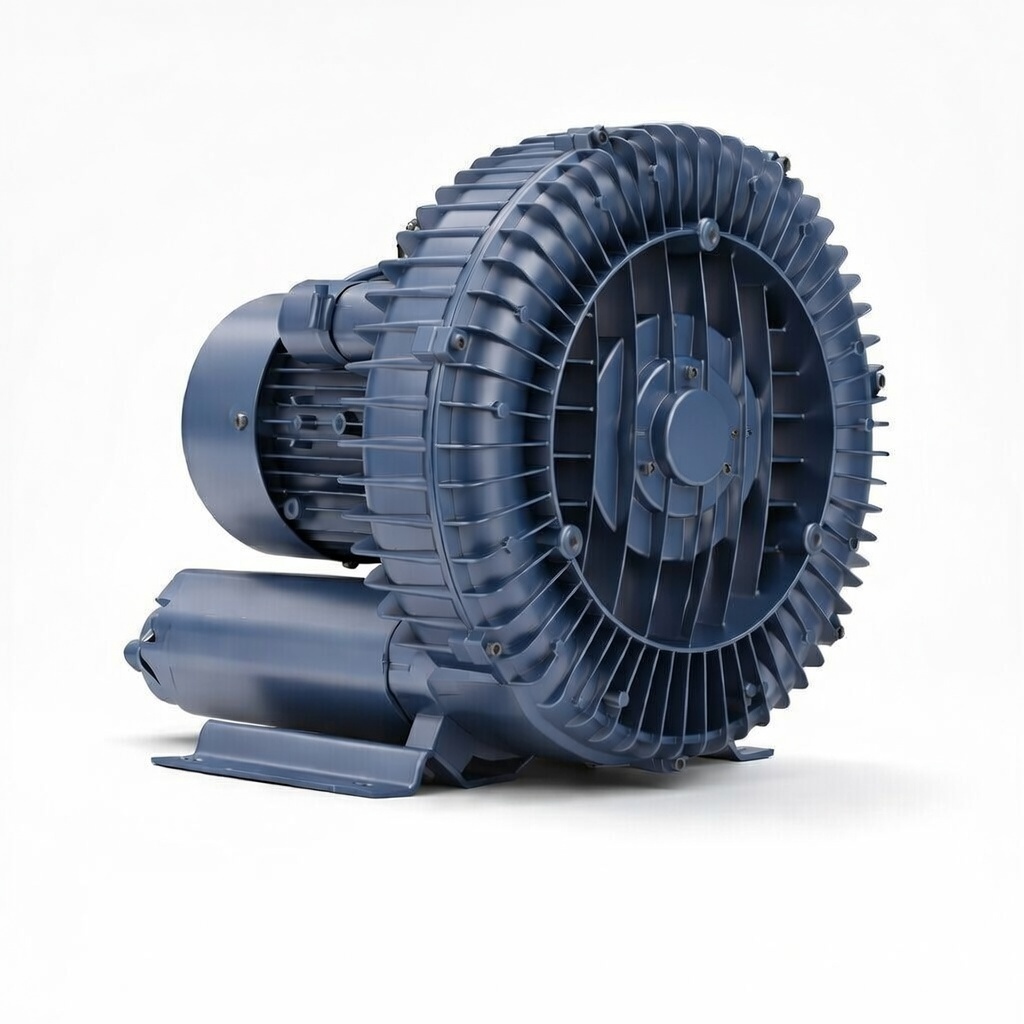
Side Channel Blowers in Wastewater Treatment Plants
Introduction
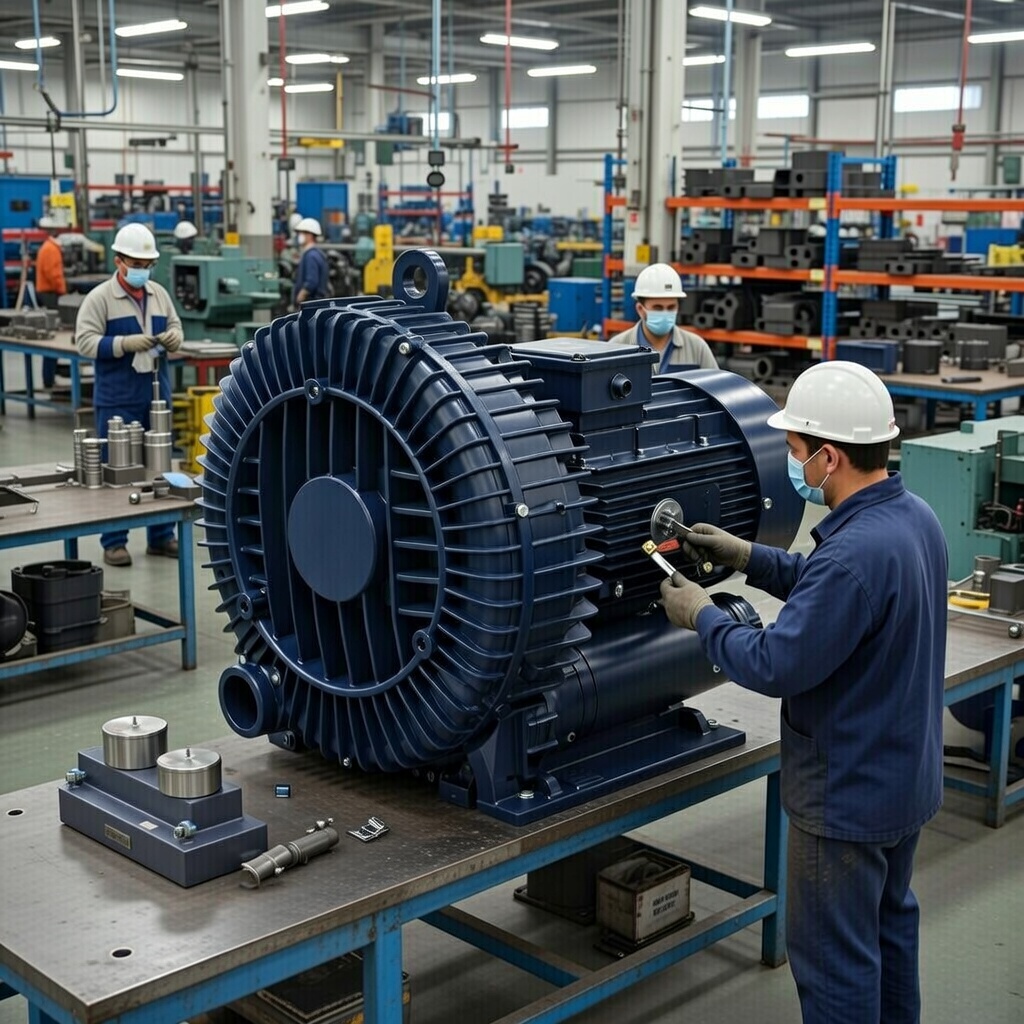
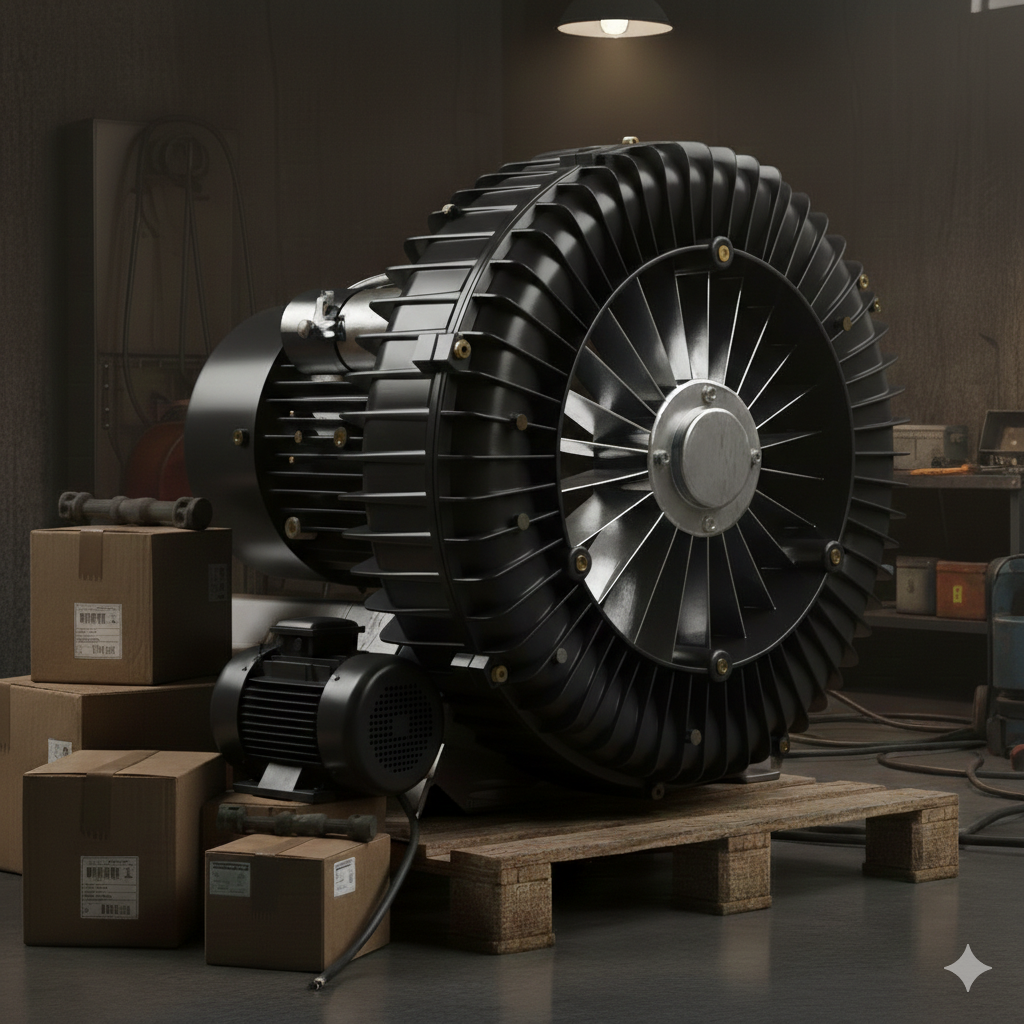
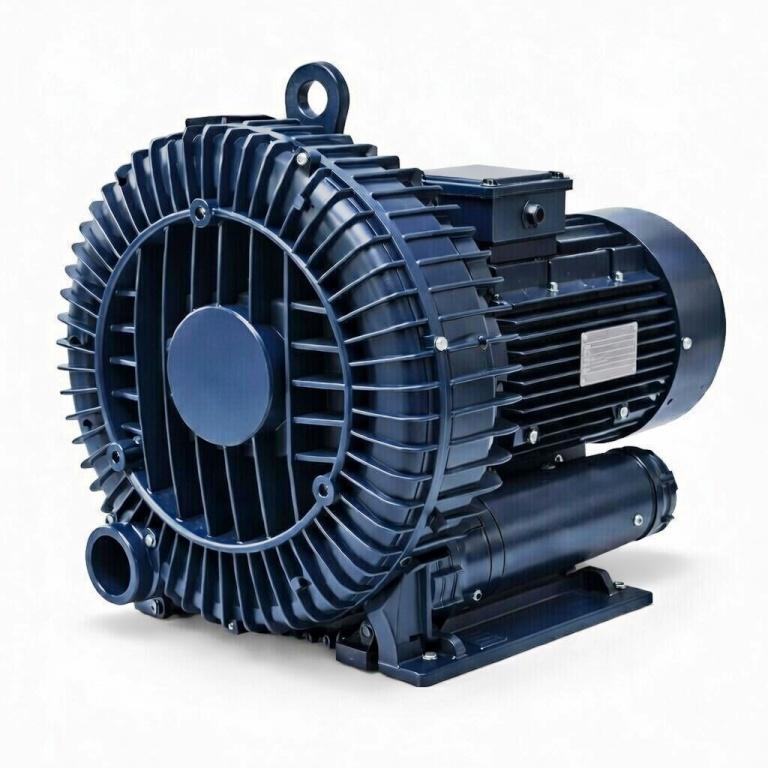
Wastewater treatment plants (WWTPs) rely heavily on efficient, reliable, and continuous airflow systems to maintain biological processes, aeration efficiency, odor control, and environmental compliance. Among the various airflow technologies, side channel blowers (also known as regenerative or Ring blowers) have become a preferred solution for modern wastewater infrastructure.
Their oil-free operation, continuous-duty capability, low maintenance, and energy efficiency make them ideal for critical wastewater applications.
This guide explores how side channel blowers support efficient, sustainable, and smart wastewater treatment operations.
Role of Air Systems in Wastewater Treatment
Air systems are essential for:
- Biological aeration
- Activated sludge processes
- Oxygen transfer
- Mixing and agitation
- Odor control
- Sludge treatment
- Chemical dosing support
- Environmental control
Blowers are the backbone of wastewater treatment performance.
Key Applications of Side Channel Blowers in WWTPs
1. Aeration Systems
Used for:
- Diffused aeration
- Activated sludge tanks
- Biological reactors
- Oxidation ditches
Ensures efficient oxygen transfer and biological treatment.
2. Biological Treatment Processes
Supports:
- Microbial activity
- Nitrification & denitrification
- Organic matter decomposition
- Process stability
3. Sludge Treatment & Handling
Used in:
- Sludge drying
- Sludge aeration
- Sludge stabilization
- Odor control systems
4. Odor Control Systems
Supports:
- Air extraction
- Gas treatment
- Biofilter systems
- Chemical scrubbers
Improves plant safety and community compliance.
5. Chemical Dosing & Mixing
Provides airflow for:
- Chemical mixing tanks
- Process agitation
- Flow stabilization
Why Side Channel Blowers Are Ideal for WWTPs
- Oil-Free Air Supply (no contamination risk)
- Continuous Duty Operation
- Low Maintenance
- Energy Efficient Performance
- Compact Design
- Low Noise Operation
- High Reliability
- Stable Pressure Output
Technical Advantages
Regenerative Airflow Technology
Air is accelerated through multiple impeller stages, creating stable pressure and vacuum with smooth, pulsation-free airflow.
Thermal Stability
Designed for continuous operation without overheating.
Material Durability
Corrosion-resistant coatings and industrial-grade construction support harsh wastewater environments.
Energy Efficiency in Wastewater Operations
Modern WWTP blower systems use:
- High-efficiency motors (IE3/IE4)
- Variable Frequency Drives (VFD)
- Smart airflow control
- Load-based operation
- Automated demand response
Reducing plant energy consumption significantly.
Smart Wastewater Treatment & Industry 4.0
Side channel blower systems integrate with:
- IoT monitoring
- SCADA systems
- Smart sensors
- Predictive maintenance platforms
- Digital twins
Enabling intelligent wastewater management.
ESG & Environmental Sustainability
Blower-based systems support:
- Energy conservation
- Emission reduction
- Clean water processing
- Community health
- Regulatory compliance
- Sustainable infrastructure
Selection Guide for Engineers
Key Selection Factors:
- Airflow requirement
- Pressure requirement
- Duty cycle
- Energy efficiency
- Noise level
- Corrosion resistance
- Installation environment
- Automation compatibility
- Service support
- Future scalability
Common Design Mistakes
- Undersized blowers
- Poor diffuser design
- Incorrect airflow distribution
- No redundancy planning
- No energy optimization
- Lack of monitoring systems
Benefits for Municipal & Industrial WWTPs
- Improved treatment efficiency
- Stable biological processes
- Lower operating costs
- Reduced downtime
- Clean air supply
- Smart plant integration
- Regulatory compliance
- Long equipment life
Conclusion
Side channel blowers are a critical technology pillar in modern wastewater treatment plants. Their oil-free operation, reliability, efficiency, and digital compatibility make them ideal for both municipal and industrial wastewater systems.
As wastewater infrastructure evolves toward smart cities, ESG compliance, and sustainable development, side channel blowers will continue to play a central role in building resilient and future-ready wastewater treatment ecosystems.

Leave A Comment