

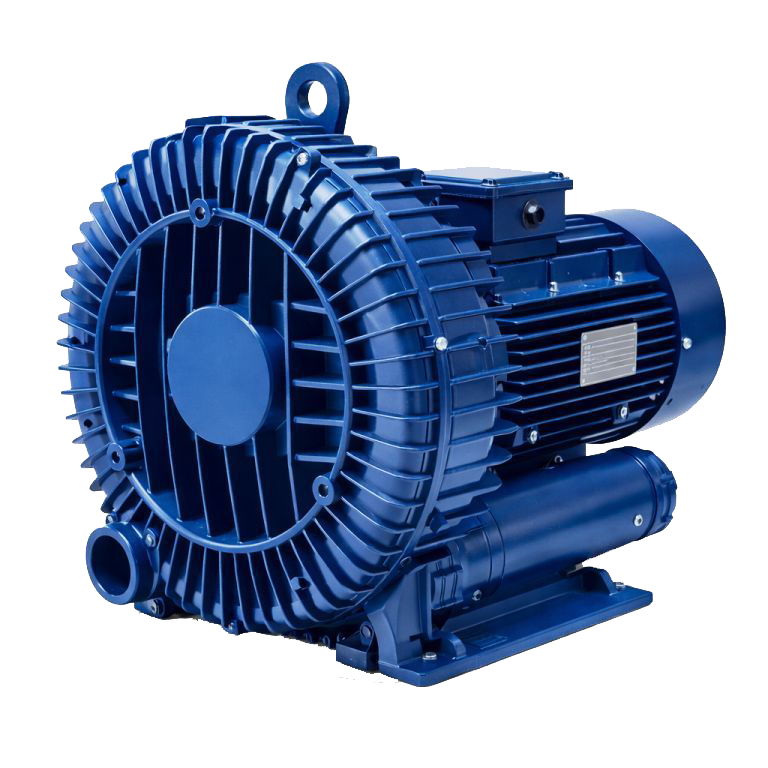
Blowers in Water Desalination Systems
Introduction
Water desalination systems play a critical role in addressing global water scarcity. From seawater desalination plants to industrial brackish water treatment facilities, air and gas movement systems are essential for process efficiency, safety, and sustainability.
Industrial blowers are core components in desalination infrastructure, supporting aeration, vacuum generation, chemical treatment, membrane cleaning, drying, and air handling operations.
This article explores how blowers enable reliable, energy-efficient, and sustainable desalination systems.
Role of Blowers in Desalination Plants
Blowers support multiple critical processes:
- Aeration systems
- Vacuum generation
- Membrane cleaning
- Chemical mixing
- Drying processes
- Cooling systems
- Gas transfer
- Air scouring
They function as process enablers, not just auxiliary equipment.
Key Desalination Technologies Supported by Blowers
Reverse Osmosis (RO)
- Membrane air scouring
- Chemical dosing support
- Cleaning-in-place (CIP) aeration
- Drying of membrane housings
Multi-Stage Flash (MSF)
- Vacuum generation
- Condenser air removal
- Gas evacuation
Multi-Effect Distillation (MED)
- Air extraction
- Condenser vacuum
- Non-condensable gas removal
Electrodialysis (ED)
- Cooling airflow
- Cabinet ventilation
- Process air handling
Types of Blowers Used in Desalination
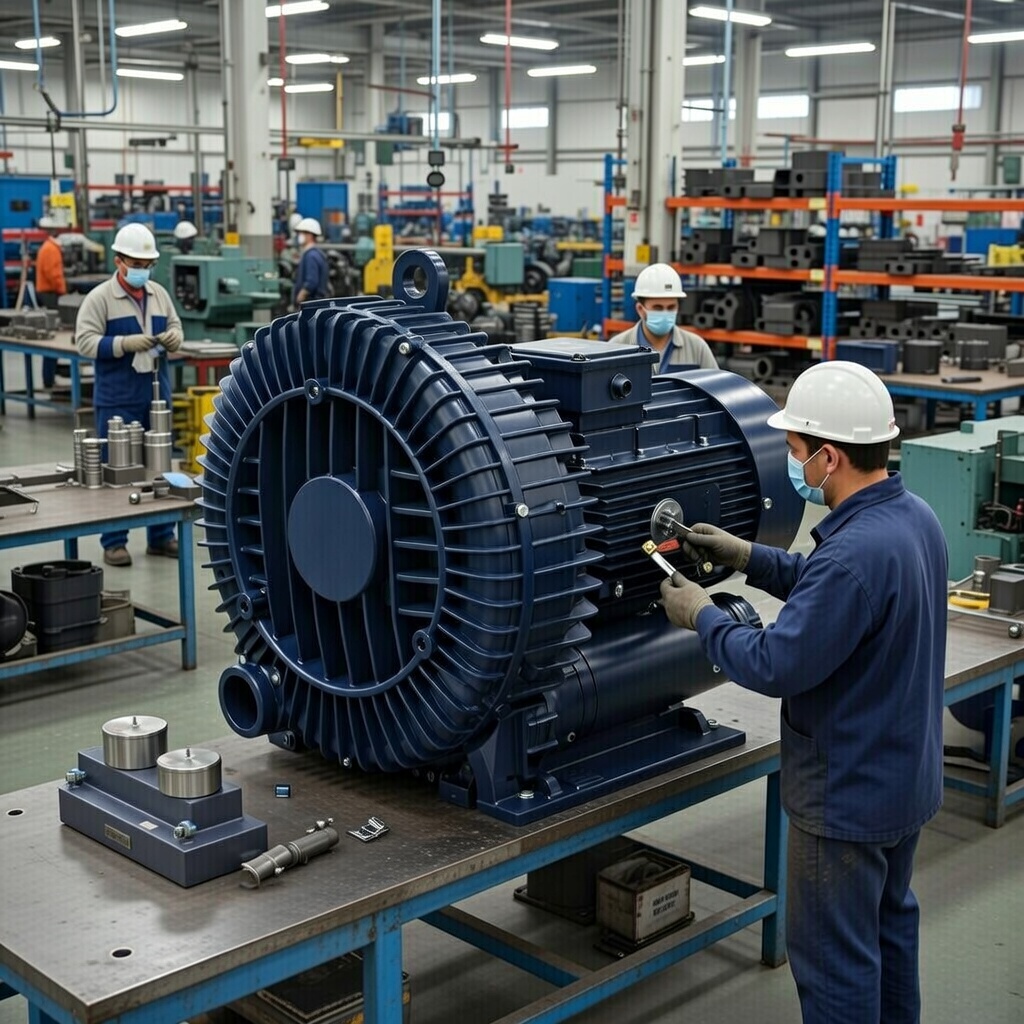
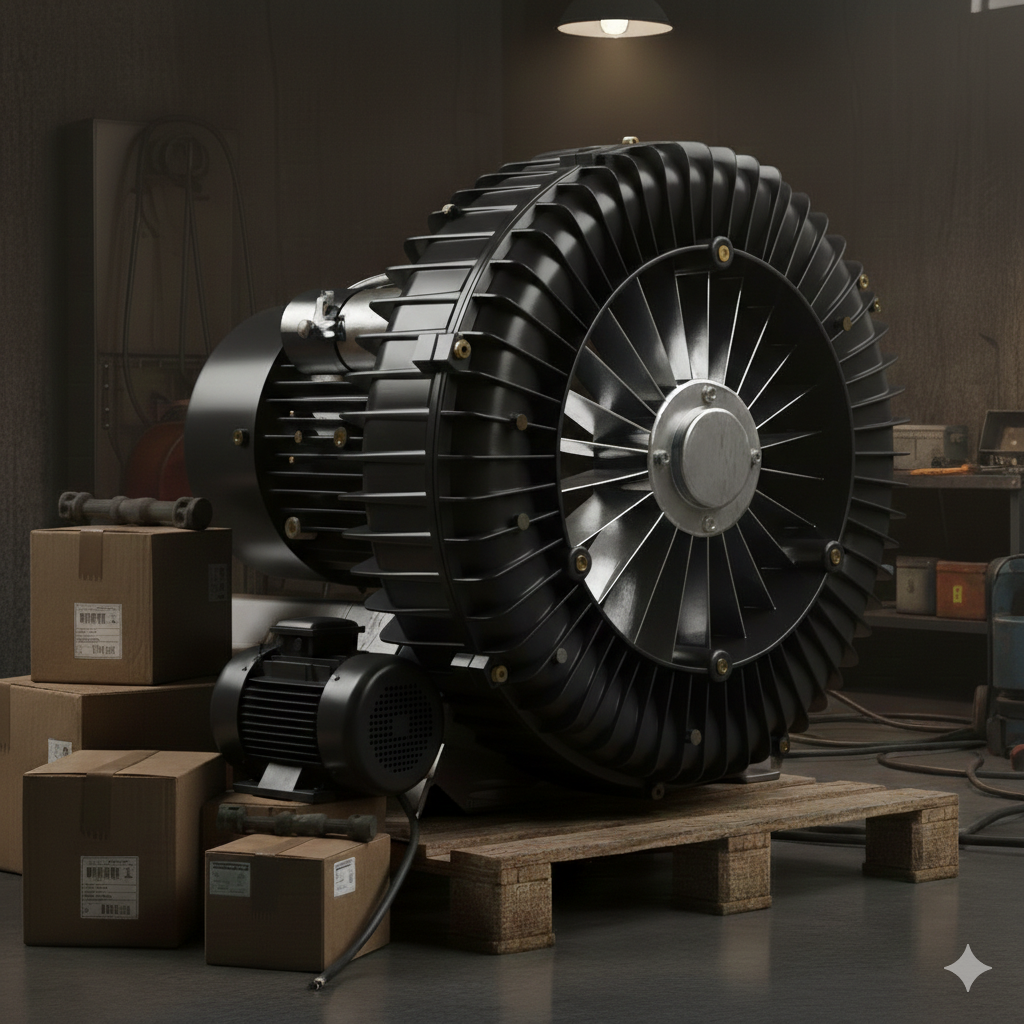
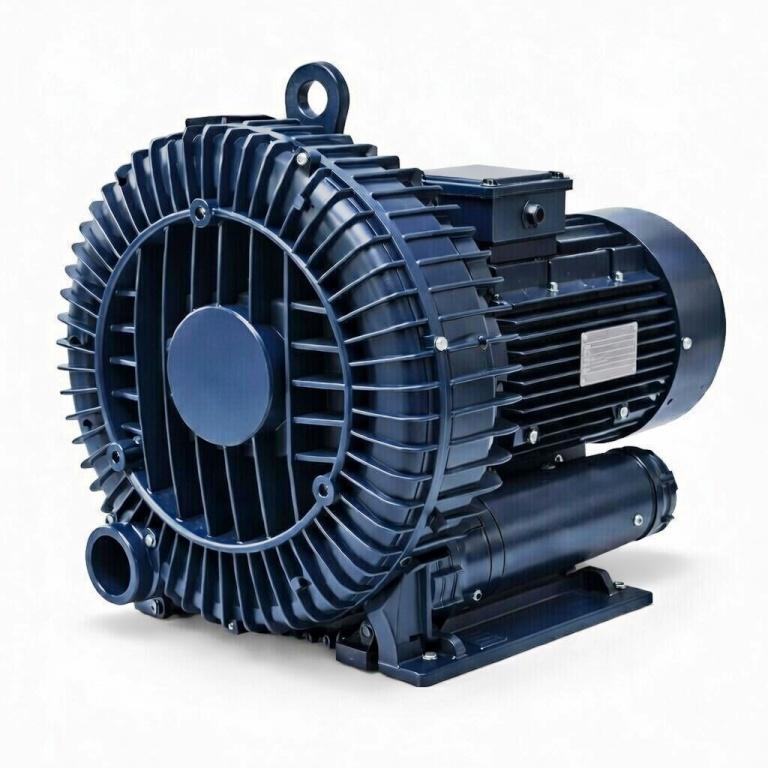
Side Channel (Regenerative) Blowers
- Oil-free operation
- Low maintenance
- Continuous duty
- Clean air supply
- Compact design
Roots Blowers
- High-pressure capability
- Robust design
- Continuous operation
- Reliable performance
Centrifugal Blowers
- High flow applications
- Process ventilation
- Cooling systems
Vacuum Blowers
- Degassing
- Vacuum generation
- Gas extraction
n
Critical Applications
Aeration Systems
Improve oxygen transfer and biological treatment in pre-treatment stages.
Membrane Air Scouring
Prevents fouling and extends membrane life.
Vacuum Systems
Support distillation-based desalination.
Chemical Processing
Ensure uniform mixing and reaction efficiency.
Drying & Ventilation
Protect equipment from corrosion and moisture damage.
Engineering Design Considerations
- Corrosion resistance
- Marine-grade materials
- Energy efficiency
- Continuous operation rating
- Redundancy planning
- Noise control
- Vibration management
- Environmental protection
Energy Efficiency & Sustainability
Modern blower systems contribute to:
- Reduced energy consumption
- Lower carbon footprint
- Optimized airflow control
- Smart load management
- Renewable energy integration
Smart Desalination & Digital Integration
Blowers integrate with:
- SCADA systems
- IoT sensors
- AI optimization platforms
- Digital twins
- Predictive maintenance systems
ESG & Environmental Impact
Efficient blower systems support:
- Water conservation
- Energy conservation
- Sustainable infrastructure
- Green technology adoption
- Climate resilience
Future Trends
- Smart adaptive airflow systems
- AI-based performance optimization
- Autonomous maintenance systems
- Low-energy desalination
- Hydrogen-powered plants
- Net-zero desalination facilities
Conclusion
Blowers are foundational technologies in modern desalination systems. They ensure:
- Process reliability
- Energy efficiency
- System longevity
- Environmental sustainability
- Operational stability
As desalination infrastructure expands globally, advanced blower technology will remain a core pillar of sustainable water engineering.

Leave A Comment