

Food Processing Industry Air Handling Solutions
Introduction
Air handling systems are a critical backbone of the food processing industry. From hygiene and contamination control to drying, cooling, conveying, and packaging, controlled airflow directly impacts food safety, quality, shelf life, energy efficiency, and regulatory compliance.
Modern food processing plants require advanced air handling solutions that are hygienic, energy-efficient, oil-free, low-noise, and digitally controlled.
Role of Air Handling in Food Processing
Air systems support:
- Hygienic ventilation
- Drying processes
- Cooling systems
- Pneumatic conveying
- Packaging operations
- Fermentation control
- Odor management
- Cleanroom environments
- Dust control
Air handling is not auxiliary—it is process-critical infrastructure.
Key Applications
Hygienic Ventilation Systems
- Contamination control
- Clean air circulation
- Pressure zoning
- Temperature regulation
Drying Systems
- Grain drying
- Fruit drying
- Spice drying
- Dehydration tunnels
Cooling & Refrigeration Support
- Cold storage airflow
- Freezer ventilation
- Process cooling
Pneumatic Conveying
- Flour handling
- Sugar conveying
- Grain transport
- Powder movement
Packaging & Processing Lines
- Vacuum packaging
- Modified atmosphere packaging
- Sealing air systems
- Tray sealing systems
Technology Solutions
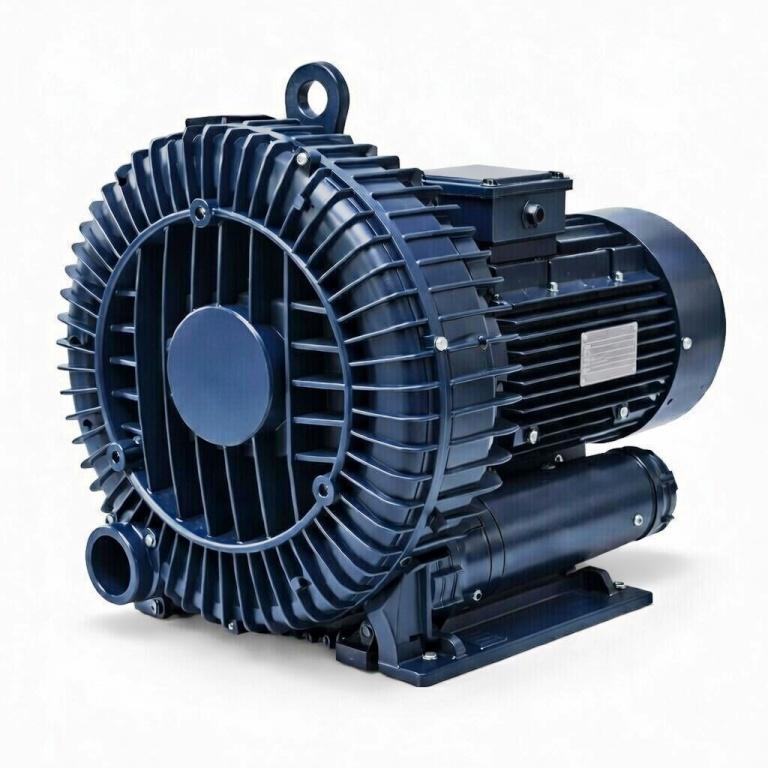
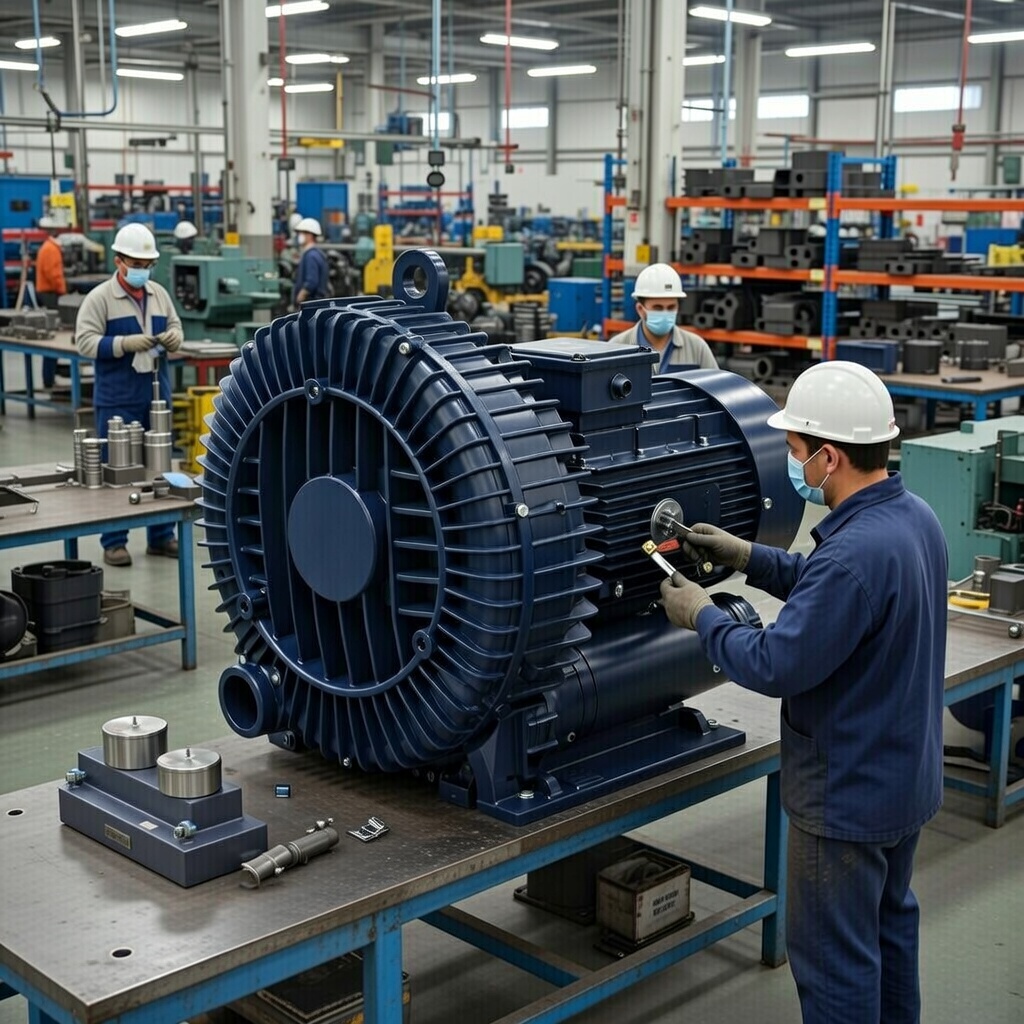
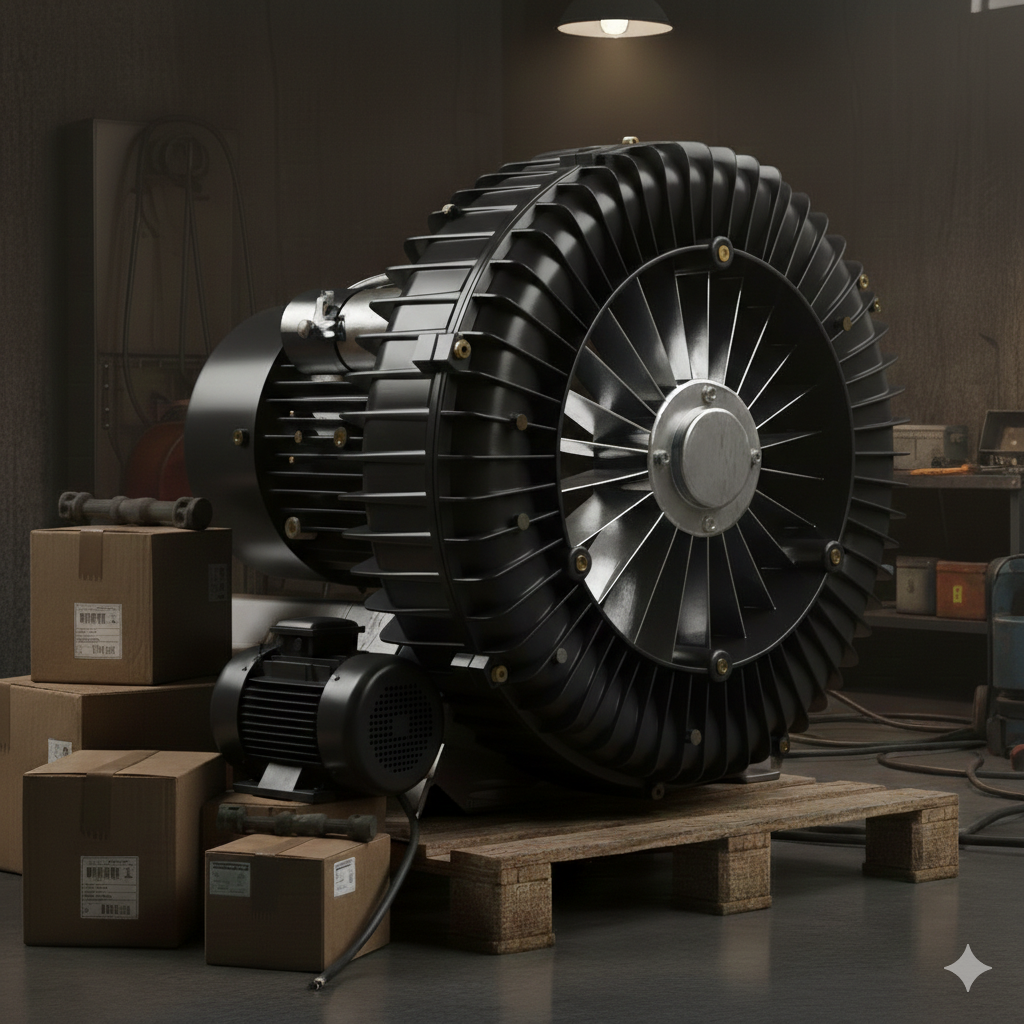
Side Channel (Regenerative) Blowers
- Oil-free air
- Continuous duty
- Low maintenance
- Compact footprint
Centrifugal Blowers
- High airflow capacity
- Process ventilation
- Cooling applications
Roots Blowers
- High-pressure conveying
- Robust design
- Continuous operation
Vacuum Systems
- Packaging
- Degassing
- Material handling
Hygiene & Food Safety Compliance
Air handling systems support compliance with:
- HACCP
- FSSAI
- ISO 22000
- FDA
- GMP
- EHEDG
Key requirements:
- Oil-free air
- Food-grade materials
- Easy cleaning design
- No contamination zones
- Sealed systems
Engineering Design Considerations
- Stainless steel construction
- Smooth internal surfaces
- CIP compatibility
- Noise control
- Energy efficiency
- Redundancy systems
- Cleanroom zoning
- Pressure balancing
Energy Efficiency & Sustainability
Advanced air handling enables:
- Heat recovery
- Smart airflow control
- Variable speed drives
- Load-based operation
- Energy monitoring
- Carbon footprint reduction
Smart Food Processing Plants
Digital integration includes:
- IoT sensors
- SCADA systems
- AI optimization
- Digital twins
- Predictive maintenance
- Cloud monitoring
ESG & Sustainability Impact
Supports:
- Food waste reduction
- Energy conservation
- Clean production
- Sustainable operations
- Resource efficiency
- Environmental compliance
Future Trends
- Smart cleanrooms
- AI-driven airflow optimization
- Autonomous sanitation systems
- Zero-contamination factories
- Net-zero food plants
- Smart cold chains
Business Benefits
- Improved food quality
- Longer shelf life
- Regulatory compliance
- Lower energy cost
- Higher productivity
- Brand trust
- Export readiness
Conclusion
Air handling solutions are strategic infrastructure in food processing, not just mechanical systems.
Advanced air technologies ensure:
- Food safety
- Operational efficiency
- Energy optimization
- Regulatory compliance
- Sustainable growth
The future of food processing is built on intelligent, hygienic, and sustainable air handling systems.

Leave A Comment