

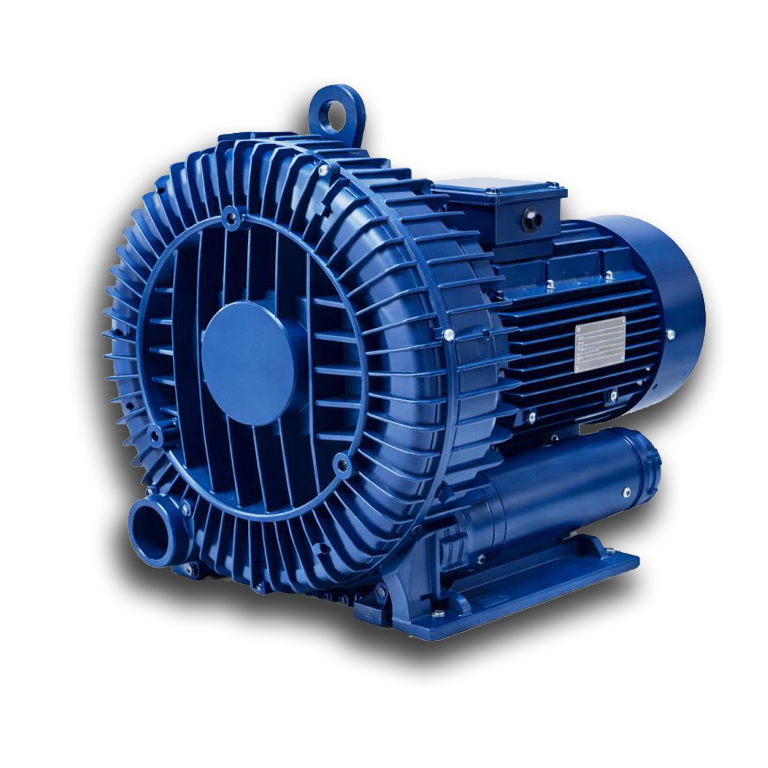
How Industrial Air Networks Work
Introduction
Industrial air networks are the hidden infrastructure that powers modern factories, plants, and processing facilities. From compressed air systems to blower-based airflow networks, these systems enable production, automation, safety, cooling, material handling, and environmental control.
An industrial air network is not just equipment—it is an engineered ecosystem of generation, distribution, control, storage, and utilization of air and gas flows.
What Is an Industrial Air Network?
An industrial air network is a complete system that includes:
- Air generation
- Air compression / blowing
- Air treatment
- Air storage
- Air distribution
- Air control
- End-use applications
It functions like a utility grid inside a factory.
Core Components
1. Air Generation
Sources include:
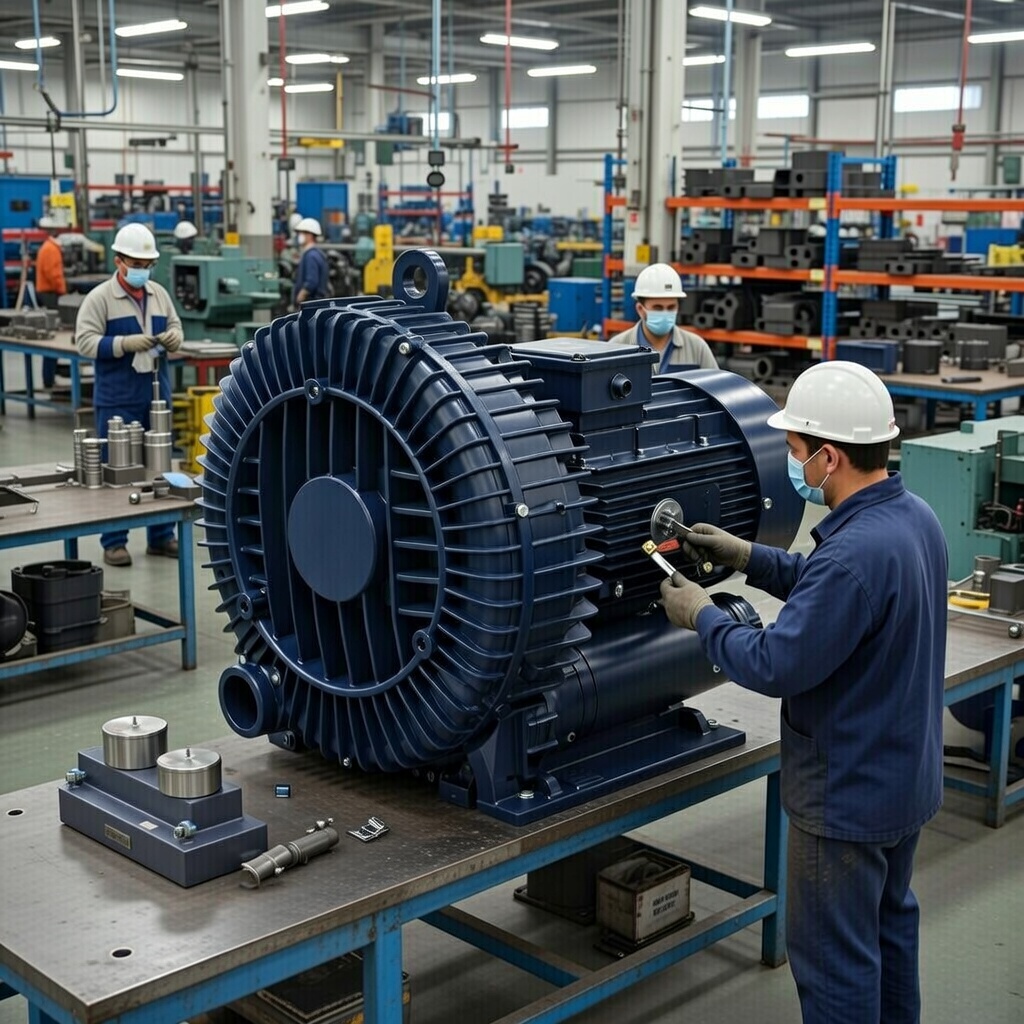
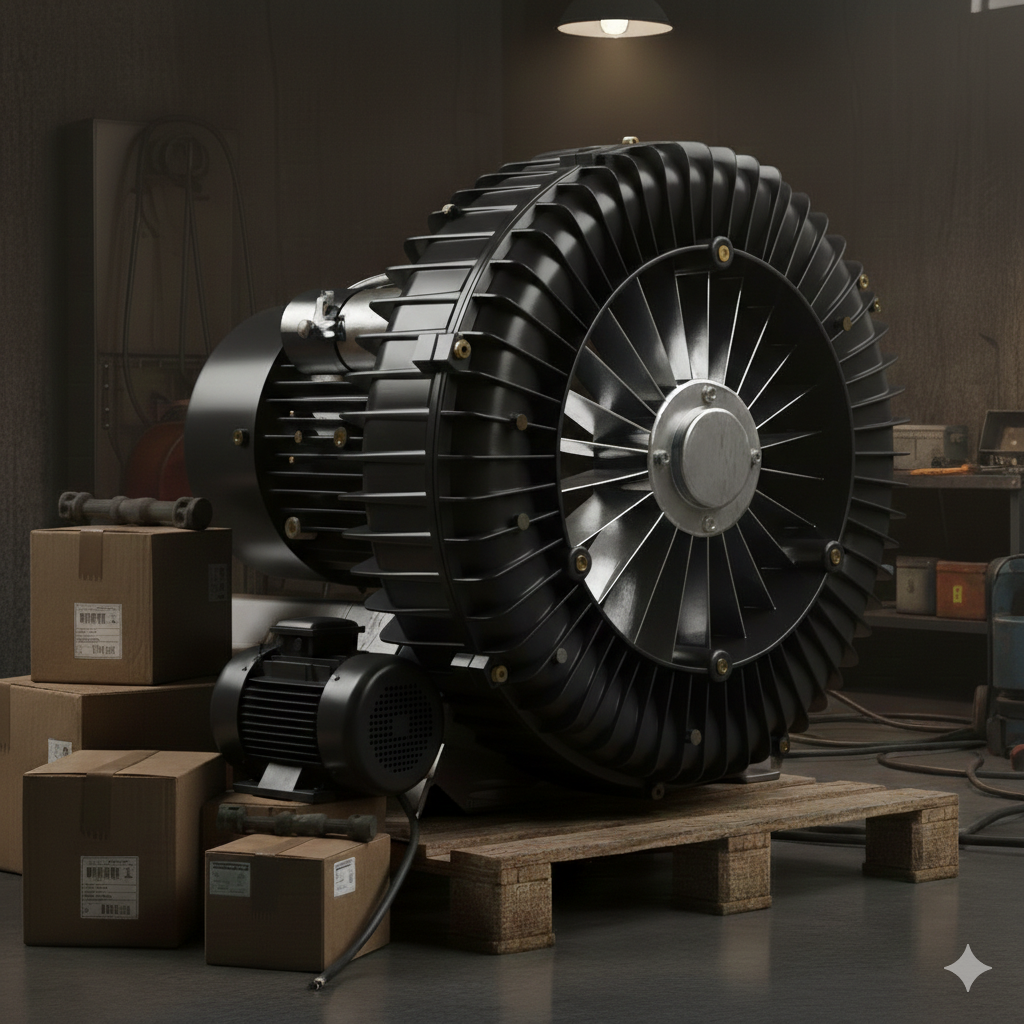
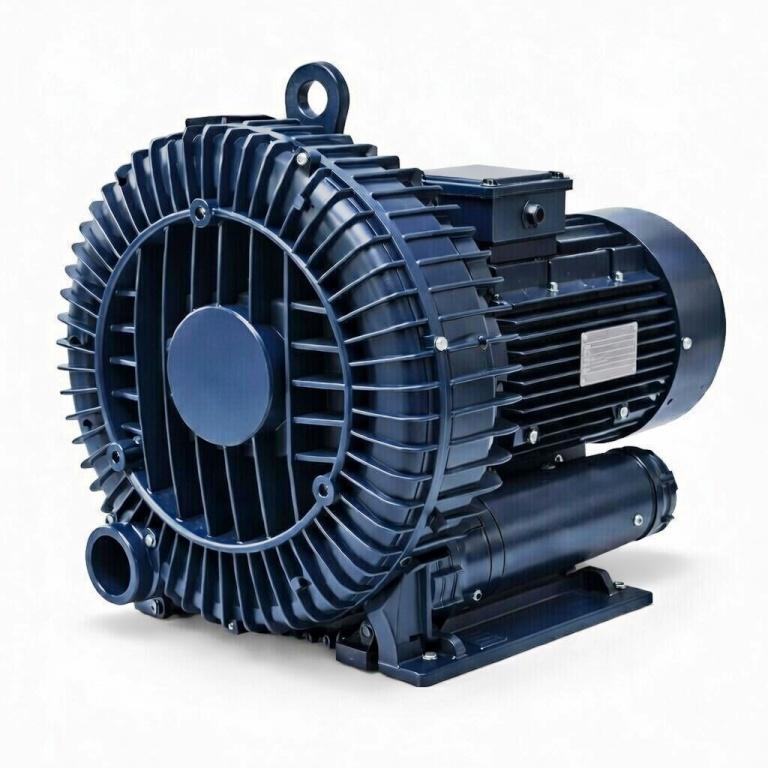
- Blowers
- Compressors
- Vacuum systems
- Fans
Purpose:
- Generate airflow or pressure
- Create vacuum or suction
- Maintain system balance
2. Air Treatment
Includes:
- Filters
- Dryers
- Moisture separators
- Oil removal systems
- Sterilization units
Purpose:
- Ensure air quality
- Protect equipment
- Maintain process hygiene
3. Air Storage
Includes:
- Air receivers
- Buffer tanks
- Accumulators
Purpose:
- Pressure stabilisation
- Demand balancing
- Energy optimisation
4. Air Distribution Network
Includes:
- Pipelines
- Ducting systems
- Valves
- Manifolds
- Control dampers
Purpose:
- Transport air efficiently
- Minimize losses
- Maintain pressure stability
5. Control & Regulation
Includes:
- Pressure regulators
- Flow controllers
- VFDs
- PLCs
- SCADA systems
- IoT sensors
Purpose:
- Maintain performance
- Optimize energy use
- Ensure safety
6. End-Use Applications
Air is used for:
- Pneumatic tools
- Material conveying
- Drying systems
- Aeration systems
- Cooling systems
- Packaging
- Dust control
- Combustion support
Types of Industrial Air Networks
Compressed Air Networks
High-pressure air for tools, automation, and control systems.
Blower-Based Air Networks
Medium-pressure, high-flow air systems for process applications.
Vacuum Air Networks
Negative pressure systems for suction, material handling, and packaging.
Hybrid Air Networks
Integrated systems using compressors, blowers, and vacuum technologies.
Engineering Design Principles
- Load analysis
- Demand profiling
- Redundancy design
- Energy efficiency
- Pressure drop management
- Leak minimization
- Noise control
- Scalability planning
n
Energy Efficiency Strategy
Efficient air networks use:
- Variable speed drives
- Smart load control
- Leak detection systems
- Heat recovery
- Demand-based operation
- Energy monitoring
Smart Industrial Air Networks
Modern systems integrate:
- IoT platforms
- AI optimization
- Digital twins
- Predictive maintenance
- Cloud dashboards
- Automated fault detection
ESG & Sustainability Impact
Industrial air networks support:
- Energy conservation
- Carbon reduction
- Resource efficiency
- Sustainable production
- Environmental compliance
- Circular economy
Common Design Mistakes
- Oversizing equipment
- Poor pipe layout
- No redundancy
- No monitoring
- High leakage
- No energy recovery
- No future scalability
Future of Industrial Air Networks
- Autonomous air systems
- Self-healing networks
- AI-driven airflow optimization
- Smart grid integration
- Hydrogen-ready infrastructure
- Net-zero factories
Conclusion
Industrial air networks are strategic production infrastructure.
They determine:
- Operational efficiency
- Energy consumption
- System reliability
- Safety
- Production quality
- Sustainability performance
Future-ready industries invest in intelligent, efficient, and resilient industrial air networks.

Leave A Comment