

Plant Layout Optimisation Using Ring Blowers
Introduction
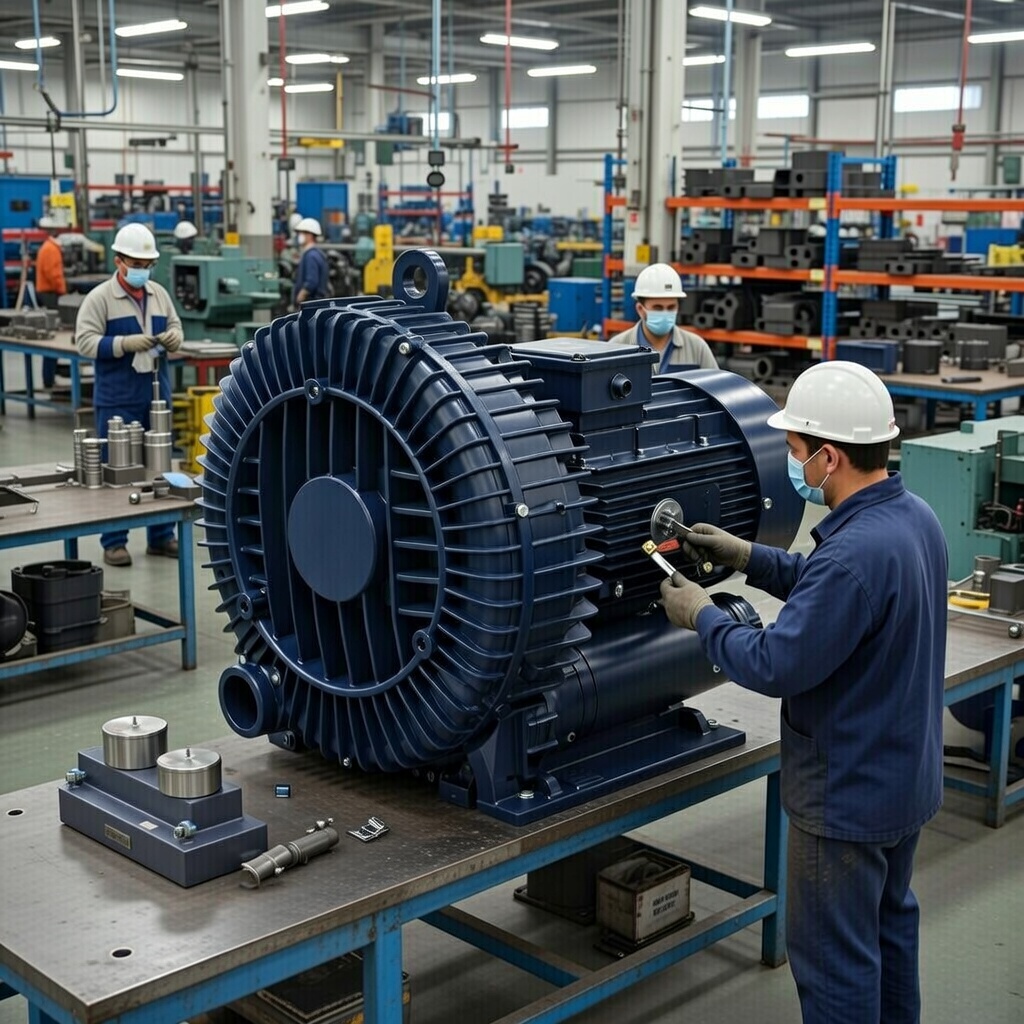
Modern industrial plants demand compact, efficient, low-noise, and energy-optimized layouts. Equipment placement is no longer just about fitting machines into available space — it is about process efficiency, energy flow, safety, maintenance access, and future scalability.
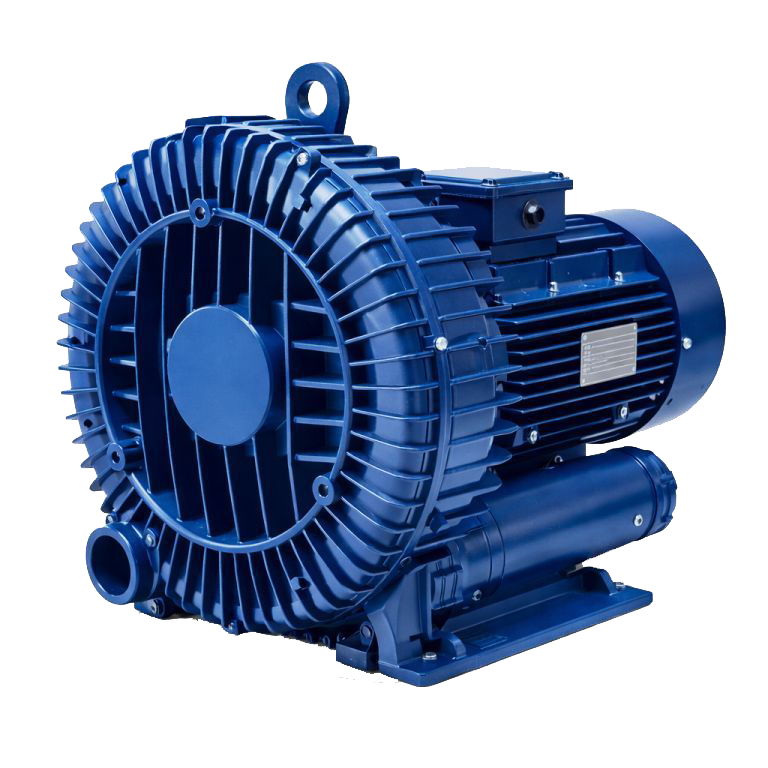
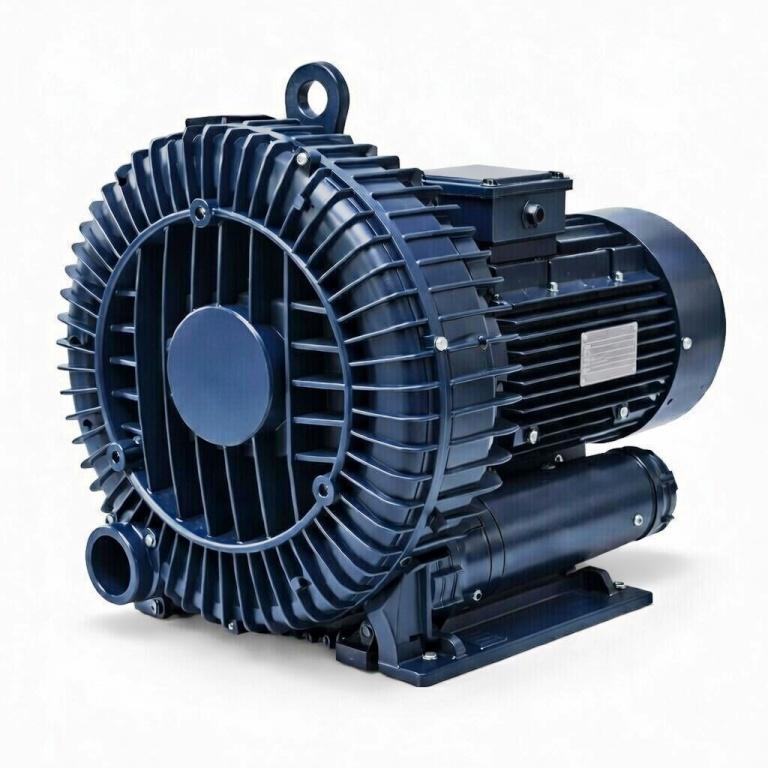
Ring blowers (also known as side channel or regenerative blowers) play a strategic role in plant layout optimization because of their compact size, oil-free operation, low vibration, and flexible installation capabilities.
Why Ring Blowers Are Ideal for Layout Optimization
Ring blowers offer unique advantages:
- Compact footprint
- Vertical and horizontal mounting flexibility
- Oil-free operation
- Low vibration
- Low noise levels
- Minimal foundation requirements
- Modular installation
- Clean air output
These features make them perfect for space-efficient plant design.
Layout Challenges in Modern Plants
Common problems:
- Space constraints
- Complex piping networks
- High noise zones
- Maintenance congestion
- Poor airflow routing
- Energy losses
- Unsafe equipment placement
- Expansion limitations
Ring blowers help solve these challenges through decentralized and flexible system design.
Optimization Strategies Using Ring Blowers
1. Decentralized Air Systems
Instead of one central blower room:
- Multiple localized ring blowers
- Reduced duct length
- Lower pressure losses
- Improved efficiency
- Better zoning control
2. Vertical Space Utilization
Ring blowers enable:
- Wall mounting
- Mezzanine installation
- Machine-mounted systems
- Overhead integration
This frees valuable floor space.
3. Modular Process Cells
Support:
- Plug-and-play production units
- Skid-mounted systems
- Mobile processing lines
- Scalable modules
4. Noise Zoning Optimization
Low-noise operation allows:
- Installation near workstations
- Elimination of large acoustic rooms
- Better human-machine interaction
5. Maintenance Accessibility
Design benefits:
- Easy access
- Quick replacement
- Minimal downtime
- Simplified servicing
Application Areas
Ring blowers optimize layout in:
- Packaging plants
- Food processing units
- Textile factories
- Pharmaceutical plants
- Printing plants
- Wastewater treatment facilities
- Recycling plants
- Automation lines
Engineering Design Considerations
- Load distribution
- Redundancy planning
- Airflow zoning
- Vibration isolation
- Noise management
- Electrical routing
- Safety clearances
- Fire compliance
n
Energy Efficiency Impact
Layout optimization improves:
- Reduced pressure drops
- Lower energy consumption
- Efficient airflow routing
- Reduced transmission losses
- Smart load sharing
Smart Plant Integration
Ring blower systems integrate with:
- PLC systems
- SCADA
- IoT sensors
- Digital twins
- Predictive maintenance platforms
ESG & Sustainability Benefits
Optimized layouts support:
- Energy efficiency
- Reduced material usage
- Lower carbon footprint
- Clean production
- Sustainable infrastructure
Future-Ready Factory Design
Ring blowers enable:
- Flexible manufacturing
- Reconfigurable plants
- Smart factories
- Industry 4.0 layouts
- Net-zero plant designs
Business Benefits
- Higher productivity
- Lower operating costs
- Faster installation
- Easy expansion
- Better safety
- Improved reliability
- Cleaner work environment
Conclusion
Plant layout optimization is no longer just architectural planning — it is process engineering and energy engineering.
Ring blowers act as layout enablers, allowing industries to build:
- Compact plants
- Efficient workflows
- Clean environments
- Smart factories
- Scalable infrastructure
Using ring blowers strategically transforms plant layouts into high-performance industrial ecosystems.

Leave A Comment