

Retrofit Solutions Using Ring Blowers
Introduction
Industrial plants across the world are upgrading legacy systems to meet modern demands of energy efficiency, space optimization, sustainability, noise reduction, and smart automation. Retrofitting is no longer just replacement — it is system modernization.
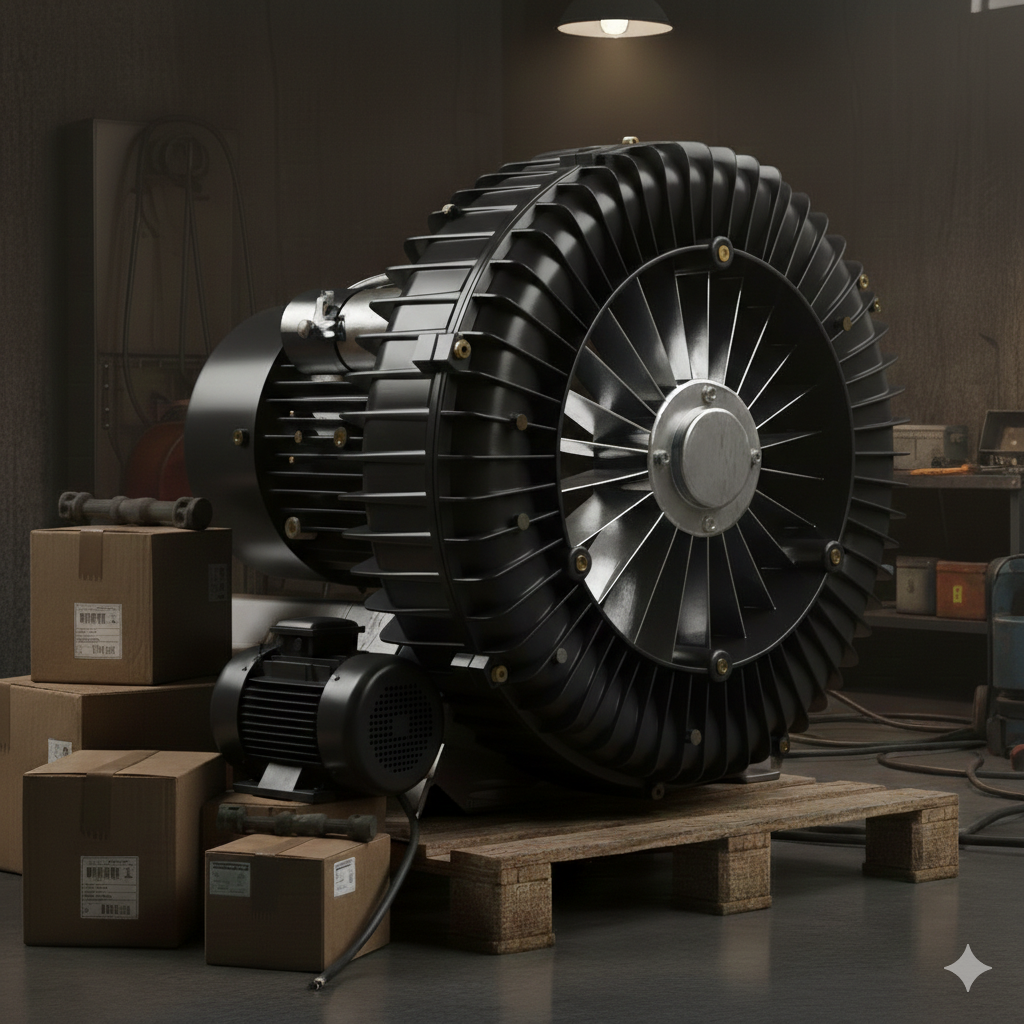
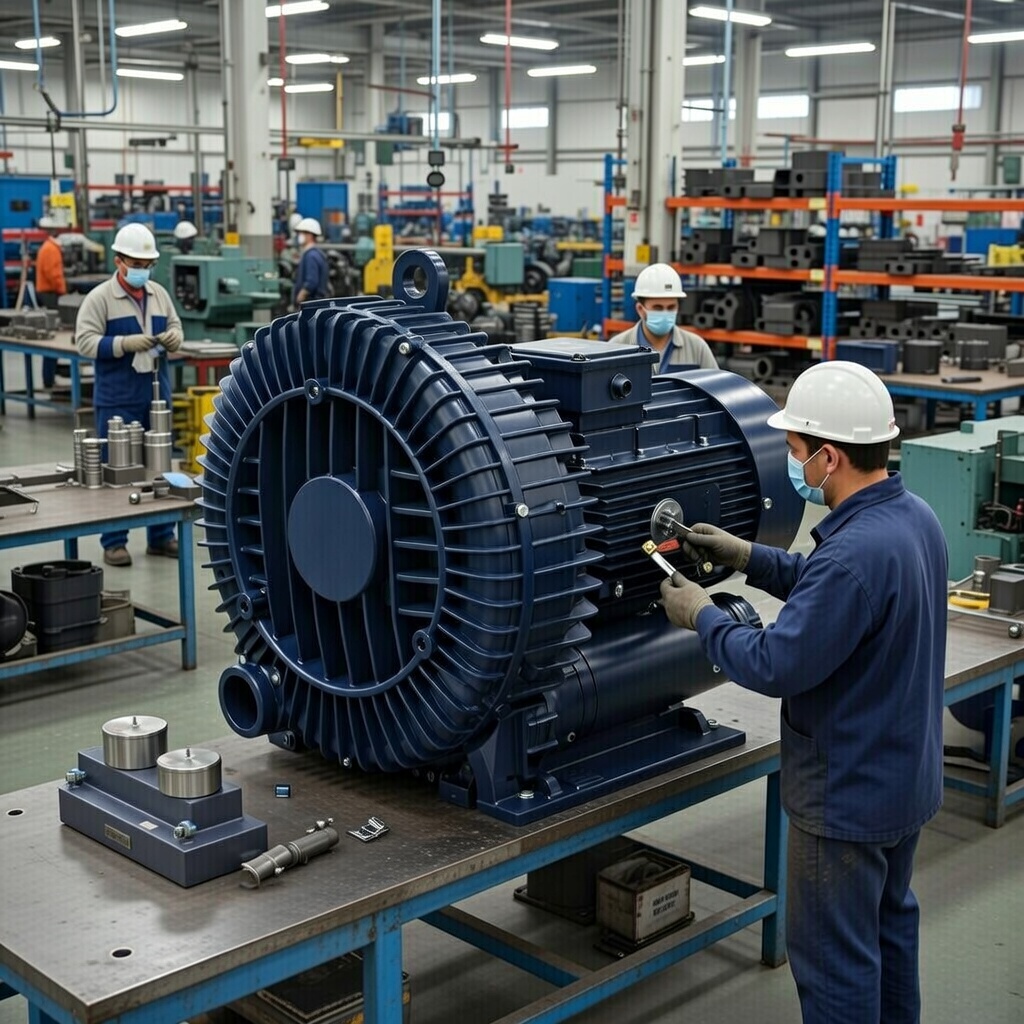
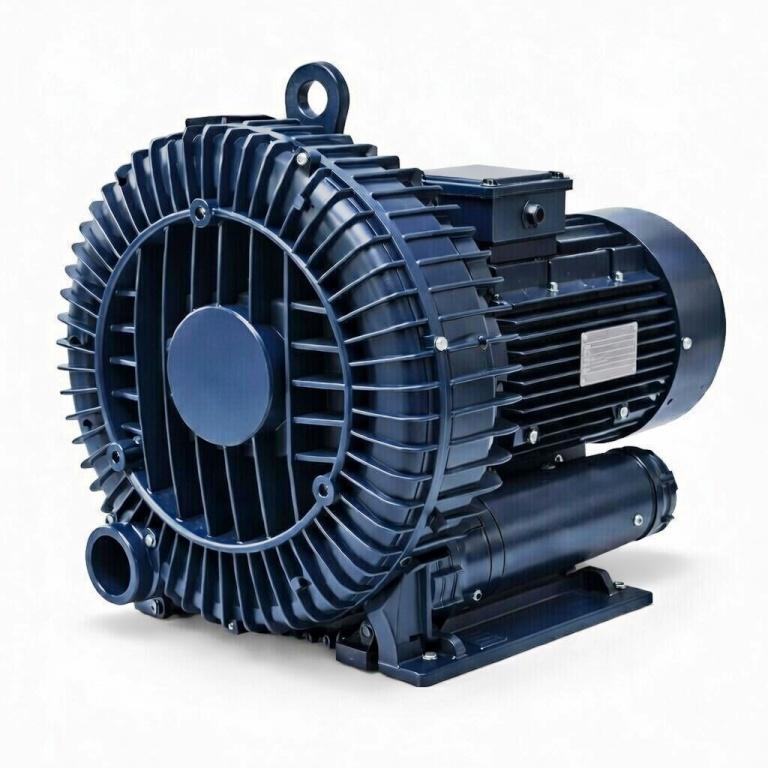
Ring blowers (side channel / regenerative blowers) are ideal technologies for retrofit projects because of their compact size, oil-free operation, low vibration, flexible installation, and low maintenance requirements.
Why Ring Blowers Are Ideal for Retrofit Projects
Key advantages:
- Compact footprint
- Plug-and-play integration
- Oil-free air supply
- Low noise
- Low vibration
- Minimal foundation requirements
- Flexible mounting options
- Modular scalability
- Energy-efficient operation
These features allow seamless integration into existing plant layouts without major civil or structural changes.
Common Retrofit Challenges in Old Plants
- Limited space
- Outdated ducting systems
- High noise levels
- High energy consumption
- Poor air quality
- Maintenance complexity
- Obsolete equipment
- Non-compliance with new standards
Ring blowers solve these issues through modern decentralized airflow systems.
Retrofit Strategies Using Ring Blowers
1. Replacement Retrofit
Replace:
- Old centrifugal blowers
- Legacy roots blowers
- Fan-based systems
With:
- Compact ring blowers
- Energy-efficient airflow systems
Benefits:
- Lower energy use
- Reduced noise
- Lower maintenance
2. System Decentralization
From:
- Centralized air systems
To:
- Localized ring blower units
Benefits:
- Reduced duct losses
- Better zoning control
- Higher efficiency
- Improved reliability
3. Modular Retrofitting
Implement:
- Skid-mounted units
- Plug-in blower modules
- Mobile air units
Benefits:
- Fast installation
- Scalability
- Minimal downtime
4. Energy Optimization Retrofit
Integrate:
- VFDs
- Smart controllers
- Load-based operation
- Energy monitoring
Benefits:
- Reduced power consumption
- Lower operating cost
5. Noise Control Retrofit
Solutions:
- Low-noise ring blowers
- Acoustic enclosures
- Vibration isolation
Benefits:
- Improved working environment
- Regulatory compliance
Application Areas
Ring blower retrofit solutions work in:
- Wastewater treatment plants
- Food processing factories
- Textile plants
- Packaging industries
- Printing plants
- Pharmaceutical facilities
- Recycling plants
- Automation lines
Engineering Design Considerations
- Load compatibility
- Pressure-flow matching
- Electrical integration
- Control system compatibility
- Safety compliance
- Redundancy planning
- Maintenance access
- Noise zoning
Smart Retrofit Integration
Modern retrofit systems integrate with:
- PLC systems
- SCADA platforms
- IoT sensors
- Cloud dashboards
- Predictive maintenance
- Digital twins
ESG & Sustainability Benefits
Retrofit using ring blowers supports:
- Energy efficiency
- Carbon reduction
- Waste reduction
- Clean production
- Sustainable infrastructure
Future-Ready Retrofitting
Ring blowers enable:
- Smart factory upgrades
- Industry 4.0 transition
- Modular expansion
- Net-zero plant conversion
- Green manufacturing transformation
Business Benefits
- Lower retrofit cost
- Faster project execution
- Minimal production downtime
- Improved system reliability
- Energy savings
- Compliance readiness
- Long-term scalability
Conclusion
Retrofit is not just replacement — it is industrial transformation.
Ring blowers act as enablers of modernisation, allowing old plants to become:
- Energy-efficient
- Space-optimised
- Low-noise
- Smart
- Sustainable
Retrofit solutions using ring blowers transform legacy facilities into future-ready industrial ecosystems.

Leave A Comment