

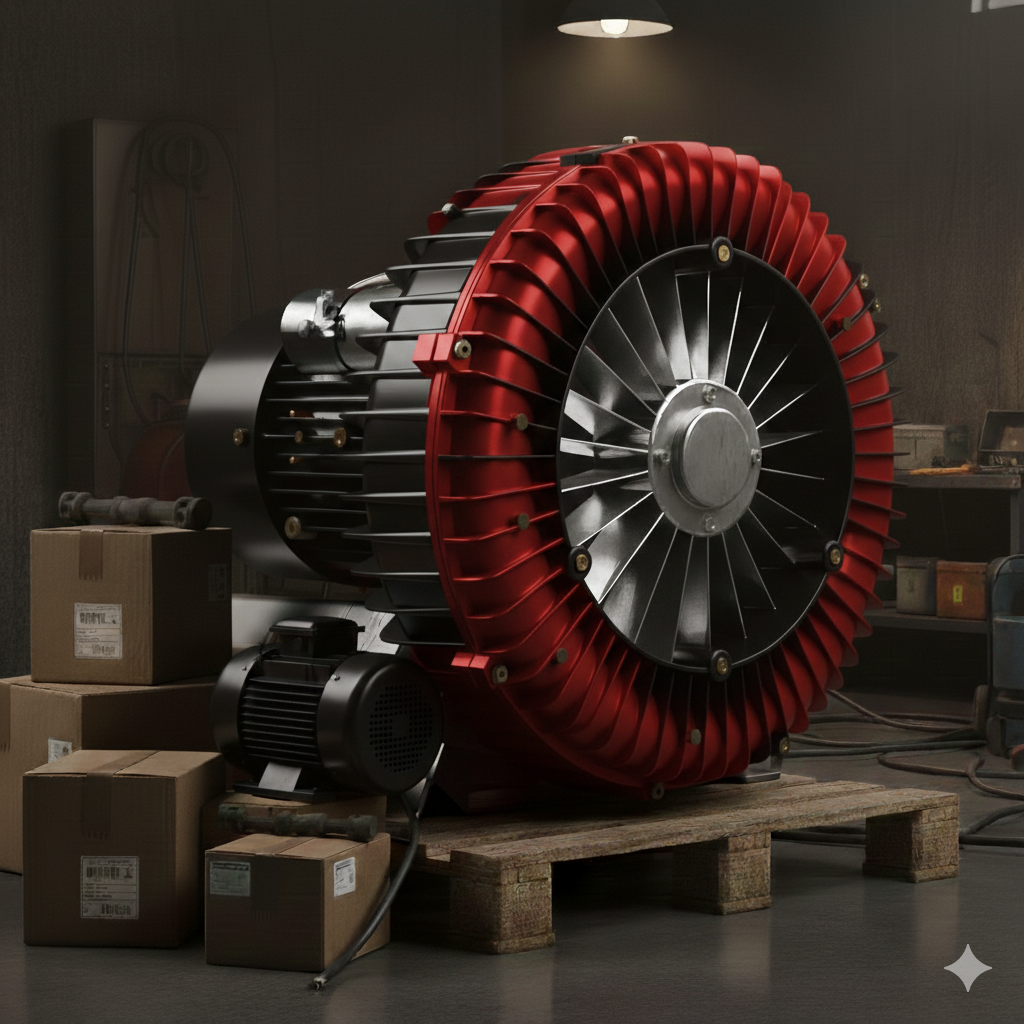
Understanding Industrial Air Engineering
Introduction
Industrial Air Engineering is the science and engineering discipline that designs, controls, optimises, and manages air and gas movement in industrial environments. It forms the backbone of modern manufacturing, infrastructure, energy systems, environmental protection, and smart factories.
From airflow generation to distribution, treatment, control, and recovery, industrial air engineering integrates mechanical engineering, fluid dynamics, electrical systems, automation, and digital technologies into a unified industrial utility ecosystem.
What Is Industrial Air Engineering?
Industrial Air Engineering involves the design and integration of:
- Air generation systems
- Blowers and compressors
- Vacuum systems
- Air treatment technologies
- Distribution networks
- Control systems
- Monitoring platforms
- Energy optimization systems
It transforms air into a managed industrial resource.
Core Domains of Industrial Air Engineering
1. Airflow Generation
Technologies include:
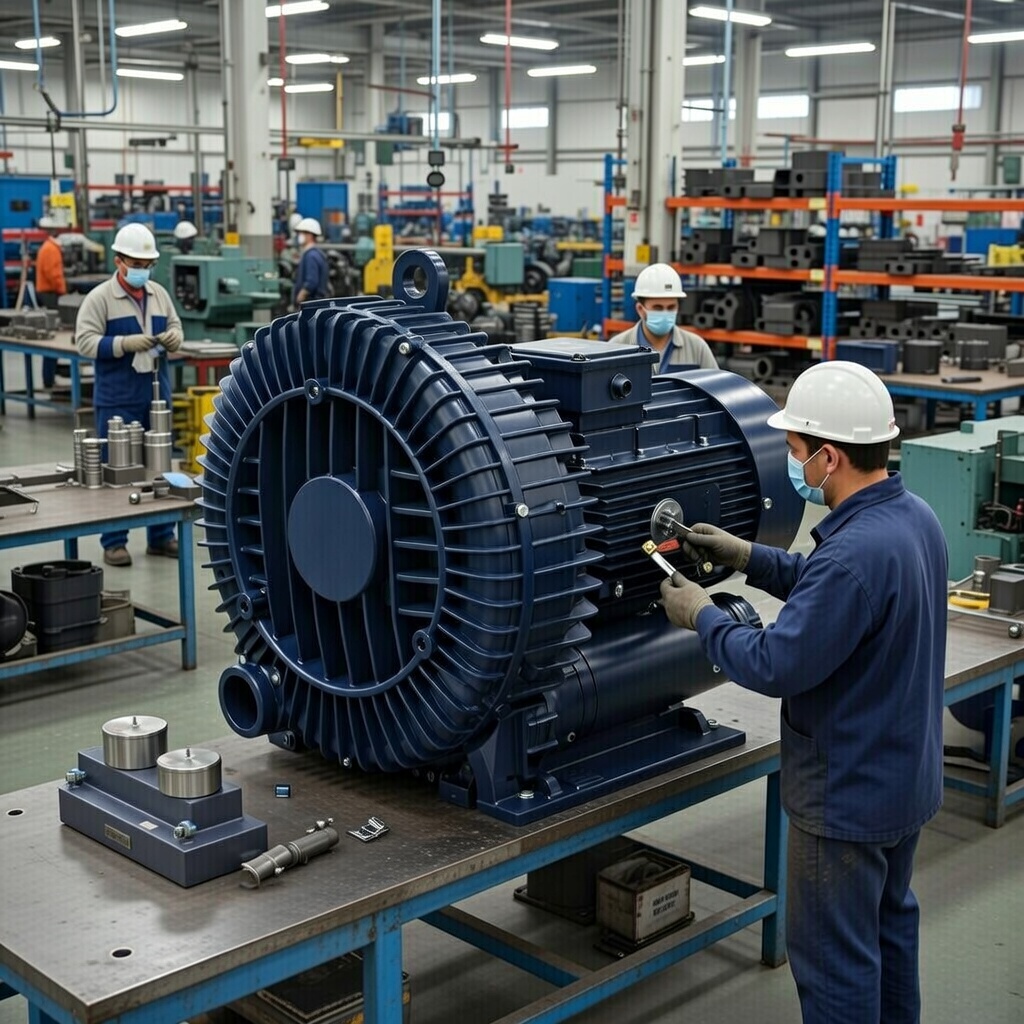
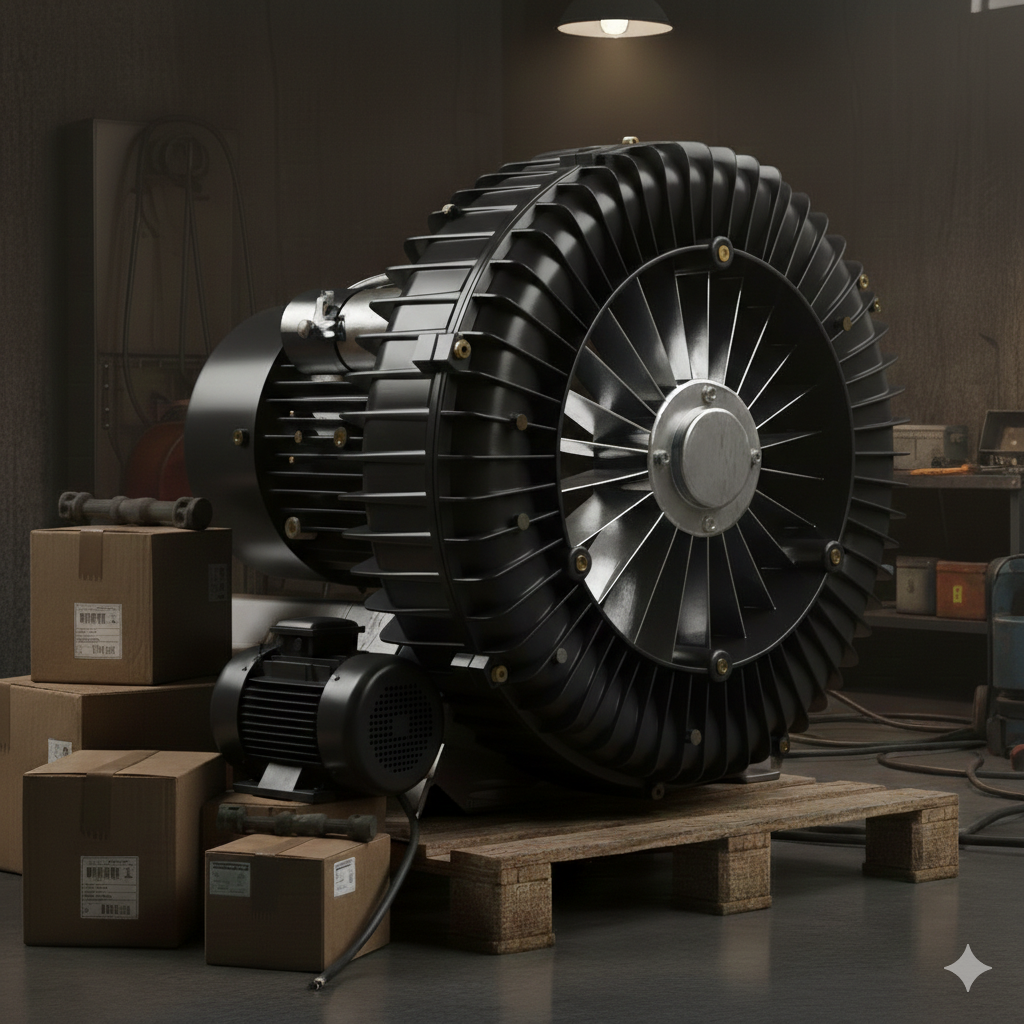
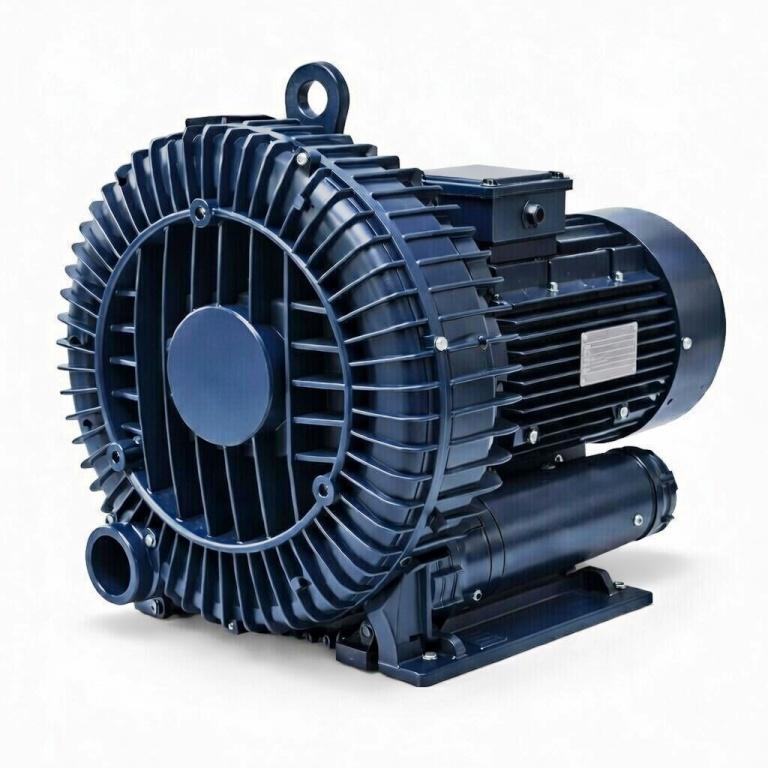
- Side channel blowers
- Roots blowers
- Centrifugal blowers
- Axial fans
- Compressors
- Vacuum pumps
2. Air Treatment
Includes:
- Filtration
- Drying
- Moisture separation
- Oil removal
- Sterilization
- Dehumidification
3. Air Distribution Engineering
Focus areas:
- Pipeline design
- Duct engineering
- Pressure loss control
- Flow balancing
- Leak management
- Network optimization
4. Control & Automation
Systems include:
- PLC control
- SCADA systems
- VFDs
- IoT sensors
- AI optimization platforms
- Digital twins
5. Energy Engineering
Focus:
- Efficiency optimization
- Load management
- Heat recovery
- Energy storage
- Renewable integration
- Carbon reduction
Applications Across Industries
Manufacturing
- Automation
- Pneumatics
- Cooling
- Drying
Infrastructure
- Tunnel ventilation
- Metro systems
- Smart buildings
Environmental Systems
- Wastewater treatment
- Air pollution control
- Recycling plants
Energy Sector
- Hydrogen plants
- Bioenergy systems
- Power generation
Food & Pharma
- Clean rooms
- Hygienic air handling
- Process ventilation
Engineering Design Principles
- System modeling
- Load profiling
- Redundancy planning
- Reliability engineering
- Safety engineering
- Scalability
- Lifecycle cost analysis
Smart Industrial Air Engineering
Modern systems integrate:
- AI-driven optimization
- Predictive maintenance
- Autonomous control
- Digital twins
- Cloud monitoring
- Self-diagnostic systems
ESG & Sustainability Integration
Industrial air engineering supports:
- Energy conservation
- Carbon neutrality
- Green manufacturing
- Circular economy
- Environmental compliance
- Sustainable infrastructure
Common Engineering Challenges
- Energy waste
- System leakage
- Oversizing
- Poor integration
- Low monitoring
- Maintenance failures
Future of Industrial Air Engineering
- Autonomous air systems
- Smart air grids
- AI-managed airflow
- Hydrogen infrastructure
- Net-zero factories
- Industry 5.0 integration
Conclusion
Industrial Air Engineering is not just mechanical design—it is strategic infrastructure engineering.
It determines:
- Operational efficiency
- Energy consumption
- System reliability
- Production quality
- Safety
- Sustainability performance
Future-ready industries invest in intelligent, integrated, and sustainable industrial air engineering systems.

Leave A Comment