

Air as a Utility in Manufacturing
Introduction
In modern industrial environments, air is no longer just a byproduct of machines or a simple support resource. Today, air has evolved into a core industrial utility, just like electricity, water, gas, and data. Across manufacturing plants worldwide, compressed air, vacuum air, clean air, and process air systems now form the invisible backbone of production operations.
From automation and material handling to quality control, energy efficiency, safety, and digital manufacturing, air as a utility is fundamental to productivity, sustainability, and competitiveness.
This blog explores the concept of air as a utility in manufacturing, its strategic importance, infrastructure design, economic value, and its role in future-ready smart factories.
Understanding Air as an Industrial Utility
Traditionally, air systems were treated as support equipment. Today, they are mission-critical infrastructure systems that directly impact:
- Production efficiency
- Product quality
- Operational reliability
- Energy consumption
- Worker safety
- Environmental performance
Air utilities include:
- Compressed air systems
- Vacuum systems
- Clean air systems
- Process air systems
- Dry air systems
- Cooling air systems
Together, these form a plant-wide air utility network.
Why Air is as Important as Power and Water
Just like electricity powers machines and water supports processes, air systems drive:
- Automation equipment
- Pneumatic tools
- Robotic systems
- Material transport
- Process control
- Environmental management
Without reliable air utilities, modern manufacturing cannot function efficiently.
Core Functions of Air Utilities in Manufacturing
1. Automation and Pneumatic
Air systems enable:
- Actuators
- Cylinders
- Valves
- Robotic movements
- Assembly operations
Result: Precision automation and high-speed production.
2. Material Handling
Air utilities support:
- Pneumatic conveying
- Vacuum lifting
- Dust-free transport
- Powder and granule movement
Result: Clean, safe, and efficient material flow.
3. Process Control
Air systems regulate:
- Pressure environments
- Vacuum zones
- Controlled airflow
- Thermal management
Result: Stable and repeatable production processes.
4. Clean Manufacturing
Air utilities ensure:
- Dust control
- Contamination prevention
- Clean room environments
- Particle filtration
Result: High product quality and compliance.
Air Utility Infrastructure Design
Centralised Air Systems
- Large compressors and blowers
- Central distribution networks
- Main air pipelines
- Central control rooms
De centralised Air Systems
- Local air generation
- Modular blowers
- Zone-based airflow control
- Process-level air systems
Modern factories often use hybrid models for flexibility and efficiency.
Key Technologies Enabling Air as a Utility
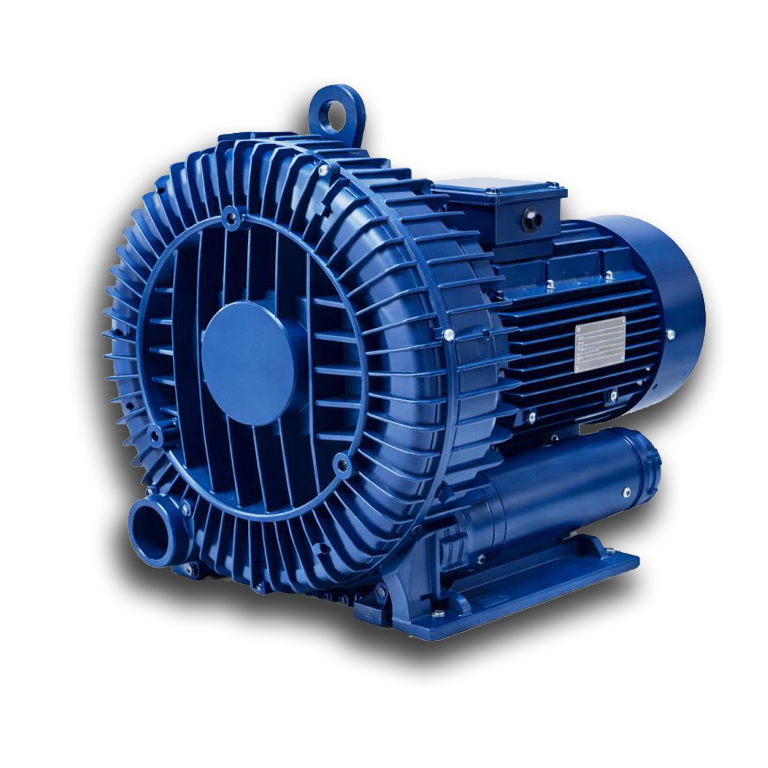
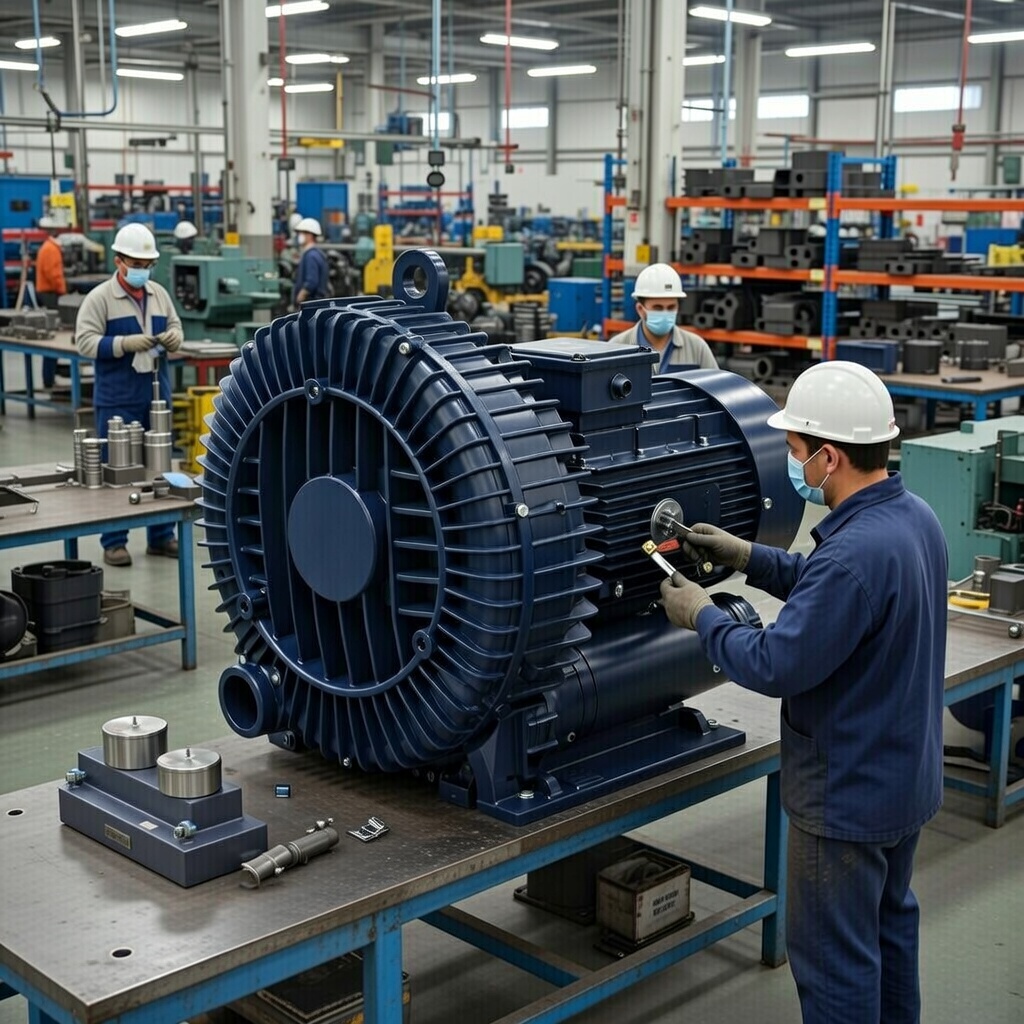
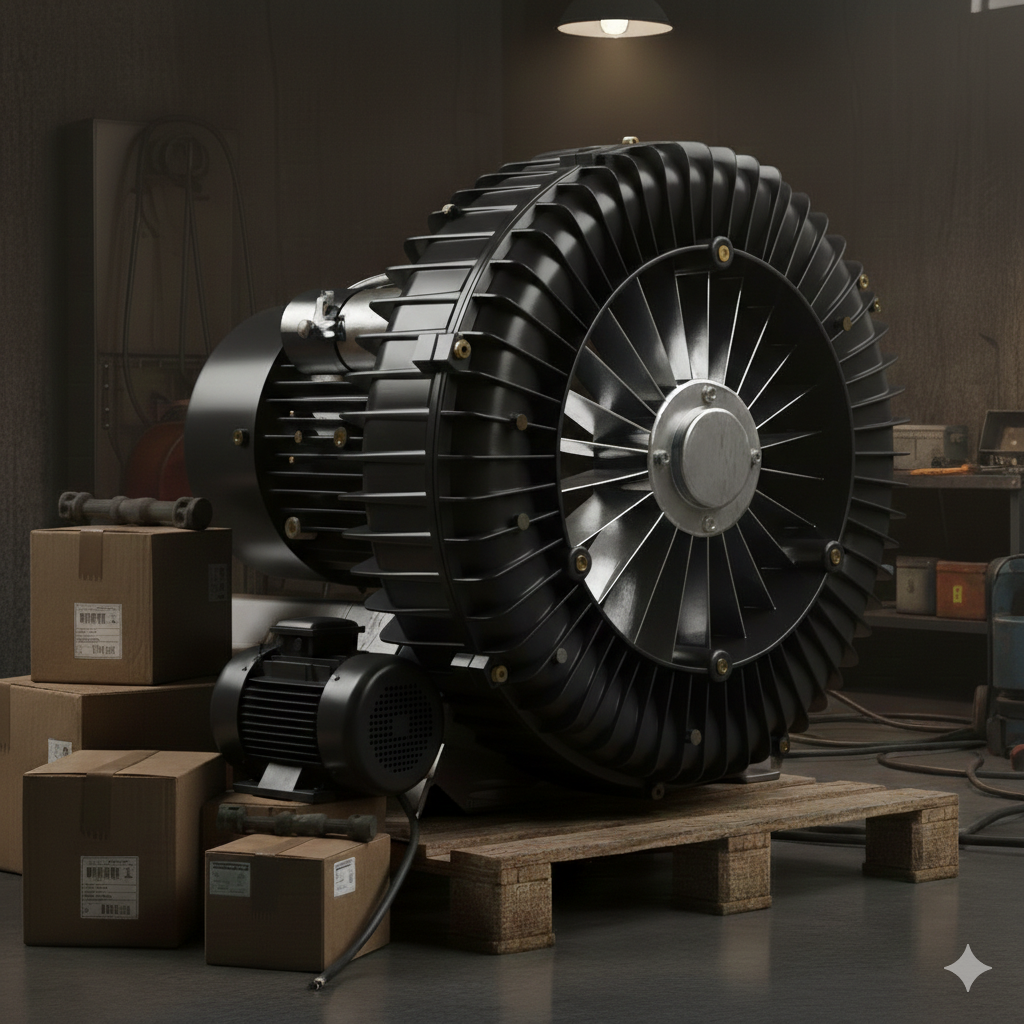
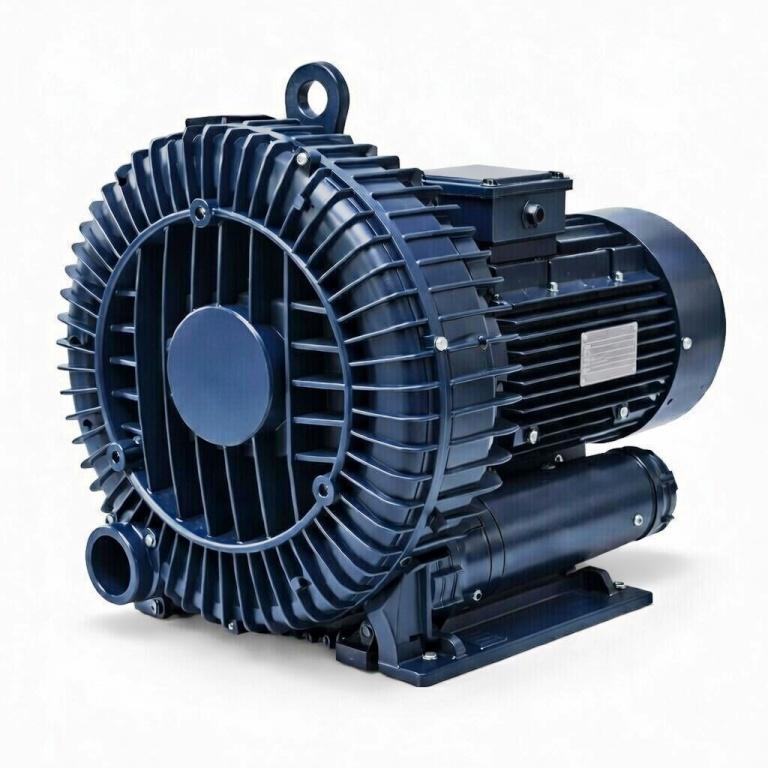
Ring Blowers (Side Channel / Regenerative Blowers)
- Oil-free air
- Low noise and vibration
- Continuous operation
- Pressure + vacuum capability
- Compact installation
Compressors
- Instrument air
- Pneumatic power
- Automation systems
Vacuum Pumps
- Process vacuum
- Handling systems
- Packaging applications
Filtration and Air Treatment
- Moisture removal
- Particle filtration
- Air purification
Energy and Efficiency Perspective
Air utilities are major energy consumers in manufacturing plants.
Modern optimisation includes:
- Variable frequency drives (VFDs)
- Smart airflow control
- Leak detection systems
- Digital monitoring
- Energy analytics
Efficient air utilities = major energy savings.
Digitisation of Air Utilities
Air systems are becoming intelligent digital utilities through:
- IoT sensors
- SCADA integration
- Digital twins
- AI optimisation
- Predictive maintenance
This transforms air from a cost centre into a strategic operational asset.
ESG and Sustainability Role
Environmental
- Reduced energy consumption
- Oil-free systems
- Lower carbon footprint
- Cleaner production
Social
- Safe work environments
- Noise reduction
- Clean air exposure
- Worker well-being
Governance
- Compliance
- Monitoring systems
- Transparency
- Reporting accuracy
Air utilities support sustainable manufacturing ecosystems.
Economic Value of Air as a Utility
CAPEX Value
- Modular infrastructure
- Scalable systems
- Reduced installation complexity
OPEX Value
- Energy optimisation
- Low maintenance
- High reliability
ROI Impact
- Productivity gains
- Reduced downtime
- Lower scrap
- Higher output quality
Future of Air Utilities in Manufacturing
Future factories will treat air as:
- A digital utility
- A smart infrastructure layer
- A sustainability driver
- An energy-managed resource
- A core operational system
Air will be managed like power grids and data networks.
Strategic Perspective
Air as a utility is no longer optional—it is foundational to modern manufacturing.
It enables:
- Smart factories
- Industry 4.0
- Green manufacturing
- Automation ecosystems
- Digital industrialisation
Conclusion
Air is no longer just a supporting resource—it is a strategic manufacturing utility.
From automation and process control to digital transformation and sustainability, air systems now define industrial performance.
Manufacturers that treat air as a managed utility—not just equipment—will achieve:
- Higher efficiency
- Lower costs
- Better quality
- Greater sustainability
- Stronger competitiveness
Air as a utility is the foundation of the future factory.

Leave A Comment