

Air Systems for Battery Manufacturing Plants
Introduction
Battery manufacturing is at the core of the global energy transition. From electric vehicles (EVs) and renewable energy storage to consumer electronics and industrial backup systems, demand for high-performance batteries is rising rapidly. As battery production scales up, air systems have become a critical infrastructure component for ensuring product quality, safety, efficiency, and sustainability.
Modern battery manufacturing plants require precision-controlled air flows, clean air environments, vacuum systems, and pressure systems to support sensitive processes such as electrode production, coating, drying, assembly, and testing.
This blog explores the strategic role of industrial air systems in battery manufacturing plants, highlighting how advanced air technologies enable efficiency, safety, quality control, and future-ready production.
Why Air Systems Are Critical in Battery Manufacturing
Battery production is not just mechanical—it is a highly controlled chemical and material process. Even minor contamination, moisture, dust, or airflow instability can lead to:
- Product defects
- Reduced battery life
- Safety risks
- Performance degradation
- Production losses
Air systems play a vital role in:
- Maintaining clean room conditions
- Controlling humidity and moisture
- Ensuring dust-free environments
- Supporting vacuum and pressure processes
- Enabling safe material handling
Core Functions of Air Systems in Battery Plants
1. Clean Air Generation
Battery components such as electrodes and separators are highly sensitive to contamination.
Air systems ensure:
- Particle-free airflow
- Filtered clean air supply
- Stable airflow distribution
- Controlled air circulation
Result: High product purity and consistent manufacturing quality.
2. Humidity and Moisture Control
Moisture is one of the biggest threats in lithium-ion and advanced battery production.
Air systems support:
- Dry room operations
- Dehumidification integration
- Controlled humidity zones
- Moisture-free air supply
Result: Enhanced battery stability, safety, and lifespan.
3. Vacuum Systems
Vacuum processes are essential in:
- Electrode coating
- Material transfer
- Cell assembly
- Electrolyte filling
- Degassing
Air systems enable:
- Stable vacuum generation
- Oil-free vacuum supply
- Continuous operation
- Precision control
Result: Higher process accuracy and reduced defect rates.
4. Pressure Systems
Pressure air is required for:
- Pneumatic conveying
- Drying processes
- Cooling systems
- Packaging operations
- Equipment actuation
Air systems provide:
- Stable pressure delivery
- Energy-efficient airflow
- Noise-controlled operation
Result: Reliable plant-wide operations.
Key Air System Technologies for Battery Manufacturing
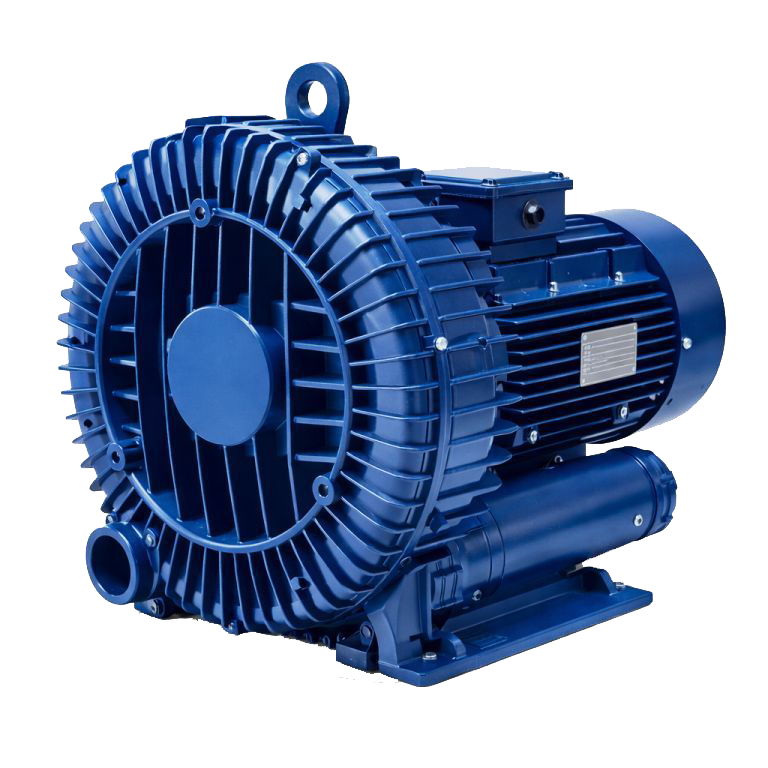
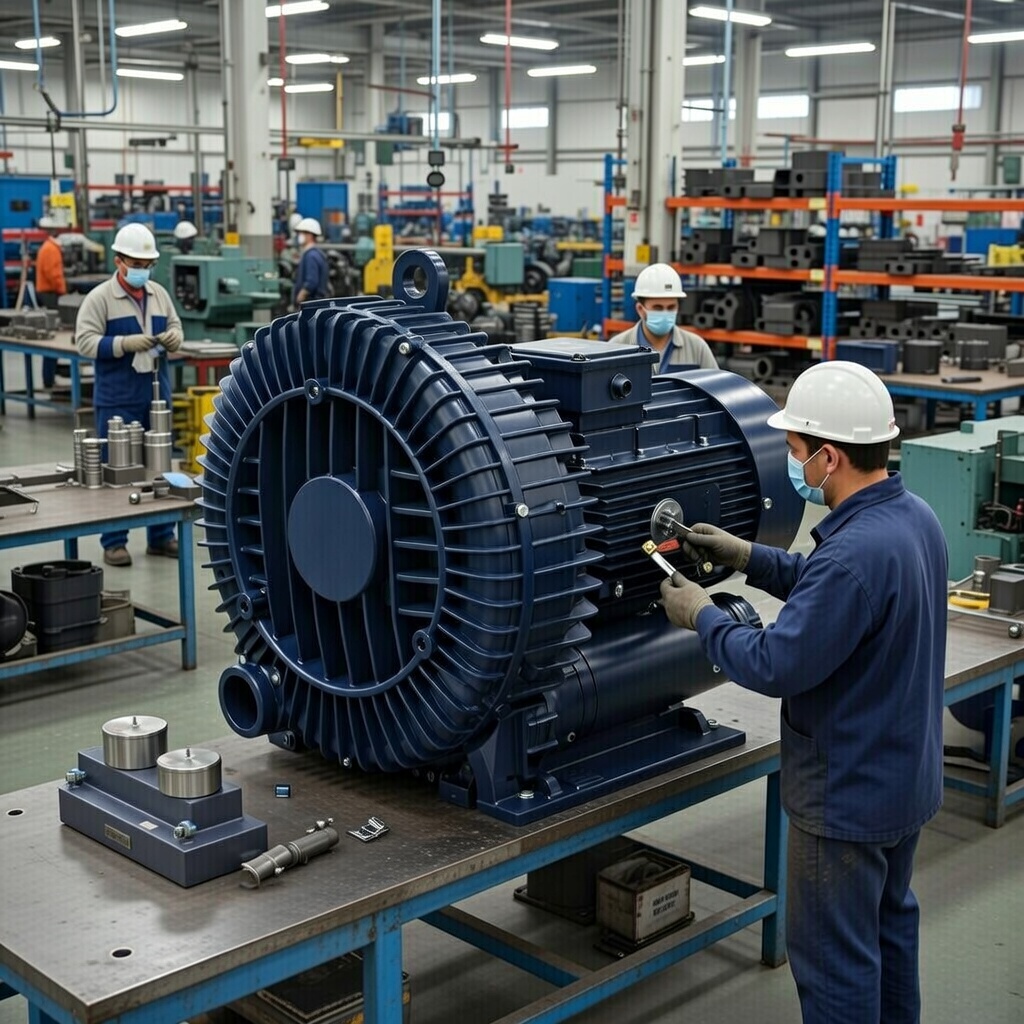
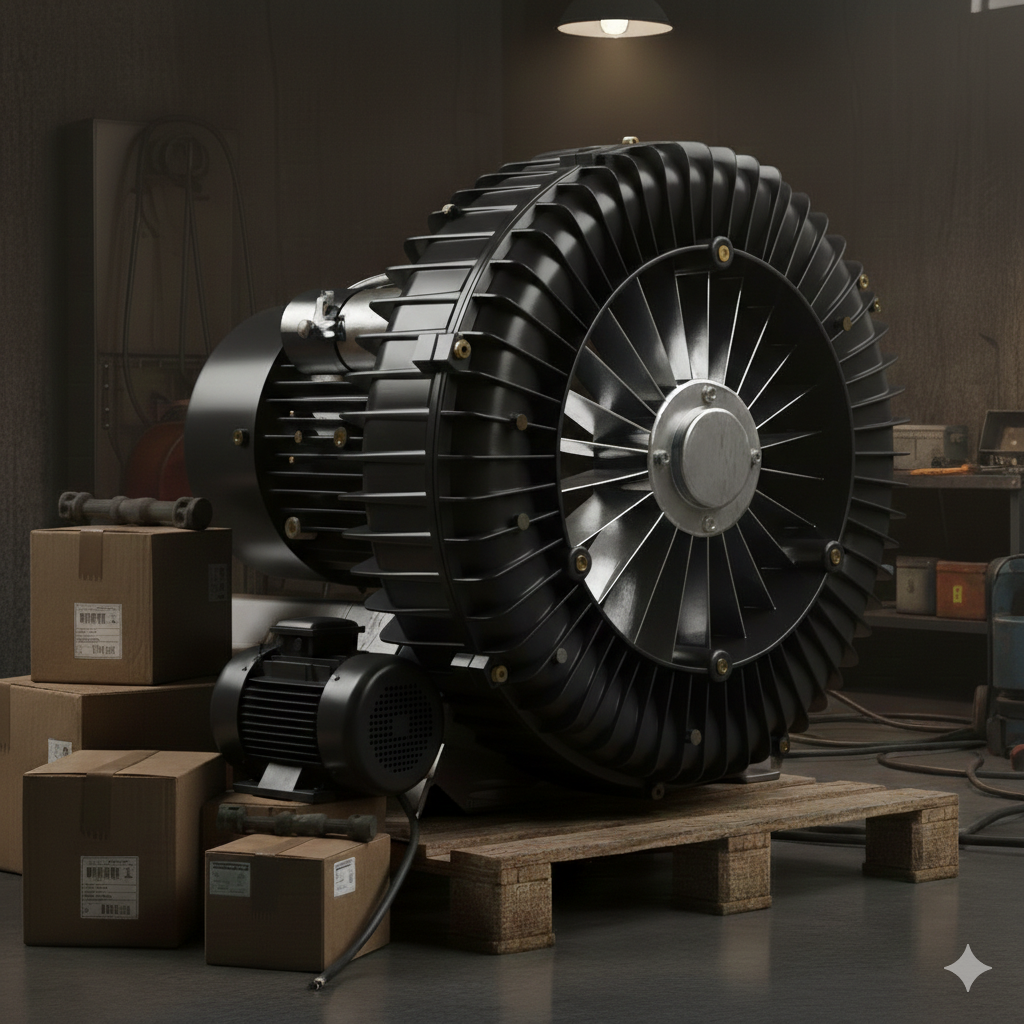
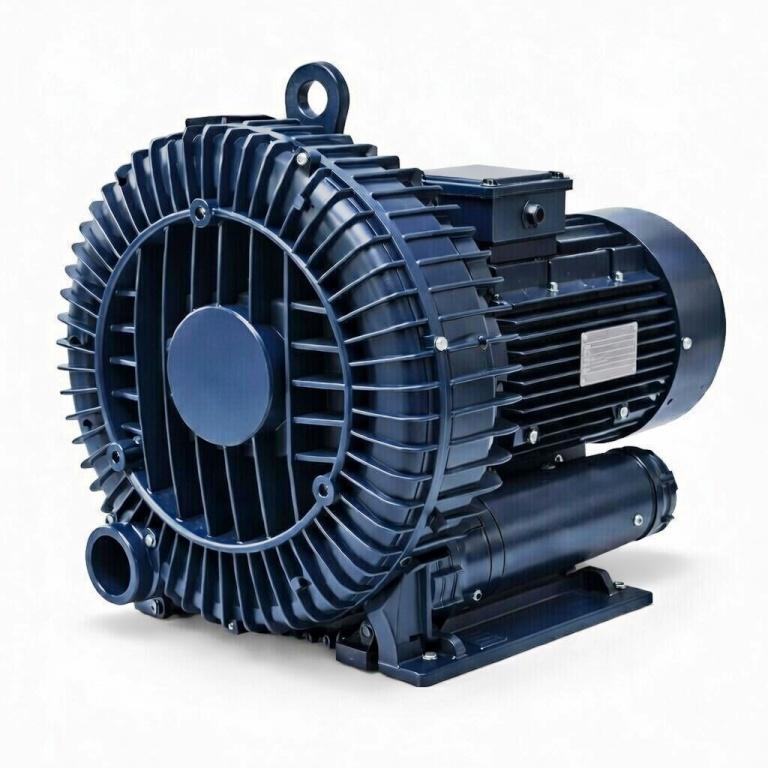
Ring Blowers (Side Channel Blowers / Regenerative Blowers)
Ring blowers play a central role due to their:
- Oil-free air delivery
- Low vibration and noise
- Continuous duty operation
- Compact design
- Dual pressure and vacuum capability
Applications include:
- Clean air supply
- Vacuum handling
- Drying air
- Cooling air
- Material conveying
Industrial Compressors
Used for:
- Pneumatic tools
- Automation systems
- Instrument air
- Process actuation
Vacuum Pumps
Used for:
- Electrolyte filling
- Degassing
- Sealing processes
- Cell formation stages
Filtration & Air Treatment Systems
Essential for:
- Particle removal
- Moisture control
- Contaminant filtration
- Clean room compliance
Digital Air Systems & Smart Manufacturing
Modern battery plants integrate smart air systems using digital technologies:
- IoT sensors
- Real-time airflow monitoring
- Energy analytics
- Predictive maintenance
- AI-based optimisation
This enables:
- Energy optimisation
- Process stability
- Fault prediction
- Downtime reduction
- Smart factory integration
Air systems become intelligent infrastructure assets, not just utilities.
ESG & Sustainability in Battery Plant Air Systems
Environmental Impact
- Energy-efficient air generation
- Oil-free systems
- Low carbon footprint
- Reduced emissions
Social Impact
- Safer working environments
- Clean air for workers
- Noise reduction
- Improved occupational health
Governance Impact
- Regulatory compliance
- Environmental standards
- Process transparency
- Digital monitoring
Air systems directly support green battery manufacturing.
Applications Across the Battery Production Chain
Raw Material Handling
- Dust-free conveying
- Clean air separation
- Safe powder handling
Electrode Manufacturing
- Coating airflow
- Drying air
- Vacuum handling
Cell Assembly
- Clean room air
- Vacuum processes
- Precision airflow
Formation & Testing
- Cooling air
- Thermal management
- Controlled environments
Packaging & Storage
- Dry air supply
- Moisture control
- Clean packaging air
Economic Value of Advanced Air Systems
CAPEX Efficiency
- Modular installation
- Scalable design
- Compact infrastructure
- Low installation cost
OPEX Optimisation
- Energy savings
- Low maintenance
- High reliability
- Long service life
ROI Acceleration
- Improved yield
- Reduced scrap
- Lower downtime
- Higher productivity
Future-Ready Battery Manufacturing Plants
With advanced air systems, battery plants evolve into:
- Smart factories
- Green manufacturing units
- ESG-compliant plants
- Digitally monitored operations
- High-efficiency production ecosystems
Strategic Role of Air Systems in Energy Transition
Air systems are not just utilities—they are enablers of clean energy transformation.
They support:
- EV manufacturing growth
- Renewable energy storage
- Sustainable mobility
- De carbonation goals
- Global energy transition
Conclusion
Battery manufacturing plants demand extreme precision, cleanliness, safety, and efficiency. Air systems form the invisible backbone of these facilities.
From clean air generation and moisture control to vacuum handling and smart digital integration, advanced industrial air systems are essential for reliable, scalable, and sustainable battery production.
As the world moves toward electrification and clean energy, air systems will remain a strategic infrastructure pillar of next-generation battery manufacturing plants.

Leave A Comment