

Airflow Solutions for Recycling Plants
Introduction
Recycling plants are the backbone of the circular economy. They transform waste into valuable resources, reduce landfill pressure, conserve natural materials, and support sustainable industrial growth. However, modern recycling operations face major challenges—dust pollution, air contamination, inefficient material handling, energy losses, and worker safety risks.
To overcome these challenges, advanced airflow solutions have become essential infrastructure for recycling plants. From dust control and air separation to material conveying and environmental management, airflow systems play a central role in making recycling plants efficient, safe, and sustainable.
This blog explores how industrial airflow solutions enable high-performance recycling plants, improve operational efficiency, enhance safety, and support green manufacturing goals.
Why Airflow Systems Are Critical in Recycling Plants
Recycling facilities handle complex material streams including:
- Plastics
- Paper
- Metals
- Glass
- E-waste
- Organic waste
- Industrial scrap
These processes generate:
- Heavy dust loads
- Airborne contaminants
- Fine particles
- Odors and fumes
- Heat accumulation
Airflow solutions are essential to:
- Control dust
- Maintain clean environments
- Enable material separation
- Support safe operations
- Improve air quality
Core Functions of Airflow Solutions
1. Dust Control and Extraction
Recycling plants generate high dust volumes from shredding, crushing, and sorting operations.
Airflow systems provide:
- Dust extraction
- Air filtration
- Particle capture
- Clean exhaust management
Result: Cleaner plants and safer working conditions.
2. Air-Based Material Separation
Airflow enables:
- Density separation
- Air classifiers
- Light/heavy material sorting
- Plastic film separation
Result: Higher sorting accuracy and better material recovery.
3. Pneumatic Conveying
Airflow systems support:
- Material transport
- Dust-free conveying
- Powder and flake movement
- Granule handling
Result: Efficient and clean material flow.
4. Odor and Fume Control
Air systems help manage:
- Odor extraction
- Fume removal
- Air circulation
- Environmental ventilation
Result: Healthier plant environments.
Key Airflow Technologies for Recycling Plants
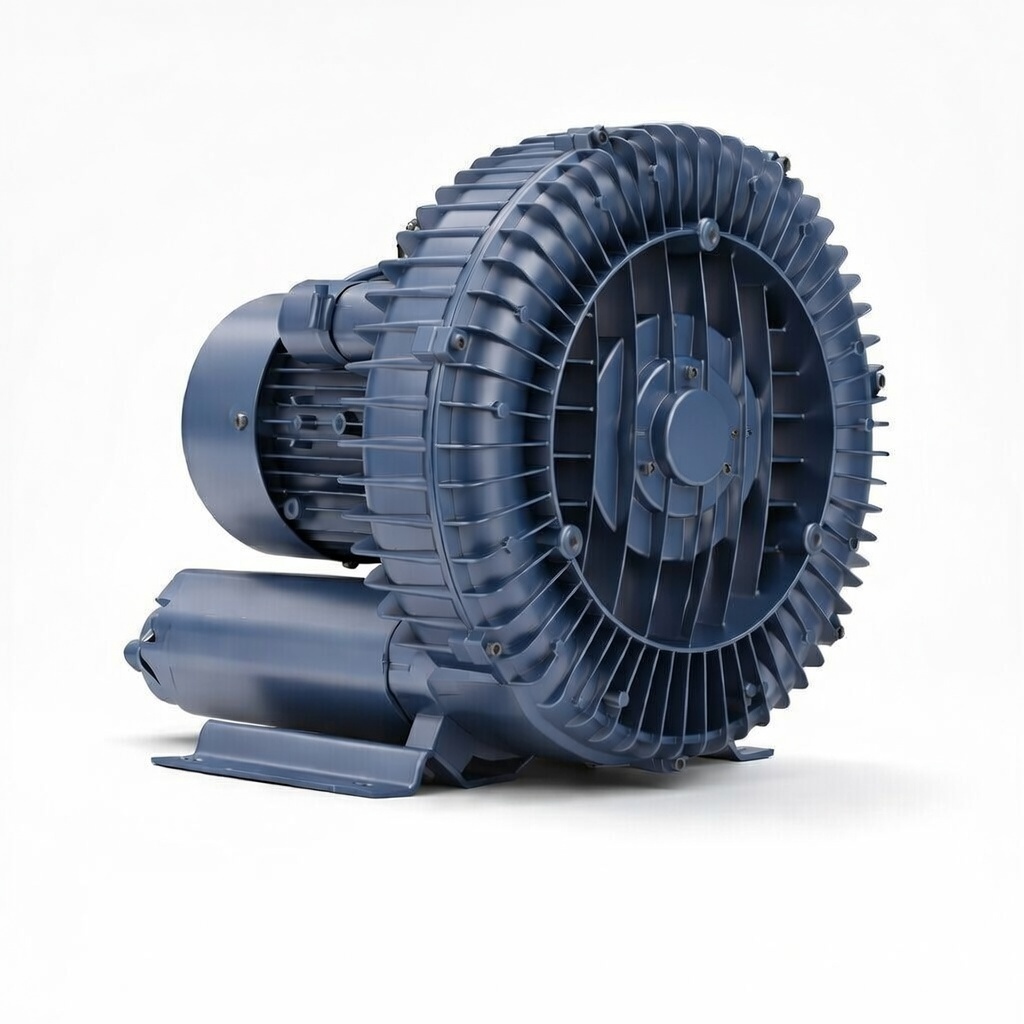
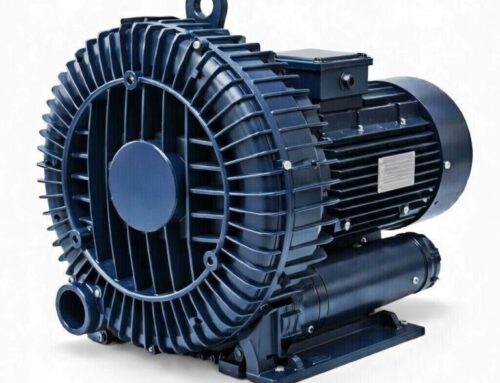
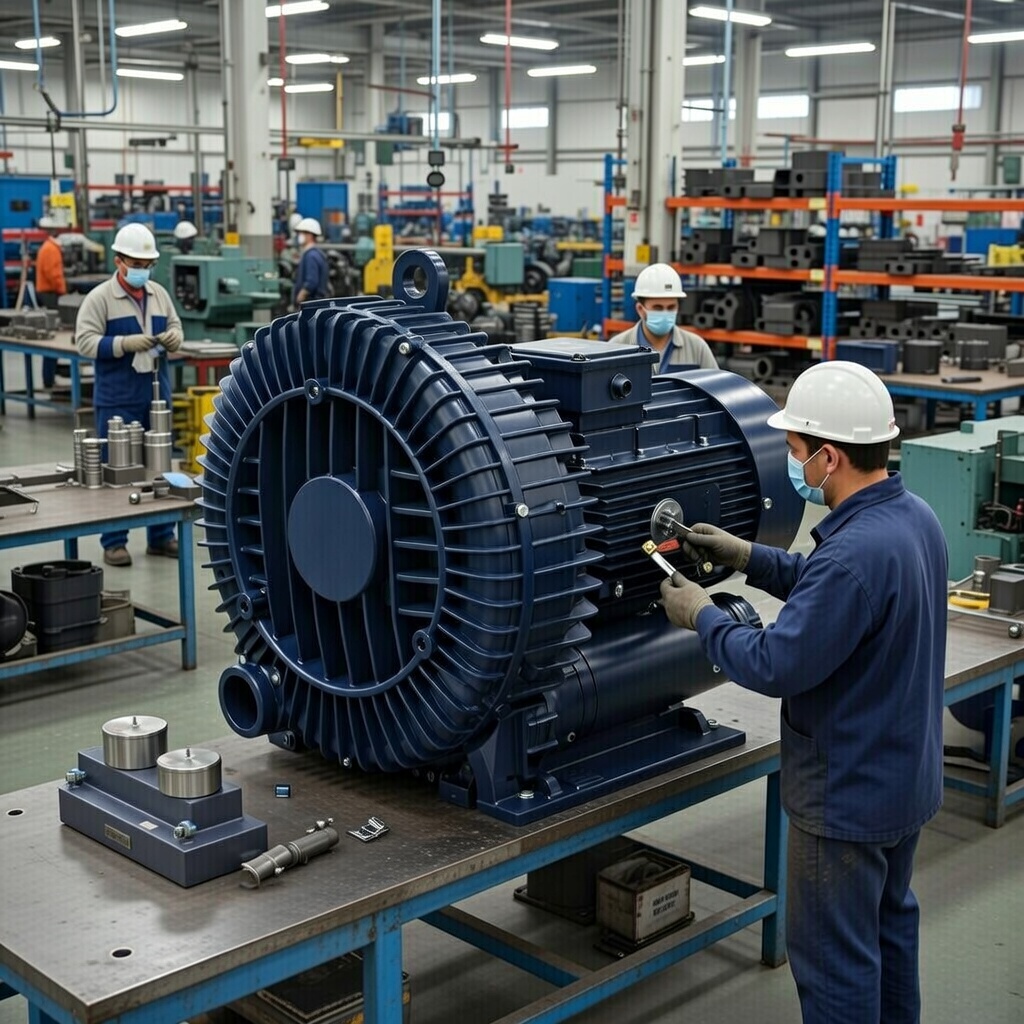
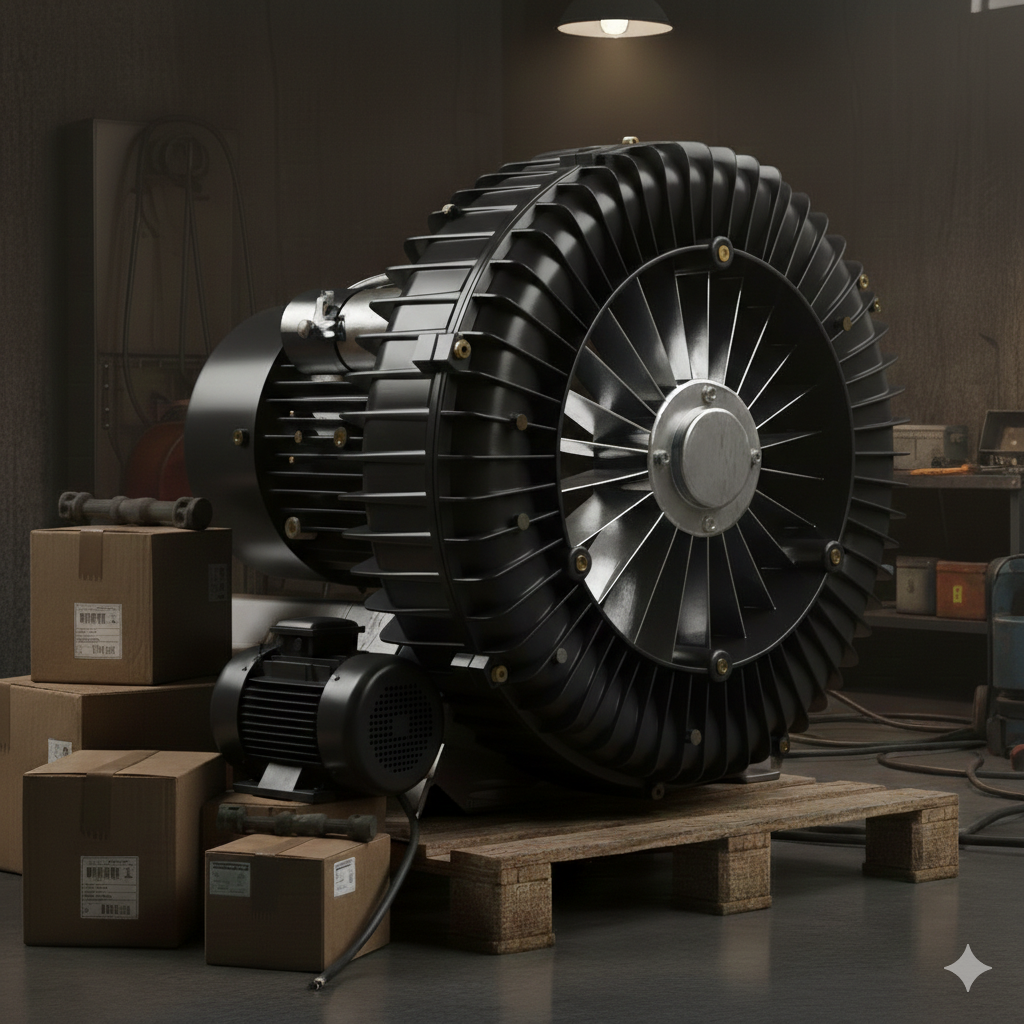
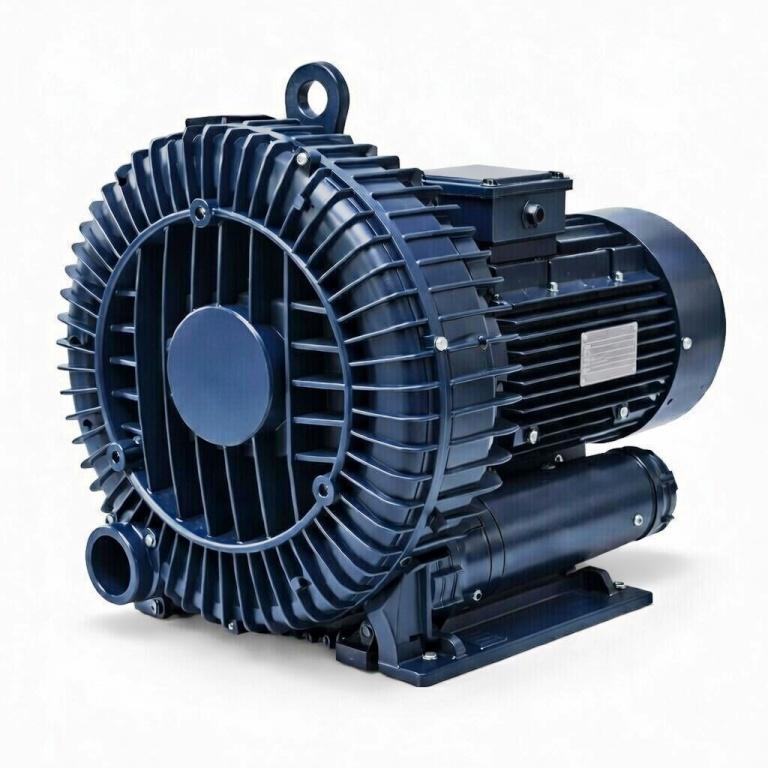
Ring Blowers (Side Channel / Regenerative Blowers)
Ring blowers are ideal for recycling plants due to:
- Oil-free air delivery
- Continuous duty operation
- Low noise and vibration
- Pressure and vacuum capability
- Compact installation
Applications include:
- Air separation
- Dust extraction
- Pneumatic conveying
- Cooling air
- Clean air supply
Industrial Fans & Exhaust Systems
Used for:
- Ventilation
- Heat removal
- Odor control
- Air circulation
Vacuum Systems
Used for:
- Dust collection
- Fine particle removal
- Waste extraction
- Clean floor systems
Filtration Systems
Used for:
- Particle filtration
- Air purification
- Emission control
- Environmental compliance
Smart Airflow Systems & Digital Recycling Plants
Modern recycling plants integrate smart airflow systems:
- IoT-based sensors
- Air quality monitoring
- Energy analytics
- Predictive maintenance
- Digital dashboards
Benefits include:
- Energy optimisation
- Reduced downtime
- Process stability
- Environmental monitoring
- Smart plant management
ESG & Sustainability Impact
Environmental
- Dust emission reduction
- Cleaner air discharge
- Energy-efficient airflow
- Carbon footprint reduction
Social
- Worker health protection
- Safer environments
- Noise reduction
- Improved working conditions
Governance
- Regulatory compliance
- Environmental reporting
- Digital monitoring
- Operational transparency
Airflow solutions are core to green recycling infrastructure.
Application Areas in Recycling Plants
Plastic Recycling
- Film separation
- Dust control
- Flake conveying
- Air classification
Metal Recycling
- Fume extraction
- Dust capture
- Cooling airflow
- Sorting air systems
E-Waste Recycling
- Particle extraction
- Clean room airflow
- Fume control
- Dust-free handling
Paper Recycling
- Fiber separation
- Dust extraction
- Air conveying
- Drying airflow
Organic Waste Processing
- Odor control
- Ventilation
- Bio-air systems
- Air circulation
Economic Value of Airflow Solutions
CAPEX Benefits
- Modular systems
- Scalable infrastructure
- Compact installation
OPEX Benefits
- Energy efficiency
- Low maintenance
- High reliability
ROI Impact
- Improved material recovery
- Reduced downtime
- Lower health risks
- Higher productivity
Future-Ready Recycling Plants
With advanced airflow systems, recycling plants become:
- Smart facilities
- ESG-compliant plants
- Energy-efficient operations
- Digitally monitored ecosystems
- Sustainable processing centers
Strategic Role of Airflow in Circular Economy
Airflow solutions enable:
- Resource recovery
- Waste-to-value transformation
- Sustainable material cycles
- Clean industrial processes
- Circular manufacturing ecosystems
Conclusion
Recycling plants cannot operate efficiently without advanced airflow systems. From dust control and material separation to smart monitoring and ESG compliance, airflow solutions form the operational backbone of modern recycling infrastructure.
By investing in intelligent, energy-efficient airflow technologies, recycling plants can achieve:
- Higher efficiency
- Cleaner operations
- Safer environments
- Better material recovery
- Sustainable growth
Airflow solutions are not just support systems—they are strategic assets in the circular economy.

Leave A Comment