

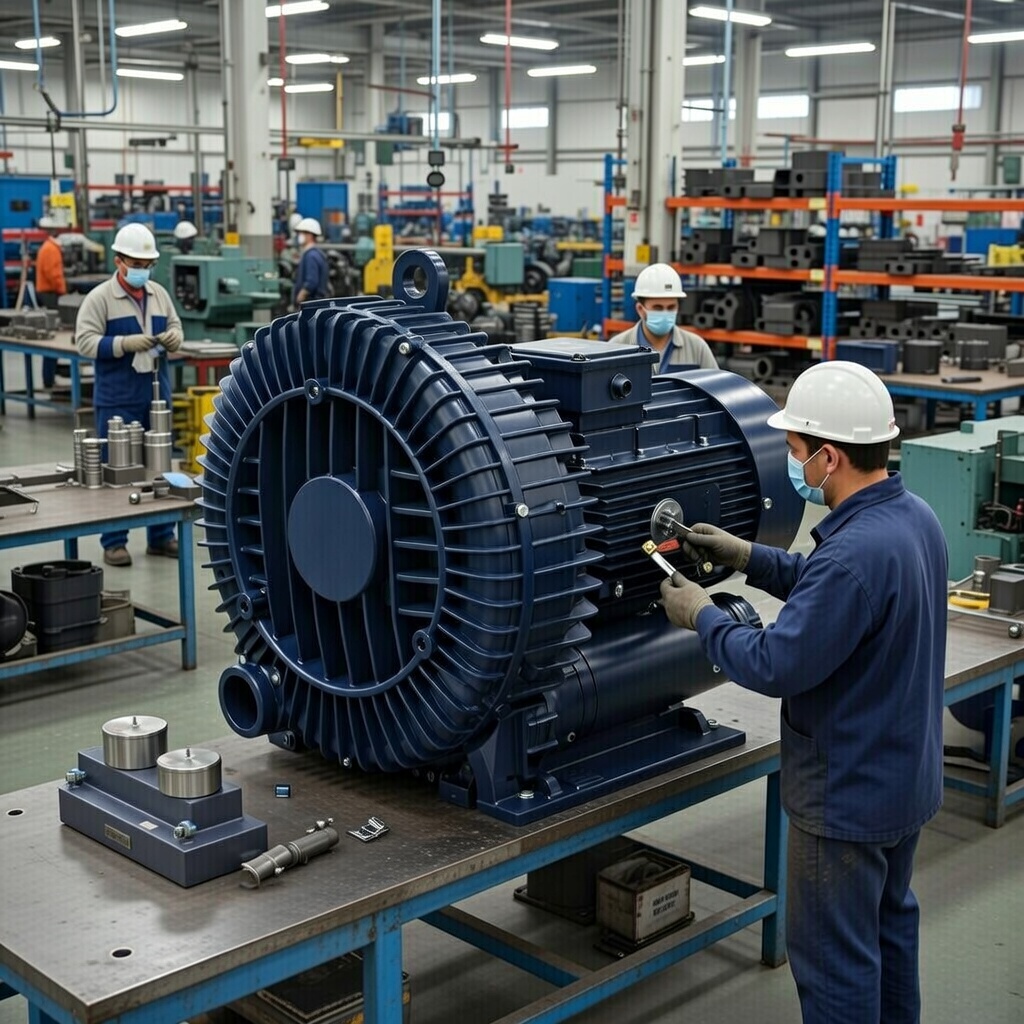
How Energy-Efficient Blowers Can Reduce Operating Costs in Your Facility
Introduction
Energy costs are one of the largest operational expenses in modern industrial facilities. From manufacturing plants and processing units to utilities and infrastructure systems, a significant portion of electricity consumption is driven by air systems—especially industrial blowers. Yet, many facilities continue to operate with outdated, inefficient blower systems that consume excessive power and increase operational costs.
Energy-efficient blowers are transforming industrial operations by delivering the same (or higher) performance with significantly lower energy consumption. They are not just equipment upgrades—they are strategic investments that directly impact profitability, sustainability, and long-term business stability.
This article explores how energy-efficient blowers reduce operating costs, improve system performance, and create long-term financial and operational benefits for industrial facilities.
The Role of Blowers in Industrial Energy Consumption
Industrial blowers support critical processes such as:
- Pneumatic conveying
- Aeration systems
- Cooling processes
- Drying operations
- Vacuum handling
- Dust extraction
- Filtration systems
- Process air supply
In many facilities, air systems account for 20–40% of total electricity usage. Inefficient blowers significantly increase energy bills without adding proportional value.
What Makes a Blower Energy-Efficient?
High-Efficiency Motors
Energy-efficient blowers use motors with optimised electrical design, reduced losses, and high efficiency ratings.
Aerodynamic Impeller Design
Advanced impeller geometry improves airflow efficiency and reduces turbulence.
Optimised Airflow Path
Streamlined internal airflow reduces resistance and energy waste.
Precision Engineering
Balanced rotating components reduce mechanical losses and friction.
Variable Speed Capability
Integration with variable frequency drives (VFDs) allows speed control based on demand.
Smart Control Systems
Automated systems adjust airflow dynamically based on process requirements.
Direct Cost Reduction Benefits
Lower Electricity Bills
Reduced power consumption directly lowers monthly energy costs.
Reduced Peak Load Charges
Efficient systems reduce peak demand, lowering demand charges from utilities.
Lower Maintenance Costs
Efficient blowers experience less mechanical stress, reducing maintenance frequency.
Fewer Breakdowns
Stable operation reduces downtime-related financial losses.
Longer Equipment Life
Lower operating stress extends service life and replacement cycles.
Operational Efficiency Improvements
Energy-efficient blowers improve:
- Process stability
- Production consistency
- System reliability
- Equipment coordination
- Automation performance
- Airflow precision
This leads to smoother operations and fewer disruptions.
Energy Efficiency and Sustainability
Modern industries are under pressure to meet sustainability and ESG targets. Energy-efficient blowers support these goals by:
- Reducing carbon emissions
- Lowering energy waste
- Supporting green manufacturing
- Improving environmental compliance
- Reducing noise pollution
- Minimising resource consumption
Sustainable air systems are now part of corporate responsibility strategies.
Smart Manufacturing Integration
Energy-efficient blowers integrate seamlessly into smart factory systems through:
- IoT sensors
- Energy monitoring platforms
- Predictive maintenance systems
- Automated control loops
- Digital dashboards
This enables data-driven optimisation and intelligent energy management.
Industry-Specific Cost Impact
Manufacturing Plants
Reduced energy costs per production unit.
Water & Wastewater Treatment
Lower aeration power consumption.
Food & Beverage Processing
Efficient drying and packaging systems.
Pharmaceutical Industry
Optimised clean room airflow management.
Textile Industry
Energy-efficient drying and conveying.
Recycling Plants
Lower operational costs in air separation systems.
ROI of Energy-Efficient Blower Systems
Investing in energy-efficient blowers delivers measurable ROI through:
- Monthly energy savings
- Reduced maintenance costs
- Increased up time
- Lower operational risks
- Extended equipment life
- Improved productivity
Most facilities achieve payback within 1–3 years, depending on operating hours and system size.
Selection Strategy for Maximum Savings
When choosing energy-efficient blowers, facilities should evaluate:
- Power consumption per airflow unit
- System efficiency ratings
- Motor efficiency class
- Airflow-pressure matching
- Control system compatibility
- Scalability
- Life cycle cost
This ensures long-term savings instead of short-term procurement decisions.
Future-Proofing Facility Operations
Energy-efficient blower systems support:
- Automation growth
- Digital transformation
- Smart factories
- Sustainable manufacturing
- Energy optimisation programs
- Carbon neutrality goals
They create resilient, future-ready industrial operations.
Conclusion
Energy-efficient blowers are not just technical upgrades—they are financial and strategic investments. By reducing electricity consumption, lowering maintenance costs, improving reliability, and supporting sustainability goals, they directly reduce operating costs across industrial facilities.
In an era of rising energy prices and increasing sustainability demands, investing in energy-efficient air systems is one of the smartest decisions a facility can make. The right blower technology transforms air systems from energy liabilities into cost-saving operational assets.
This article is designed for plant managers, engineers, facility managers, and industrial decision-makers seeking to reduce operating costs through smarter energy-efficient air systems.

Leave A Comment