

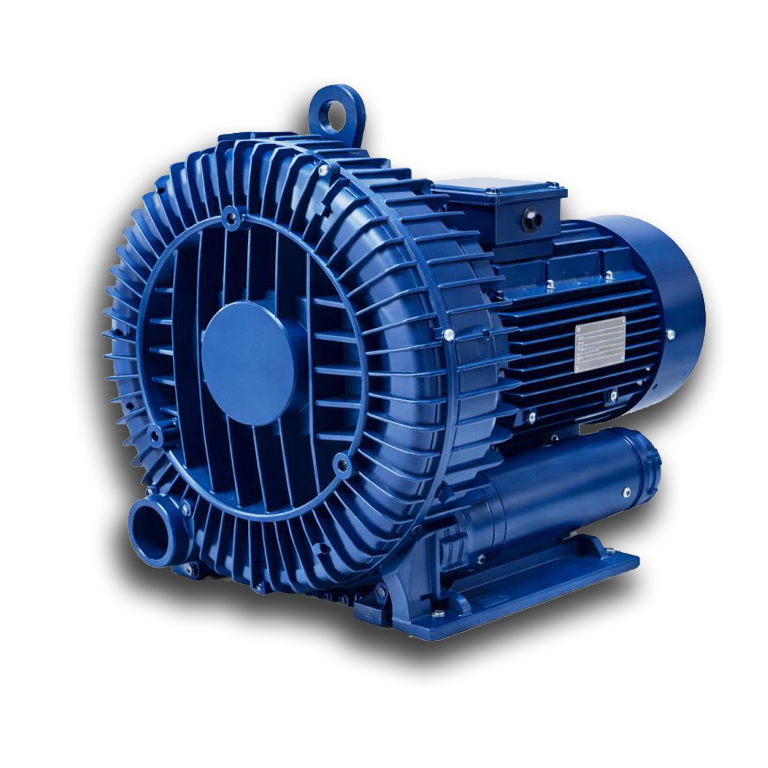
How Ring Blowers Boost Efficiency in Industrial Air Systems
Introduction
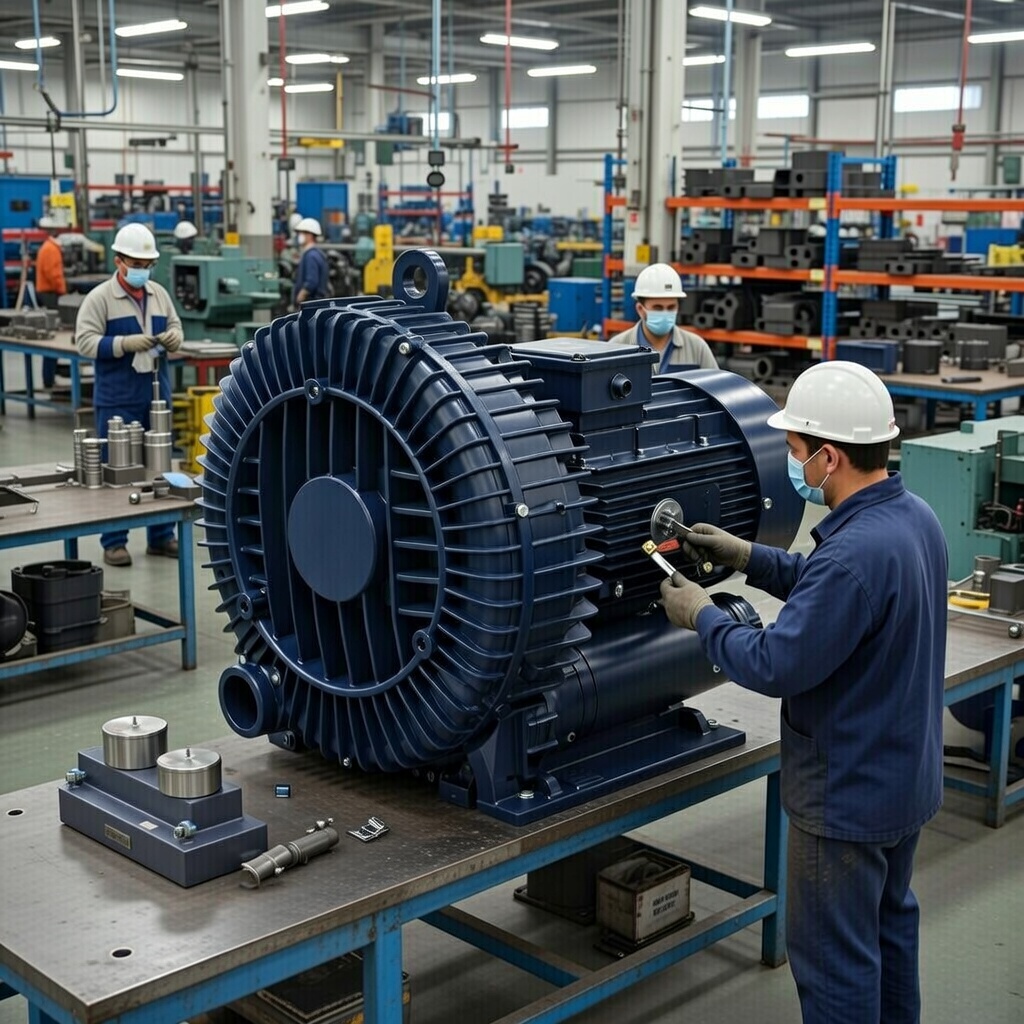
Modern industries rely heavily on efficient, reliable, and sustainable air systems to power their operations. From manufacturing plants and wastewater treatment facilities to food processing units and clean room environments, industrial air systems play a critical role in productivity, safety, and operational stability. Among the most advanced technologies transforming these systems today are ring blowers (also known as side channel blowers or regenerative blowers).
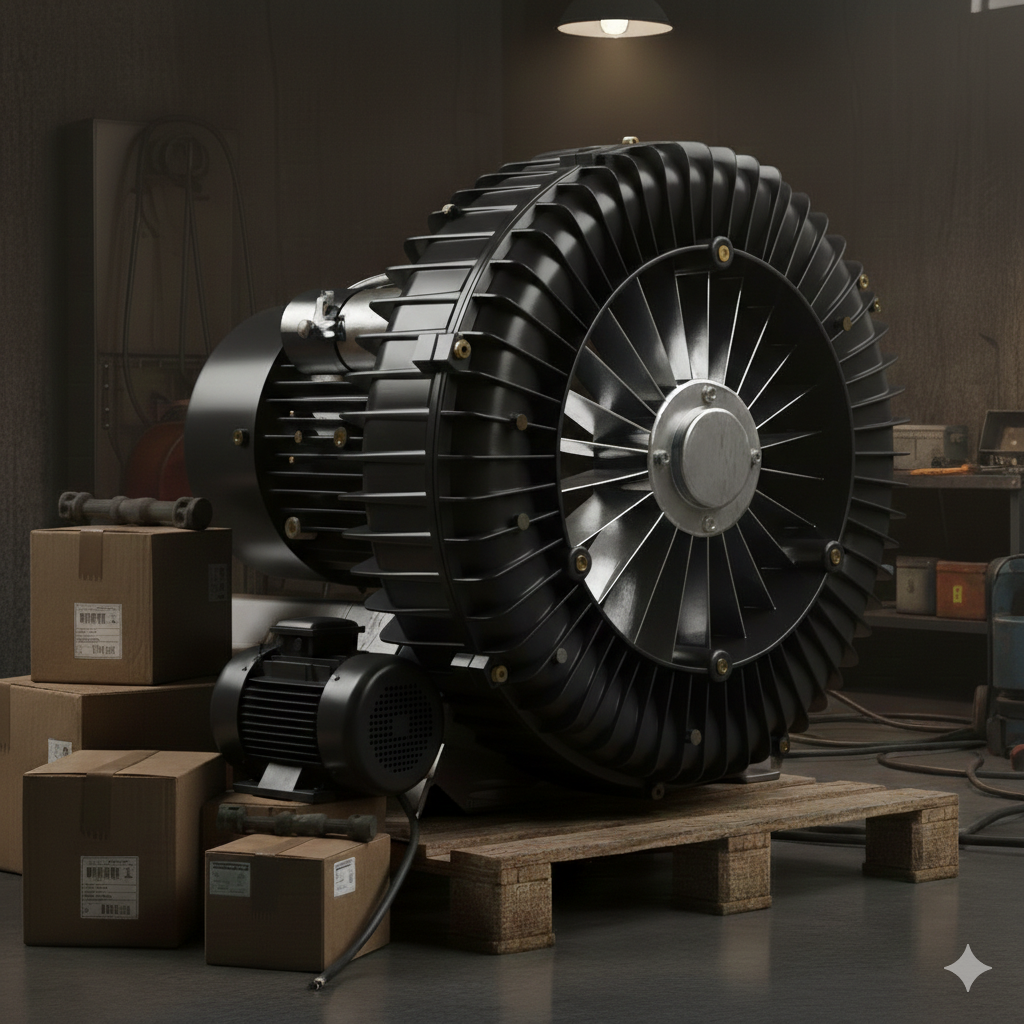
Ring blowers are specifically designed to deliver clean, oil-free, and continuous airflow with high efficiency and minimal maintenance. Their unique operating principle, compact design, and long service life make them an ideal solution for industries aiming to reduce energy consumption, improve process reliability, and optimise overall system performance.
This blog explores how ring blowers significantly enhance efficiency in industrial air systems and why they are becoming a preferred choice for modern industrial infrastructure.
Understanding Ring Blower Technology
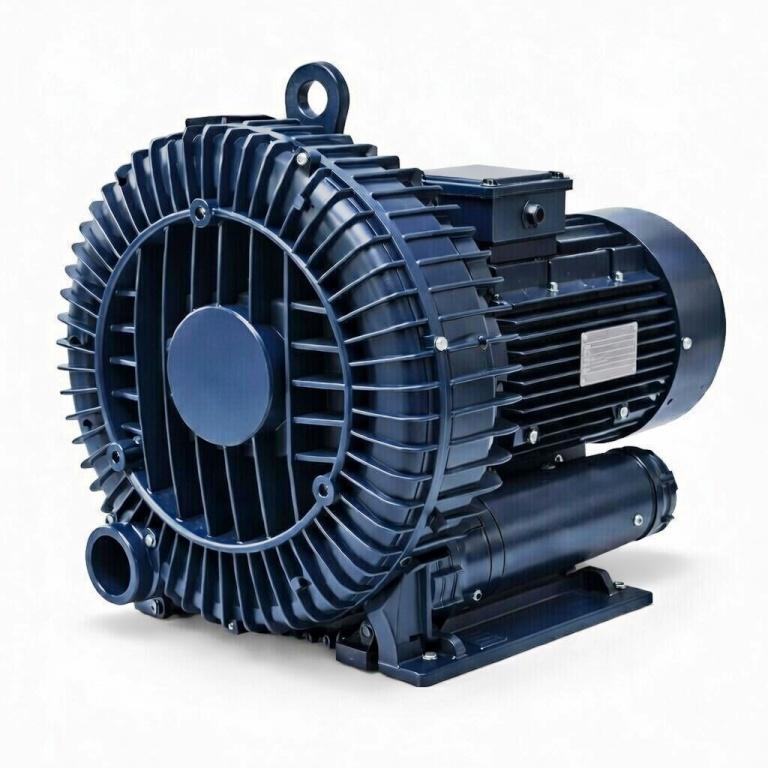
Ring blowers operate on the principle of regenerative airflow. Air enters the blower through an inlet port and is accelerated by a high-speed impeller rotating within a specially designed ring-shaped channel. The air circulates multiple times within this channel, gaining energy repeatedly through centrifugal force before exiting as pressurised air or vacuum.
This regenerative process allows ring blowers to produce:
- Stable and consistent airflow
- Medium pressure and vacuum levels
- Pulsation-free air delivery
- High energy efficiency
Unlike conventional blowers or compressed air systems, ring blowers provide a balanced combination of pressure, flow, and efficiency in a single compact unit.
Key Ways Ring Blowers Improve Industrial Air System Efficiency
1. Energy Optimisation
Ring blowers are engineered for optimal aerodynamic performance. Their regenerative compression mechanism minimises energy losses, resulting in lower power consumption per unit of airflow compared to traditional air systems.
Efficiency impact:
- Reduced electricity costs
- Lower energy wastage
- Improved power-to-performance ratio
2. Oil-Free Airflow
Ring blowers operate without internal lubrication in the compression chamber, producing 100% oil-free air. This eliminates contamination risks and reduces the need for additional filtration systems.
Efficiency impact:
- Cleaner processes
- Reduced filtration maintenance
- Lower operational complexity
3. Continuous Duty Operation
Designed for 24/7 operation, ring blowers maintain stable performance even under continuous load conditions without overheating or performance drop.
Efficiency impact:
- No downtime from thermal overload
- Consistent process performance
- Reliable production output
4. Low Maintenance Requirements
With fewer moving parts and no internal oil systems, ring blowers require minimal maintenance compared to traditional blower technologies.
Efficiency impact:
- Reduced maintenance downtime
- Lower servicing costs
- Higher system availability
5. Pulsation-Free Air Delivery
Stable airflow without pressure fluctuations ensures process consistency, which is critical for sensitive industrial applications.
Efficiency impact:
- Improved product quality
- Reduced equipment stress
- Stable automation processes
6. Compact System Integration
Their compact footprint allows easy integration into existing industrial systems without major infrastructure changes.
Efficiency impact:
- Lower installation costs
- Space optimisation
- Flexible system design
7. Noise Reduction Engineering
Advanced impeller balancing and airflow design minimise vibration and operational noise.
Efficiency impact:
- Better working environment
- Reduced need for acoustic enclosures
- Compliance with industrial noise regulations
Applications Where Ring Blowers Drive Maximum Efficiency
Manufacturing Plants
- Pneumatic conveying
- Component cooling
- Dust extraction
- Material handling
Water & Wastewater Treatment
- Aeration systems
- Biological treatment oxygenation
- Sludge drying
- Filter back washing
Food & Beverage Industry
- Clean air supply
- Packaging automation
- Product drying
- Vacuum handling
Pharmaceutical & Medical
- Clean room air systems
- Sterile packaging
- Process air supply
Electronics & Semiconductor
- Cooling systems
- Clean air handling
- Precision vacuum applications
Environmental Systems
- Air sampling
- Pollution control
- Gas handling
Ring Blowers vs Conventional Air Systems
Compared to Compressed Air Systems
- Higher energy efficiency
- Lower operating cost
- Reduced energy waste
- Better long-term ROI
Compared to Roots Blowers
- Lower noise levels
- Oil-free operation
- Less maintenance
- Better energy efficiency for medium pressure applications
Compared to Centrifugal Fans
- Higher pressure capability
- Better vacuum generation
- More stable airflow
Role of Ring Blowers in Sustainable Industrial Design
Ring blowers support sustainable manufacturing goals by:
- Reducing carbon footprint through energy efficiency
- Eliminating oil contamination
- Lowering noise pollution
- Supporting ESG and green factory initiatives
- Enabling clean production environments
They play a key role in building environmentally responsible industrial ecosystems.
Smart Technologies in Modern Ring Blower Systems
Modern ring blower systems integrate advanced technologies such as:
- Variable Frequency Drives (VFDs)
- IoT-based monitoring
- Predictive maintenance systems
- Smart energy management
- Digital performance analytics
These features further enhance efficiency, reliability, and system intelligence.
Selection Factors for Maximum Efficiency
To achieve optimal efficiency, consider:
- Required airflow volume
- Pressure/vacuum levels
- Application type
- Continuous duty requirements
- Energy efficiency ratings
- Noise limits
- Environmental conditions
- Installation space
Proper selection ensures long-term performance and cost savings.
Conclusion
Ring blowers have become a cornerstone of efficient industrial air systems. Their regenerative operating principle, energy-efficient design, oil-free operation, and low maintenance requirements make them a superior alternative to conventional air technologies in many industrial applications.
By improving energy efficiency, reducing operational costs, enhancing system reliability, and supporting sustainable manufacturing practices, ring blowers play a critical role in the future of industrial air systems.
For industries seeking smarter, cleaner, and more efficient air solutions, ring blower technology offers a powerful pathway to long-term operational excellence.
This blog is suitable for industrial websites, knowledge hubs, SEO content marketing, and technical resource platforms.

Leave A Comment