

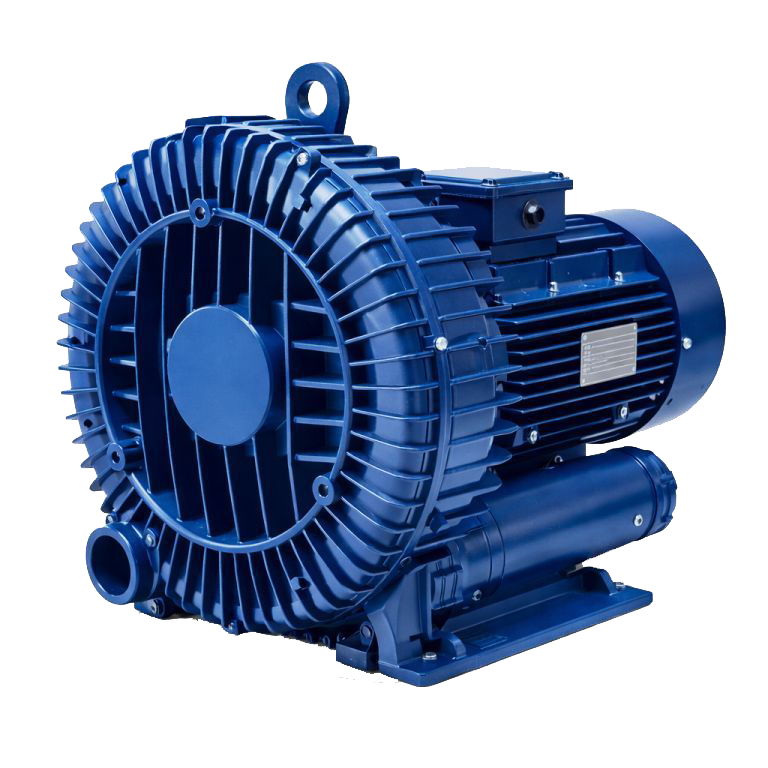
The Ultimate Guide to Industrial Side Channel Blowers: Features, Benefits & Applications
Introduction
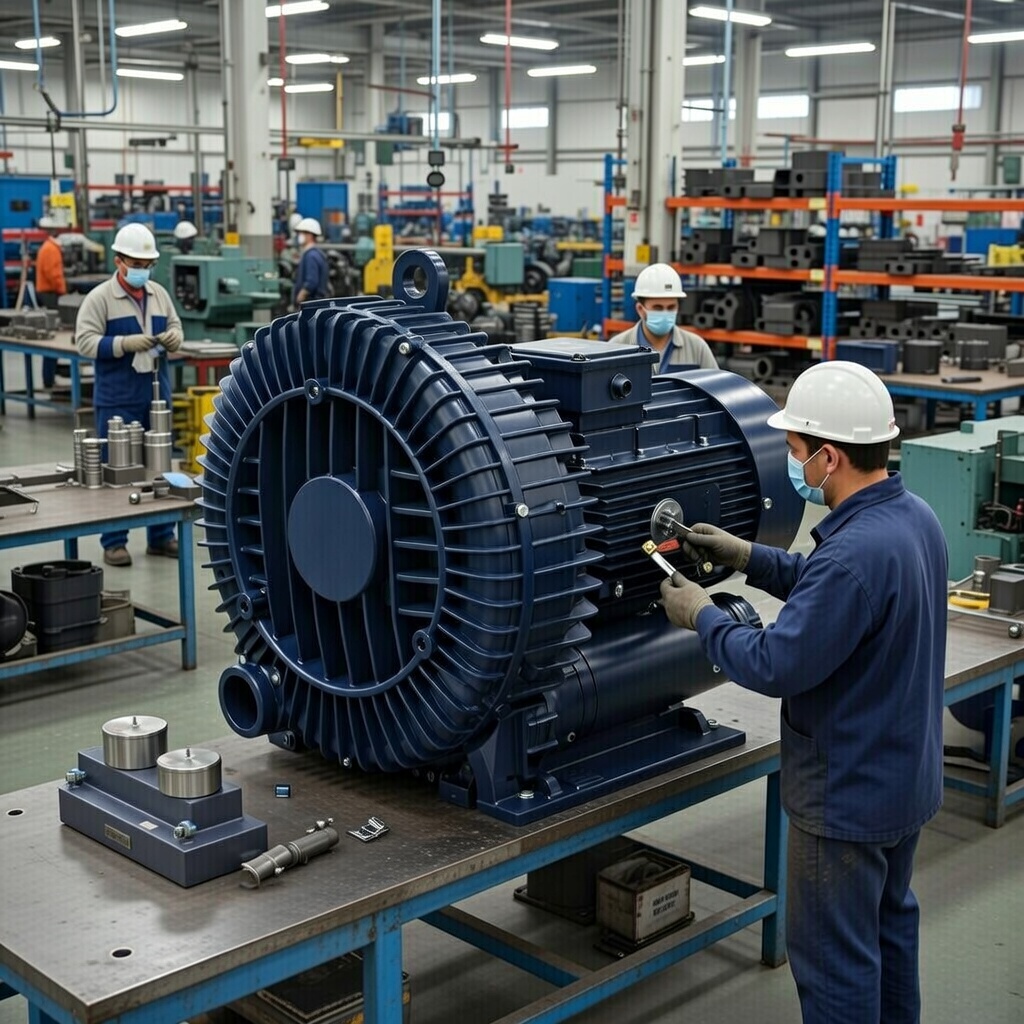
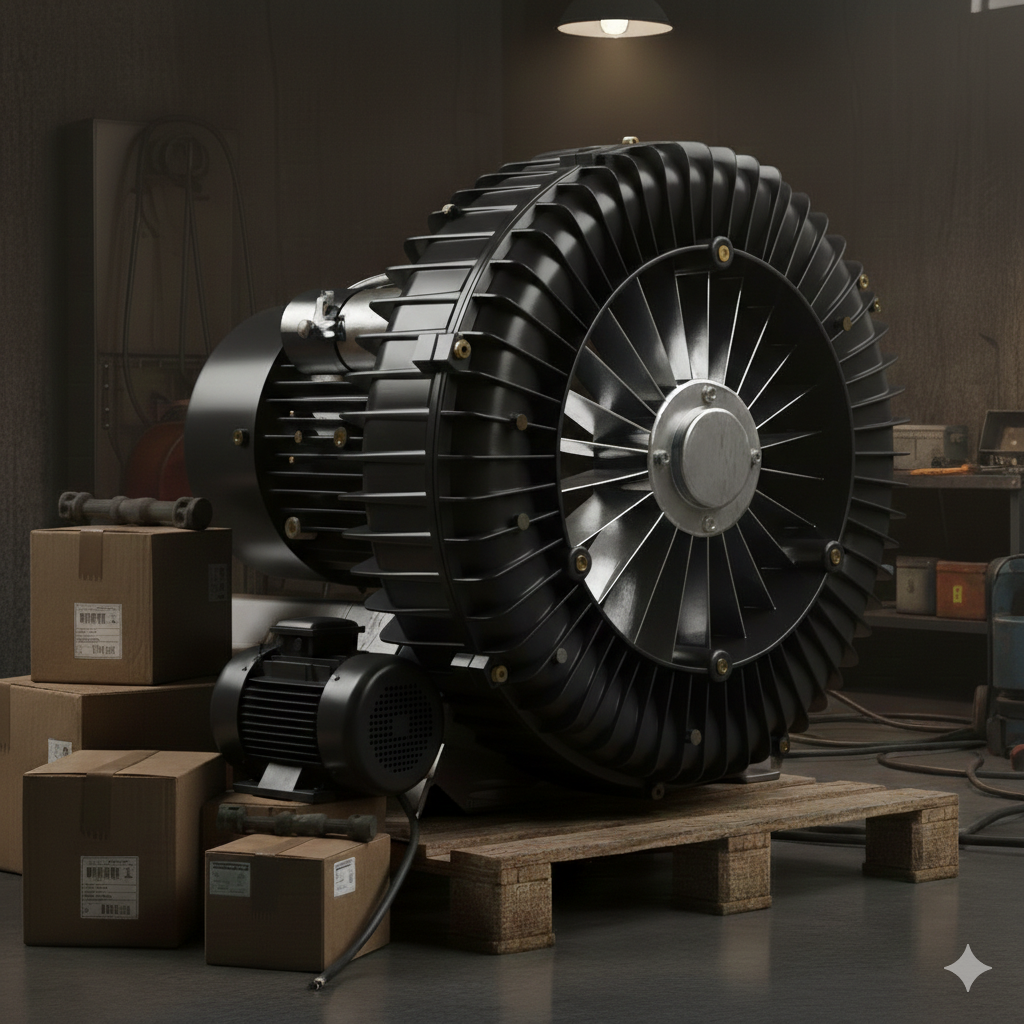
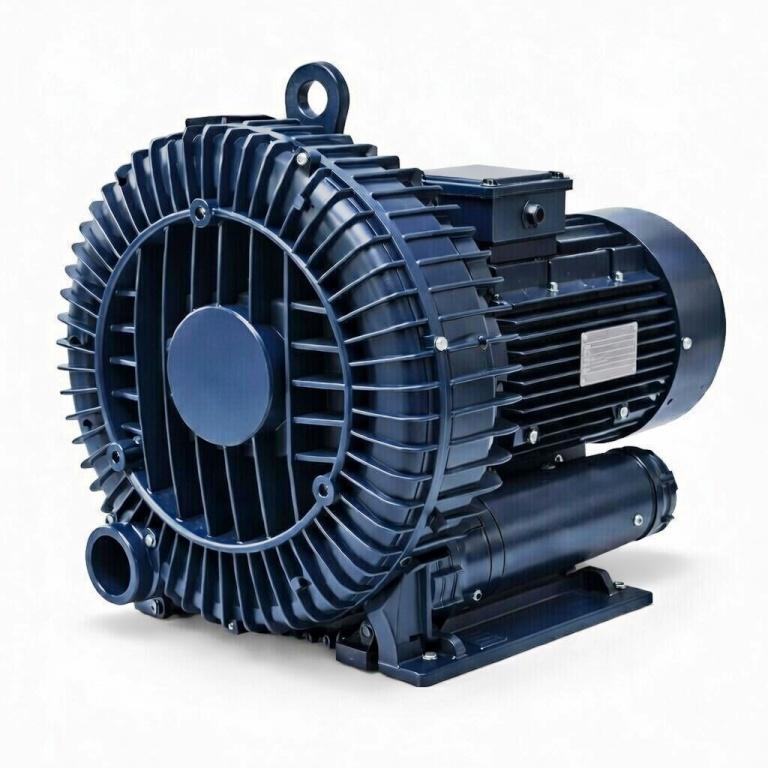
Industrial processes across manufacturing, processing, utilities, and infrastructure depend heavily on reliable air and vacuum systems. Among the most efficient and versatile technologies in this space are industrial side channel blowers—also known as regenerative blowers, ring blowers, or vortex blowers. These machines are designed to deliver clean, oil-free, pulsation-free air and vacuum for a wide range of industrial applications.
Unlike traditional positive displacement blowers or centrifugal fans, side channel blowers operate on a unique regenerative principle that allows them to generate high pressure and vacuum at relatively low flow rates with exceptional reliability and minimal maintenance. This makes them ideal for continuous-duty operations where performance stability, energy efficiency, and low noise are critical.
This guide explores everything you need to know about industrial side channel blowers—from how they work and their core features to benefits, applications, and selection criteria.
What Is an Industrial Side Channel Blower?
A side channel blower is a dynamic air machine that uses a high-speed rotating impeller to move air or gas in a circular path within a specially designed side channel. As the air circulates, it gains kinetic energy repeatedly (regeneration effect), which increases pressure or vacuum before the air exits the system.
This regenerative process allows side channel blowers to achieve:
- Medium pressure levels
- Medium vacuum levels
- Clean, oil-free air delivery
- Smooth, pulsation-free airflow
They are widely used where reliability, low maintenance, and continuous operation are required.
Working Principle of Side Channel Blowers
The operation of a side channel blower is based on a regenerative compression principle:
- Air enters through the inlet port.
- A high-speed impeller rotates inside a side channel.
- Air particles are accelerated and pushed outward by centrifugal force.
- The air circulates multiple times within the side channel.
- With each circulation, energy increases (regeneration effect).
- The pressurised or vacuumed air exits through the outlet port.
Because air is continuously re-energised, side channel blowers can generate higher pressure than standard centrifugal fans, while maintaining smooth, non-pulsating airflow.
Key Features of Industrial Side Channel Blowers
1. Oil-Free Operation
Side channel blowers operate without lubrication in the compression chamber, making them ideal for clean-air applications such as food processing, pharmaceuticals, and electronics manufacturing.
2. Pulsation-Free Airflow
They provide continuous, stable airflow without pressure fluctuations, which is critical for sensitive industrial processes.
3. Low Noise Design
Advanced aerodynamic impeller design and balanced rotation result in low operational noise compared to many traditional blower technologies.
4. Compact and Space-Saving
Their integrated motor-blower design allows for easy installation even in limited spaces.
5. Continuous Duty Capability
Designed for 24/7 operation without performance degradation.
6. High Reliability
Few moving parts reduce mechanical wear and failure risk.
7. Dual Functionality
Same machine can be used for both pressure (blowing) and vacuum (suction) applications.
Major Benefits of Side Channel Blowers
Energy Efficiency
Optimised airflow dynamics ensure lower energy consumption compared to inefficient compressed air systems.
Low Maintenance
No internal lubrication, minimal friction components, and sealed bearings reduce maintenance requirements.
Long Service Life
Robust construction ensures durability even in demanding industrial environments.
Clean Process Air
Oil-free and contamination-free airflow ensures product quality and process safety.
Cost-Effective Operation
Lower power usage, minimal servicing, and long life cycles reduce total cost of ownership.
Environmentally Friendly
No oil emissions, low energy usage, and low noise pollution support sustainable industrial practices.
Industrial Applications of Side Channel Blowers
Manufacturing Industry
- Material conveying systems
- Vacuum lifting and handling
- Cooling of components
- Dust extraction
Water & Wastewater Treatment
- Aeration systems
- Filter back washing
- Sludge drying processes
- Biological treatment oxygen supply
Food & Beverage Processing
- Packaging air supply
- Product drying
- Vacuum sealing
- Clean air transport
Pharmaceutical & Medical
- Clean room air supply
- Vacuum systems
- Sterile packaging
Electronics & Semiconductor
- Component cooling
- Clean air handling
- Static control systems
Textile Industry
- Yarn handling
- Fabric drying
- Pneumatic conveying
Aquaculture & Fisheries
- Pond aeration
- Oxygenation systems
- Water circulation support
Printing & Packaging
- Paper handling
- Ink drying
- Packaging automation
Environmental Systems
- Air sampling
- Gas handling
- Pollution control equipment
Side Channel Blowers vs Traditional Blowers
Compared to Roots Blowers
- Lower noise
- Oil-free air
- Less maintenance
- Lower pressure capability
Compared to Centrifugal Fans
- Higher pressure generation
- Better vacuum performance
- More stable airflow
Compared to Compressed Air Systems
- Higher efficiency
- Lower operating cost
- Reduced energy waste
Each technology has its place, but side channel blowers offer a perfect balance of efficiency, reliability, and performance for medium pressure and vacuum applications.
How to Select the Right Side Channel Blower
1. Airflow Requirement (CFM / m³/hr)
Define the volume of air needed for your process.
2. Pressure or Vacuum Level
Determine the required pressure (mbar) or vacuum (kPa).
3. Application Type
Blowing, suction, or dual-mode operation.
4. Duty Cycle
Continuous or intermittent operation.
5. Environmental Conditions
Temperature, humidity, dust, and chemical exposure.
6. Noise Requirements
Industrial vs noise-sensitive environments.
7. Power Supply
Voltage, frequency, and energy efficiency standards.
8. Installation Space
Compact vs centralised systems.
Installation Best Practices
- Ensure proper ventilation
- Use vibration isolation mounts
- Install filters on air inlets
- Maintain adequate cooling airflow
- Avoid airflow restrictions
- Use correct piping diameters
Maintenance Guidelines
Side channel blowers require minimal maintenance, but best practices include:
- Regular filter cleaning/replacement
- Bearing inspection
- Airflow path cleaning
- Noise monitoring
- Performance checks
- Electrical connection inspection
Preventive maintenance ensures long service life and consistent performance.
Future of Side Channel Blower Technology
With Industry 4.0 and smart manufacturing, side channel blowers are evolving with:
- Smart monitoring systems
- IoT-based diagnostics
- Energy optimisation controls
- Variable frequency drives (VFDs)
- Predictive maintenance systems
- Noise reduction engineering
These innovations are making side channel blowers smarter, more efficient, and more sustainable.
Conclusion
Industrial side channel blowers represent a powerful, efficient, and reliable air and vacuum solution for modern industries. Their oil-free operation, low maintenance needs, continuous-duty capability, and wide application range make them indispensable in today’s manufacturing and processing environments.
Whether used for aeration, conveying, cooling, vacuum handling, or clean air supply, side channel blowers provide a perfect balance between performance and efficiency. As industrial systems move toward smarter, greener, and more energy-efficient operations, side channel blowers will continue to play a critical role in shaping the future of industrial air technology.
This guide is designed to serve as a comprehensive reference for engineers, plant managers, system integrator, and industrial decision-makers seeking reliable air and vacuum solutions.

Leave A Comment