

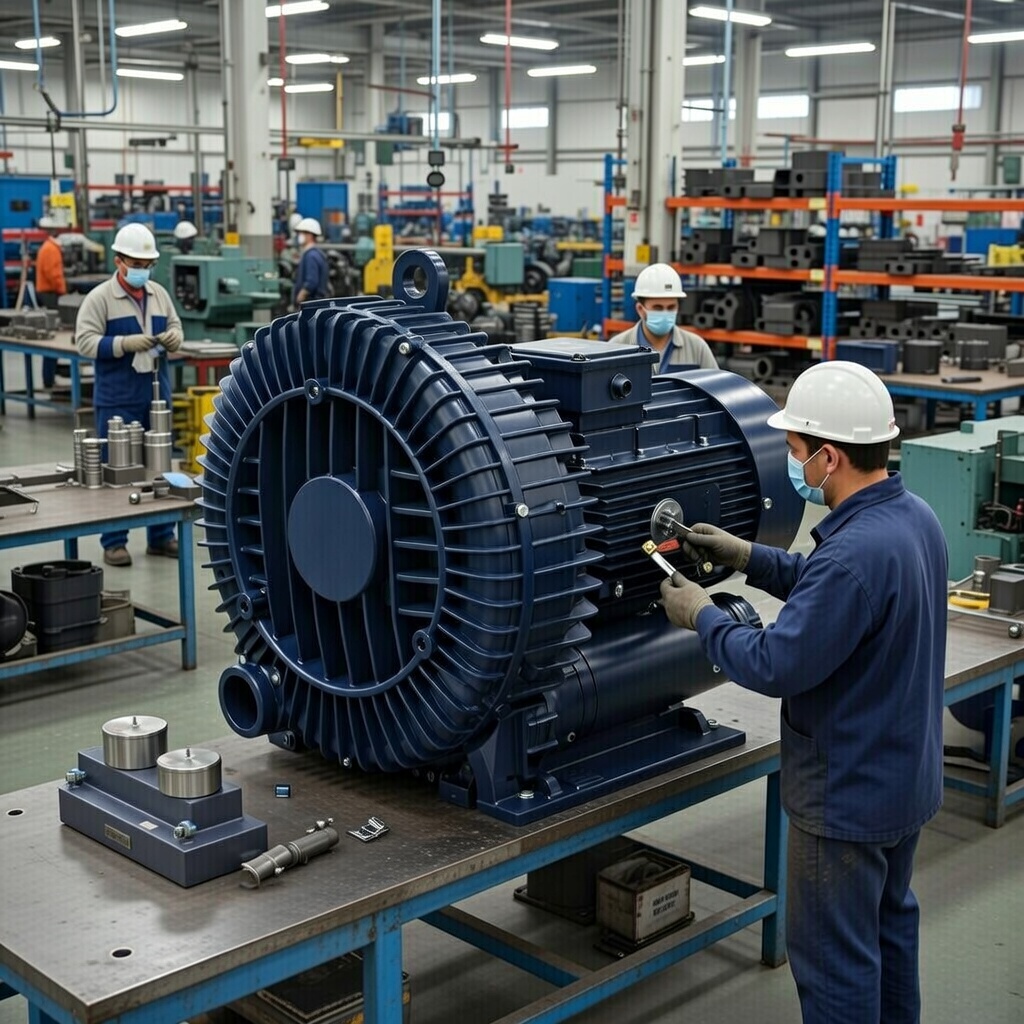
Industrial Air Systems Powered by Advanced Side Channel Blower Technology
Introduction: Redefining Industrial Air Infrastructure
Industrial air is no longer just a utility—it is a critical production enabler. In modern manufacturing, processing, and automation environments, air systems drive everything from material movement and pneumatic control to environmental conditioning and precision automation. At the center of this evolution stands advanced side channel blower technology, transforming conventional air systems into intelligent, efficient, and future-ready industrial infrastructures.
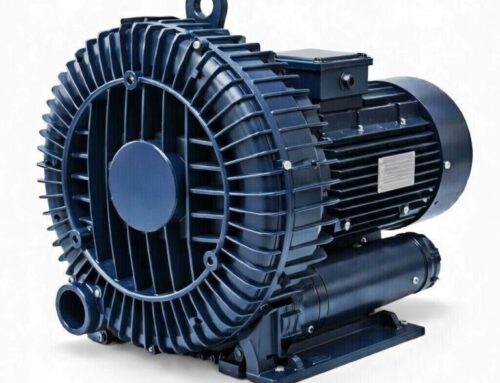
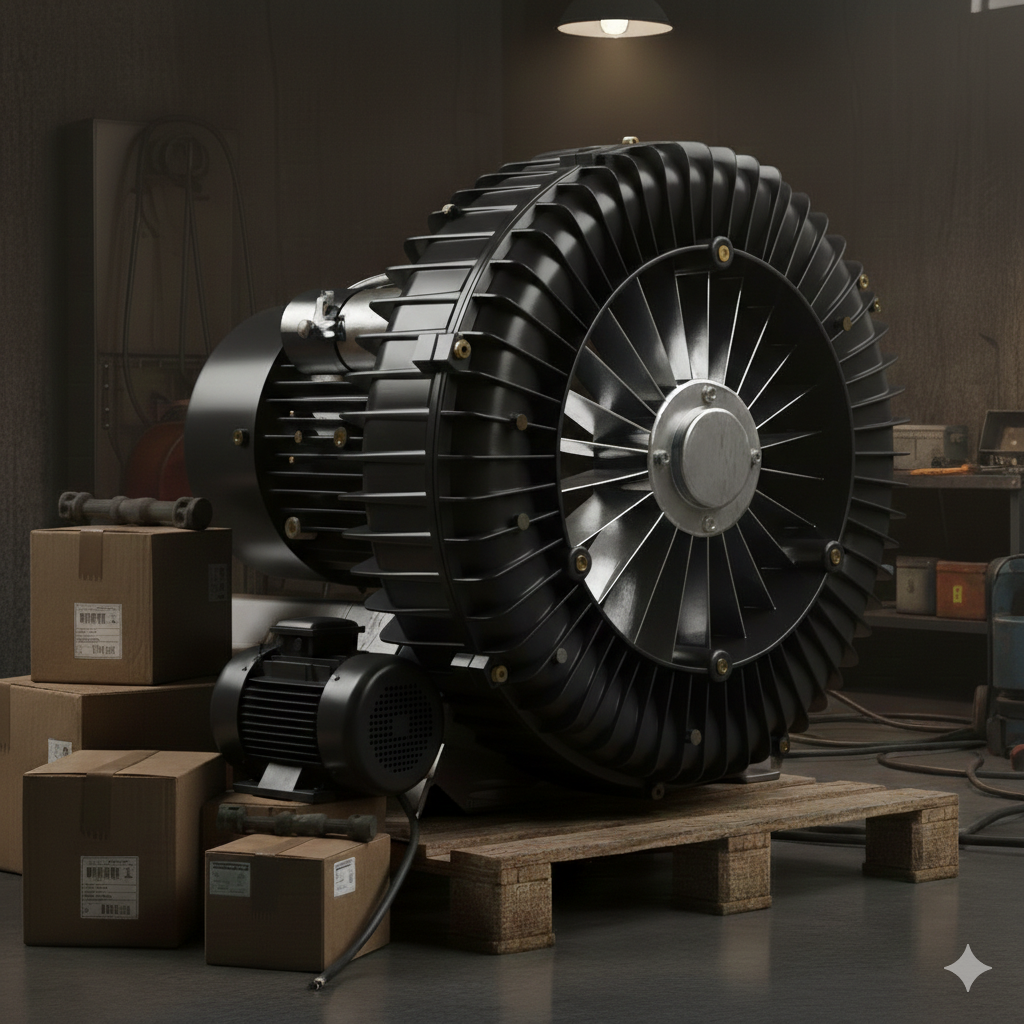
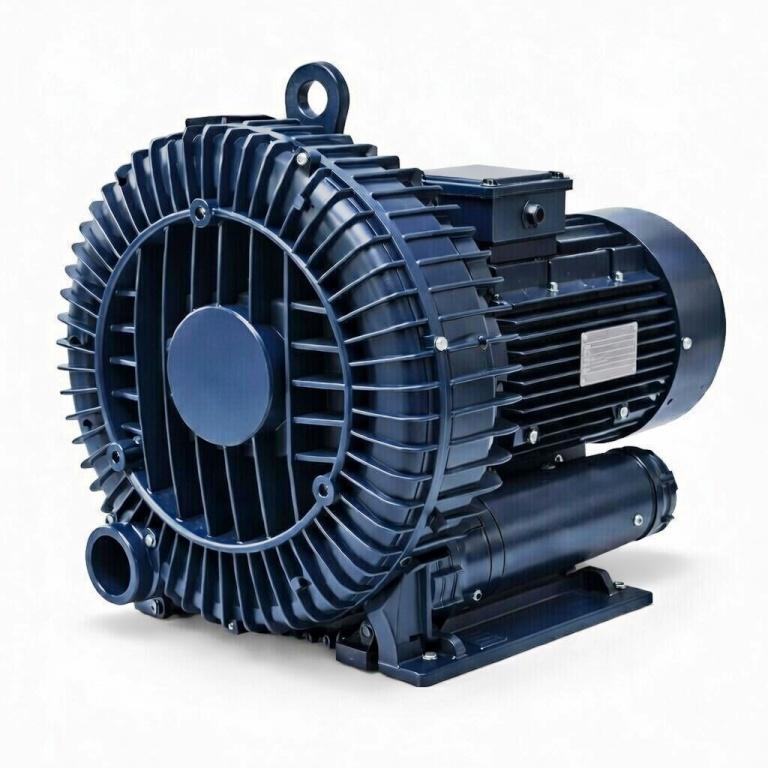
Side channel blowers (also known as ring blowers or regenerative blowers) are now redefining how industries generate, control, and manage airflow—delivering clean, oil-free, continuous, and digitally compatible air power for next-generation industrial ecosystems.
The Evolution of Industrial Air Systems
Traditional air systems were built for basic airflow supply. Modern industrial air systems are designed for:
- Process integration
- Digital control
- Energy intelligence
- Operational efficiency
- Environmental sustainability
- Smart factory compatibility
Advanced side channel blower technology bridges the gap between mechanical airflow generation and digital industrial intelligence.
What Makes Advanced Side Channel Blower Technology Different?
🔹 Regenerative Airflow Engineering
Air is accelerated through multi-stage vortex channels, producing:
- High-efficiency pressure generation
- Stable vacuum/pressure output
- Pulsation-free airflow
- Low thermal stress
- Continuous duty performance
This ensures reliable performance for mission-critical industrial processes.
🔹 Oil-Free & Contamination-Free Operation
Advanced side channel blowers operate without lubrication in the compression chamber, delivering:
- Clean air
- Hygienic operation
- Zero oil contamination
- Compliance with clean manufacturing standards
This is essential for pharma, food, electronics, battery manufacturing, and semiconductor industries.
🔹 Smart Energy Architecture
Modern systems integrate:
- High-efficiency motors (IE3/IE4/IE5)
- Aerodynamic impeller optimisation
- Smart VFD control
- Adaptive load management
This converts air systems into energy-optimised industrial assets.
Core Capabilities of Advanced Industrial Air Systems
1. Digital Airflow Control
- PLC-based regulation
- SCADA integration
- IoT sensor connectivity
- Real-time performance monitoring
- AI-driven airflow optimisation
Air becomes a digitally managed process variable.
2. Predictive Maintenance Infrastructure
With sensor-based intelligence:
- Bearing health monitoring
- Thermal profiling
- Vibration analytics
- Load variation tracking
- Failure prediction models
This enables zero-downtime strategies.
3. Modular System Architecture
- Scalable blower modules
- Redundant system design
- Plug-and-play integration
- OEM system compatibility
- Flexible installation configurations
4. Low Noise & Vibration Engineering
- Acoustic enclosures
- Vibration isolation mounts
- Noise-optimised impellers
- Smart housing design
Perfect for urban factories, indoor automation plants, and clean manufacturing zones.
Industrial Applications Powered by Advanced Side Channel Blowers
Advanced industrial air systems enable:
- Pneumatic conveying systems
- Vacuum handling & gripping
- Robotic automation
- Material drying processes
- Packaging lines
- Dust extraction systems
- Battery manufacturing plants
- EV component production
- Recycling automation plants
- Smart warehouses
- Pharmaceutical production lines
- Food processing automation
They act as the hidden backbone of industrial automation.
Industry 4.0 Integration
Advanced side channel blower systems seamlessly integrate with:
- Digital twins
- AI-based production planning
- Smart energy management systems
- Autonomous production control
- Predictive maintenance software
- Cloud-based analytics platforms
They evolve from machines into intelligent cyber-physical systems.
ESG-Driven Industrial Air Systems
Environmental Impact
- Energy-efficient operation
- Low carbon emissions
- Oil-free airflow
- Reduced waste generation
Social Impact
- Safe work environments
- Low noise pollution
- Clean air production
Governance Impact
- Compliance-ready monitoring
- Digital performance traceability
- Automated reporting systems
Future of Industrial Air Systems
Next-generation industrial air systems will feature:
- AI-controlled airflow networks
- Autonomous blower clusters
- Smart grid integration
- Carbon-neutral air infrastructure
- Energy trading integration
- Self-optimising air systems
- Digital utility management
Air will function as a digitally traded industrial resource.
Conclusion: Engineering the Intelligence of Air
Industrial air systems powered by advanced side channel blower technology are no longer mechanical support utilities—they are strategic digital infrastructures.
They deliver:
- Intelligent airflow control
- Smart energy management
- Clean manufacturing environments
- Predictive reliability
- Sustainable operations
- Industry 4.0 readiness
- Smart factory compatibility
- ESG compliance
In the future of industry, air will be intelligent, digital, and strategic—and side channel blowers will be its core engines.

Leave A Comment