

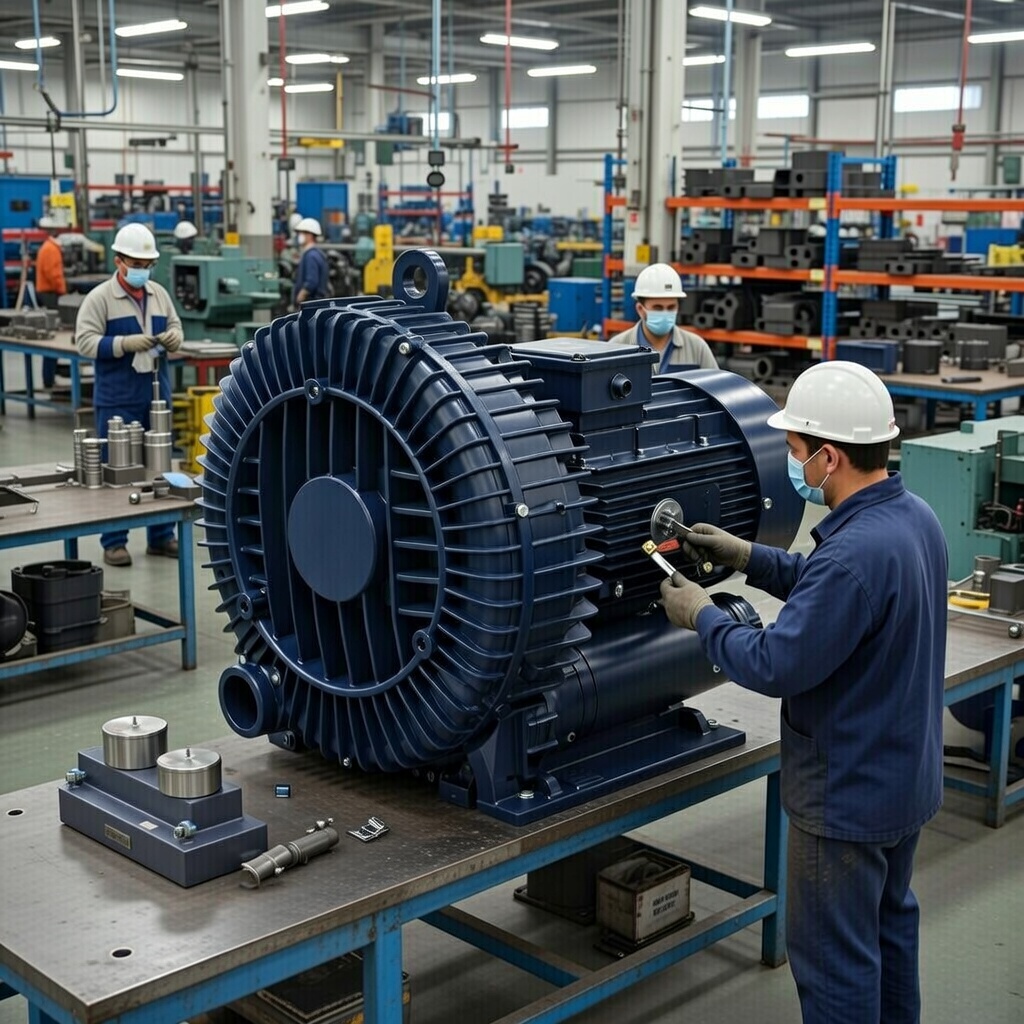
Dust-Free Manufacturing Using Ring Blowers
Smart Airflow Technology for Clean, Safe & Efficient Industrial Environments
Introduction
Dust-free manufacturing has become a critical priority for modern industries. From pharmaceuticals and food processing to electronics, cement, textiles, and precision engineering, airborne dust is not just a cleanliness issue—it is a serious threat to product quality, worker safety, machine life, regulatory compliance, and operational efficiency.
Industrial dust can cause health hazards, contamination, fire risks, equipment damage, and production losses. Traditional dust control systems often struggle with inconsistent airflow, high maintenance costs, and energy inefficiency. This is where Ring Blowers (Side Channel / Regenerative Blowers) offer a powerful, clean, and reliable solution.
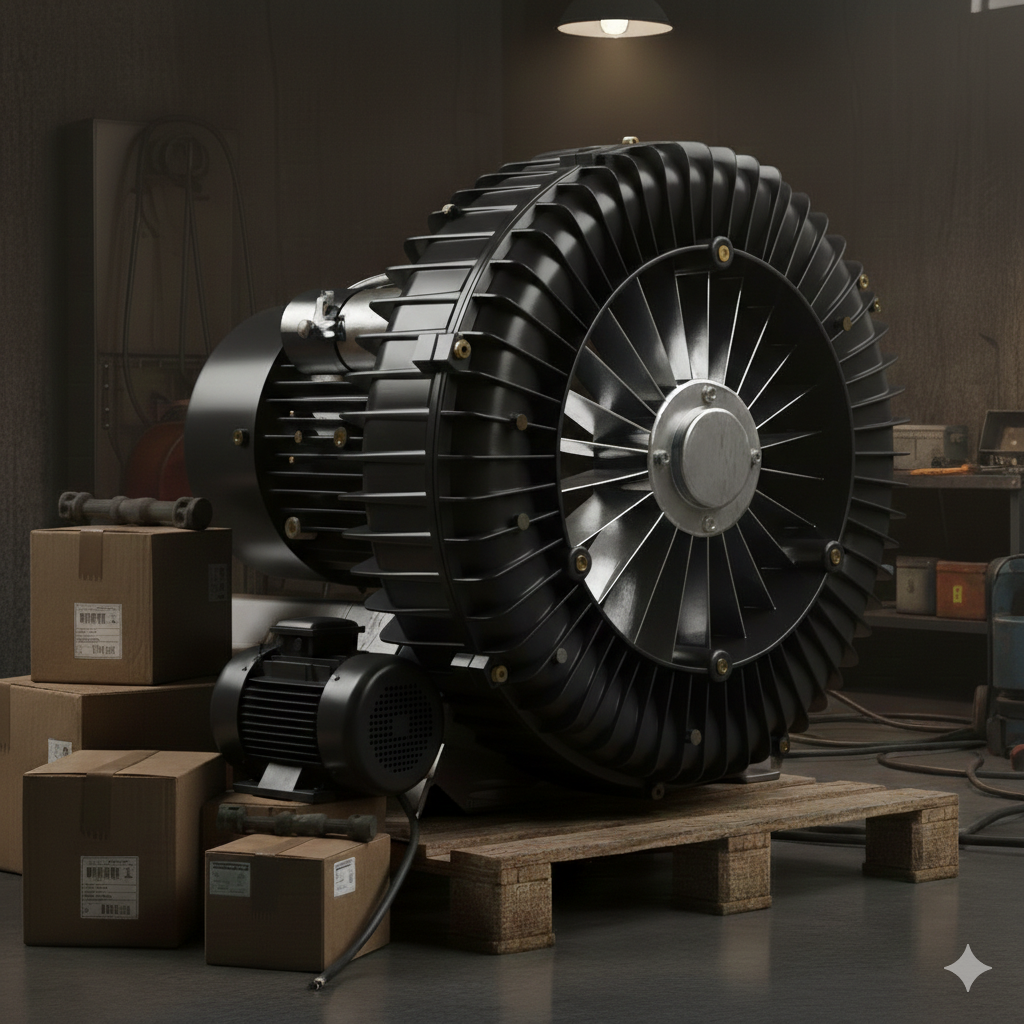
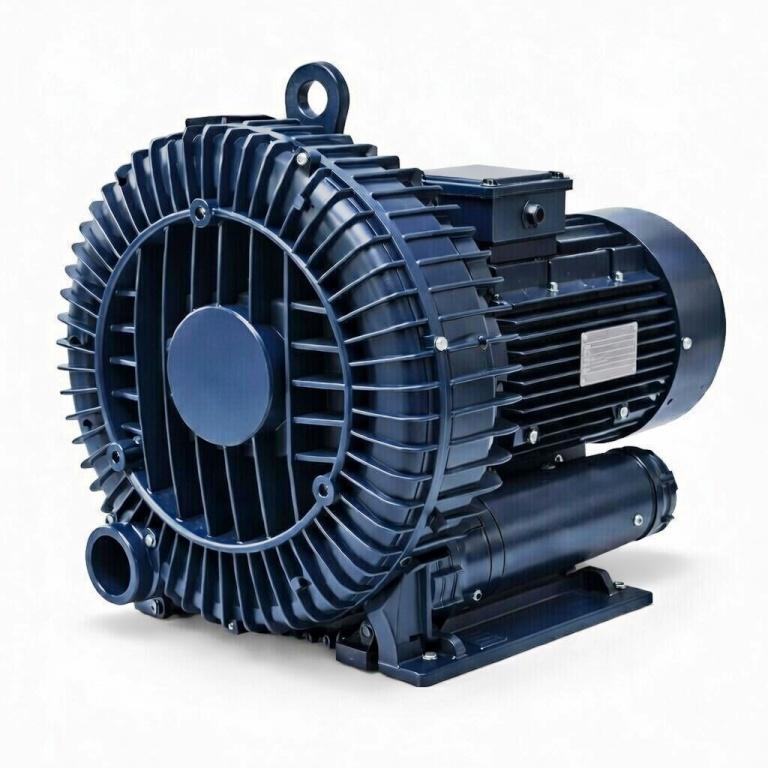
Ring blowers provide stable vacuum and airflow, oil-free operation, low noise, and continuous-duty performance, making them ideal for dust extraction, air handling, filtration systems, and clean manufacturing environments. This hub explores how ring blowers enable dust-free manufacturing, their applications, system designs, benefits, and future potential in smart factories.
Understanding Dust Challenges in Manufacturing
Major Industrial Dust Sources
- Grinding and cutting operations
- Material handling and transfer
- Packaging and filling systems
- Powder processing
- Mixing and blending operations
- Conveyor systems
- CNC and machining operations
Risks of Industrial Dust
- Respiratory health hazards
- Product contamination
- Fire and explosion risks
- Machine wear and breakdowns
- Reduced product quality
- Regulatory non-compliance
- Higher maintenance costs
- Unsafe working conditions
Dust control is no longer optional—it is essential for safe, compliant, and efficient manufacturing.
Why Ring Blowers Are Ideal for Dust-Free Manufacturing
Ring blowers operate on regenerative airflow technology, creating continuous vacuum and airflow without oil, mechanical compression, or pulsation. This makes them perfectly suited for dust control systems.
Key Characteristics:
- Continuous vacuum generation
- Stable airflow
- Oil-free operation
- Low noise levels
- Minimal vibration
- Compact design
- Continuous-duty capability
- Low maintenance
Core Dust-Free Manufacturing Applications
1. Dust Extraction Systems
Ring blowers generate stable suction for:
- Machine-level dust extraction
- Centralized dust collection systems
- Production line dust control
- Fine particle removal
2. Filtration & Air Purification
- HEPA filtration systems
- Industrial air purifiers
- Cleanroom airflow management
- Controlled environment manufacturing
3. Pneumatic Dust Conveying
- Powder transport systems
- Fine material transfer
- Controlled vacuum conveying
4. Packaging & Filling Lines
- Dust-free filling
- Powder packaging
- Vacuum-based sealing
- Clean product handling
5. CNC & Machine Tool Dust Control
- Chip extraction
- Fine dust suction
- Machine enclosure vacuum systems
Industry-Specific Solutions
Pharmaceuticals & Healthcare
- Cleanroom environments
- Contamination-free air
- GMP compliance
- Controlled airflow systems
Food Processing Industry
- Hygienic dust removal
- Flour dust control
- Spice processing
- Grain handling
Electronics Manufacturing
- Static-free dust removal
- Clean assembly lines
- Precision manufacturing environments
Cement, Mining & Minerals
- Powder dust extraction
- Conveyor dust control
- Processing plant air management
Textile Industry
- Fiber dust extraction
- Lint control systems
- Clean weaving environments
System Architecture for Dust-Free Manufacturing
Centralized Dust Control Systems
- Central ring blower units
- Networked suction pipelines
- Smart airflow distribution
- Multi-point extraction
Decentralized Machine-Level Systems
- Individual blower units
- Localized dust control
- Flexible installation
Hybrid Systems
- Central + local extraction
- Redundancy and backup
- Smart airflow management
Technology Advantages
- Oil-free clean airflow
- Continuous vacuum stability
- Low noise and vibration
- Energy-efficient operation
- Long service life
- Compact footprint
- Low maintenance cost
- Reliable performance
Smart Manufacturing Integration
Industry 4.0 Compatibility
- IoT monitoring
- Smart sensors
- Remote diagnostics
- AI-based predictive maintenance
- Automated airflow control
Safety & Compliance Benefits
- Improved worker safety
- Fire risk reduction
- Explosion hazard control
- Regulatory compliance
- Clean working environment
- Reduced insurance risk
Environmental & Sustainability Impact
- Energy-efficient dust control
- Reduced emissions
- Sustainable air handling
- Green manufacturing support
- Lower carbon footprint
Maintenance Strategy for Clean Operations
- Predictive maintenance
- Filter management
- Condition monitoring
- Scheduled inspections
- Performance optimization
Future of Dust-Free Manufacturing
The future of dust-free manufacturing using ring blowers includes:
- AI-controlled airflow systems
- Smart filtration networks
- Automated dust management
- Energy-optimized plants
- Zero-emission manufacturing
- Smart factory integration
Conclusion
Dust-free manufacturing is no longer just a quality standard—it is a foundation for safe, sustainable, and efficient industrial operations. Ring blowers have emerged as a core technology enabling clean manufacturing through reliable vacuum generation, stable airflow, oil-free operation, and continuous-duty performance.
By integrating ring blower systems into dust extraction, filtration, pneumatic conveying, and air purification processes, industries can achieve cleaner production lines, healthier work environments, longer machine life, and higher product quality.
As smart factories and sustainable manufacturing models continue to grow, ring blowers will play a strategic role in building clean, intelligent, and future-ready industrial ecosystems.

Leave A Comment