

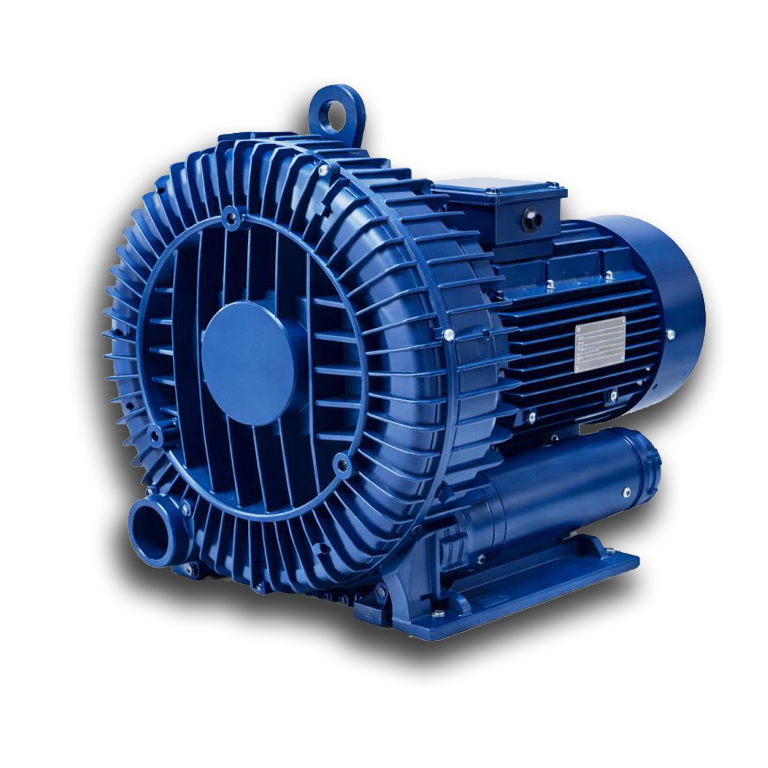
Common Blower Failures and How to Prevent Them
Introduction
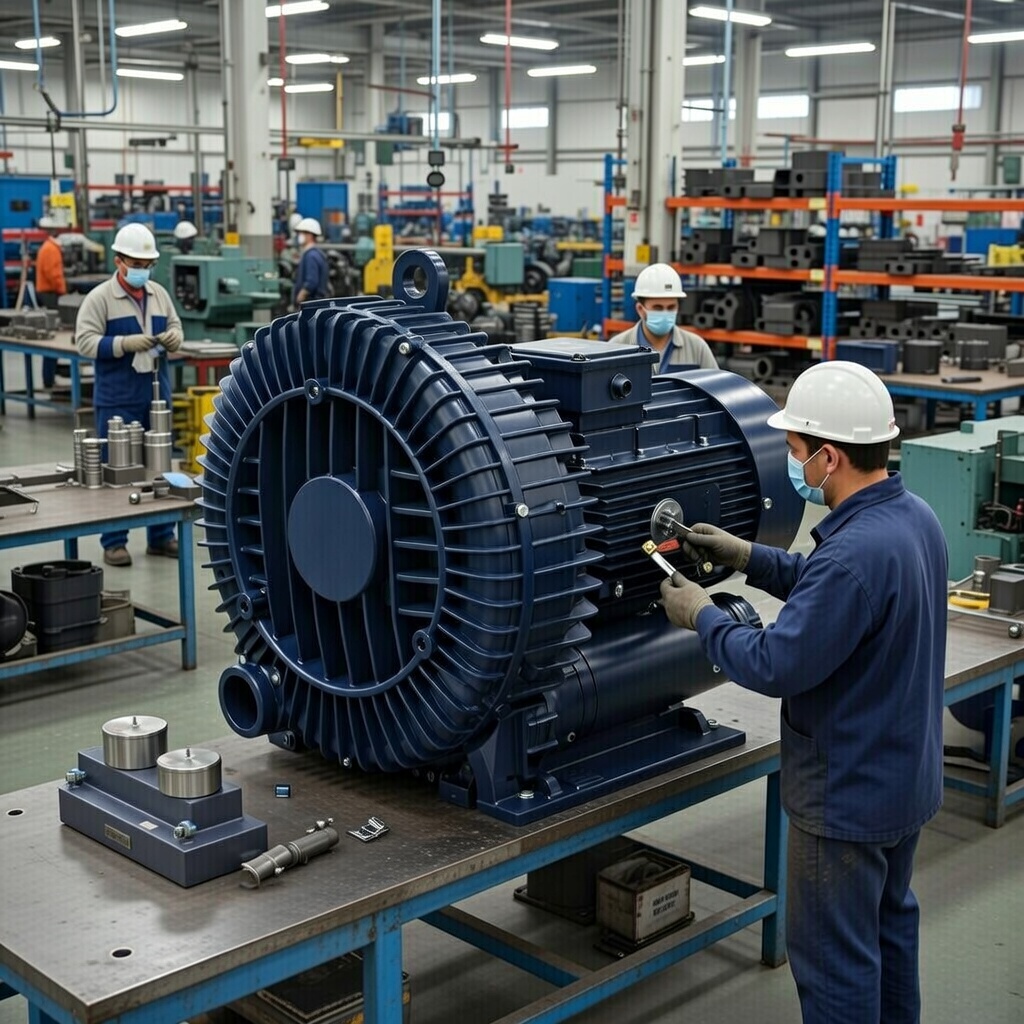
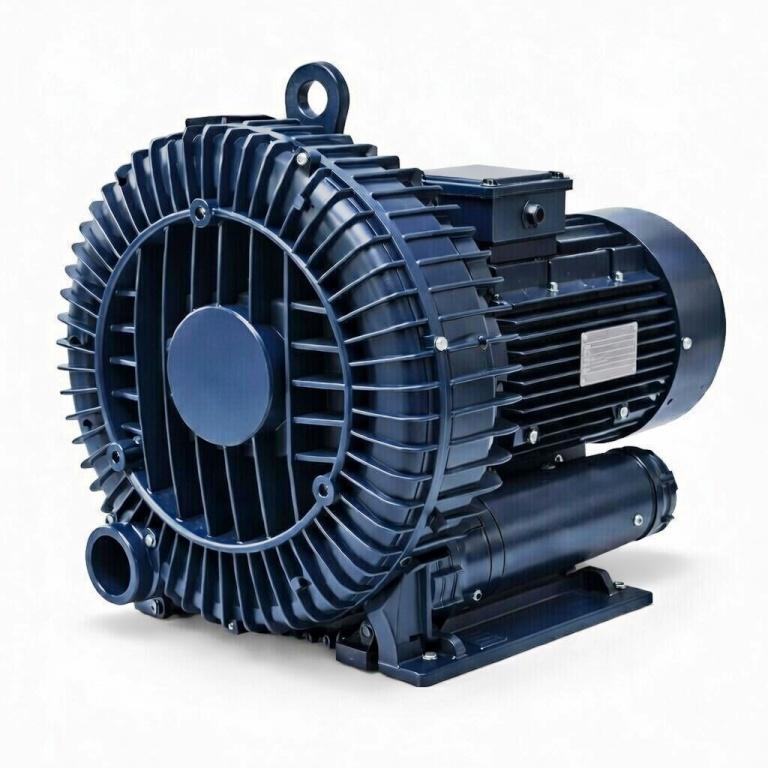
Industrial blowers are critical assets in manufacturing, infrastructure, wastewater, energy, food processing, and environmental systems. When blowers fail, the result is not just equipment damage—it leads to production downtime, safety risks, quality issues, energy losses, and financial impact.
Understanding common blower failures and implementing preventive strategies is essential for reliability engineering, asset management, and sustainable industrial operations.
This guide explains the most common industrial blower failures, their root causes, and proven prevention methods.
1. Bearing Failure
Causes:
- Poor lubrication
- Contamination
- Overloading
- Misalignment
- Excessive vibration
- Overheating
Prevention:
- Use correct lubrication grade
- Follow lubrication schedules
- Install vibration monitoring
- Ensure shaft alignment
- Maintain clean operating environment
- Use high-quality bearings
2. Motor Failure
Causes:
- Electrical overload
- Voltage imbalance
- Overheating
- Poor ventilation
- Insulation breakdown
Prevention:
- Install overload protection
- Use VFDs
- Monitor motor temperature
- Ensure proper ventilation
- Perform insulation testing
3. Impeller Damage
Causes:
- Foreign object ingestion
- Corrosion
- Erosion
- Fatigue failure
- Poor balancing
Prevention:
- Install inlet filters
- Use corrosion-resistant materials
- Regular inspection
- Dynamic balancing
- Proper material selection
4. Seal & Gasket Failure
Causes:
- Aging
- Chemical exposure
- Thermal cycling
- Pressure fluctuations
Prevention:
- Use compatible seal materials
- Regular replacement cycles
- Pressure control
- Temperature monitoring
5. Overheating
Causes:
- Overloading
- Blocked airflow
- Poor ventilation
- Excessive pressure
- Continuous operation beyond rating
Prevention:
- Proper sizing
- Adequate cooling design
- Temperature sensors
- System pressure monitoring
- Duty cycle management
6. Vibration Problems
Causes:
- Misalignment
- Imbalance
- Foundation issues
- Loose components
- Resonance
Prevention:
- Precision alignment
- Dynamic balancing
- Rigid foundations
- Anti-vibration mounts
- Regular vibration analysis
7. Electrical Failures
Causes:
- Poor wiring
- Loose connections
- Moisture ingress
- Poor grounding
Prevention:
- Proper electrical installation
- Sealed enclosures
- Regular electrical inspections
- Grounding compliance
8. Corrosion & Material Degradation
Causes:
- Humidity
- Chemicals
- Wastewater gases
- Marine environments
Prevention:
- Protective coatings
- Stainless materials
- Environmental enclosures
- Corrosion monitoring
9. Control System Failures
Causes:
- Sensor faults
- PLC failures
- Software errors
- Poor calibration
Prevention:
- Redundant sensors
- Regular calibration
- Software updates
- Backup systems
10. System Design Failures
Causes:
- Wrong blower selection
- Poor duct design
- No redundancy
- No safety margins
- No monitoring systems
Prevention:
- Proper engineering design
- Simulation modeling
- Redundancy planning
- Digital monitoring
- Professional system integration
Predictive Maintenance Strategy
Modern plants use:
- Vibration sensors
- Temperature sensors
- Pressure sensors
- Flow sensors
- AI-based diagnostics
- Predictive analytics
Preventive Maintenance Checklist
✔ Lubrication management
✔ Bearing inspection
✔ Alignment checks
✔ Vibration monitoring
✔ Electrical inspection
✔ Impeller inspection
✔ Filter maintenance
✔ Seal replacement
✔ System cleaning
✔ Performance testing
Industry 4.0 & Smart Reliability Engineering
Blower systems integrate with:
- IoT platforms
- SCADA systems
- Digital twins
- Predictive maintenance platforms
- AI failure prediction models
ESG & Sustainability Impact
Failure prevention supports:
- Energy efficiency
- Reduced waste
- Longer equipment life
- Resource conservation
- Sustainable operations
- Lower carbon footprint
Conclusion
Blower failures are not random events—they are engineering and maintenance failures that can be predicted, prevented, and controlled.
By implementing structured preventive maintenance, predictive monitoring, proper system design, and smart diagnostics, industries can achieve:
- High reliability
- Minimal downtime
- Lower maintenance cost
- Higher safety
- Sustainable operations
- Long equipment life
Preventing failures is not a cost—it is a strategic investment in operational excellence.

Leave A Comment