

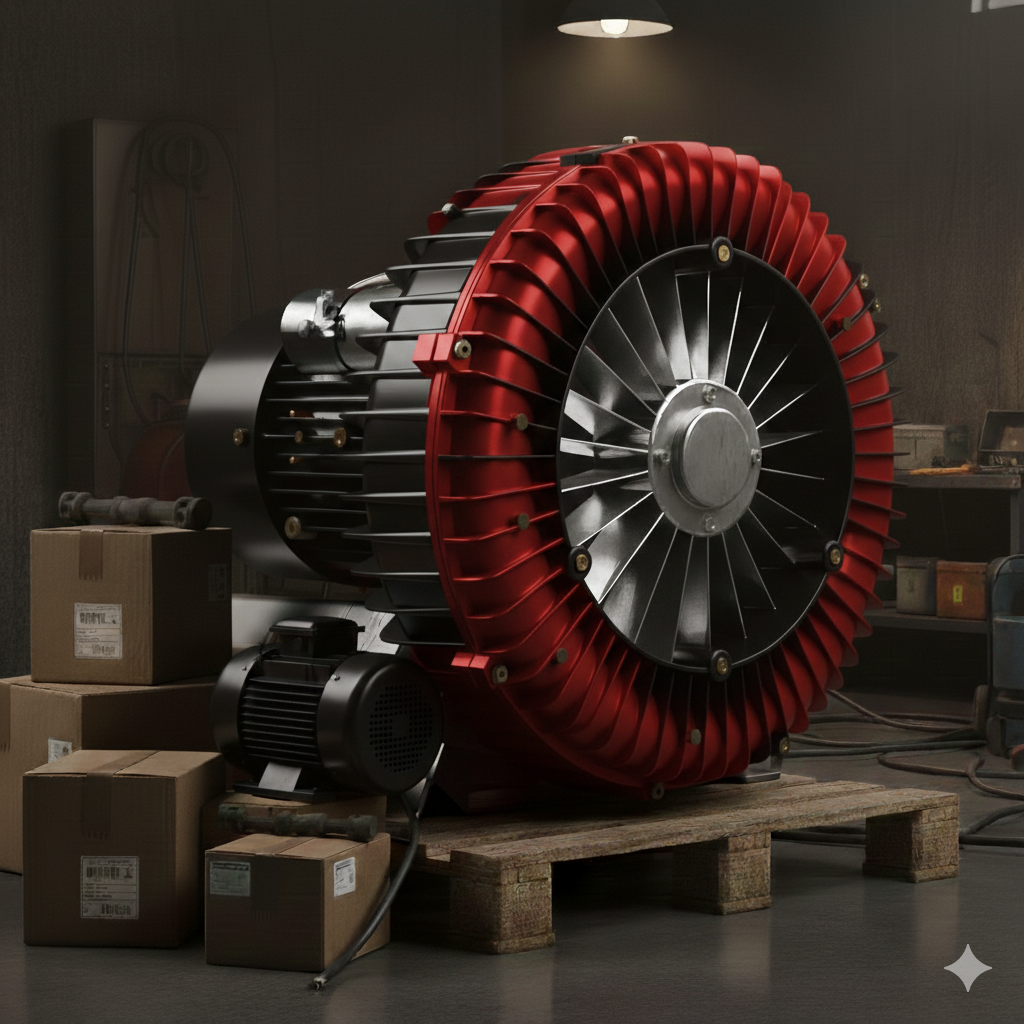
Industrial Air Infrastructure Planning
Introduction
Industrial air infrastructure is a core utility system in modern factories, plants, and industrial facilities—just like electricity, water, and steam. It supports production, automation, safety, environmental control, and energy management.
Industrial Air Infrastructure Planning is the strategic engineering process of designing, integrating, and optimisation air generation, treatment, distribution, control, and recovery systems to ensure long-term operational efficiency, reliability, and sustainability.
What Is Industrial Air Infrastructure?
It is a complete ecosystem consisting of:
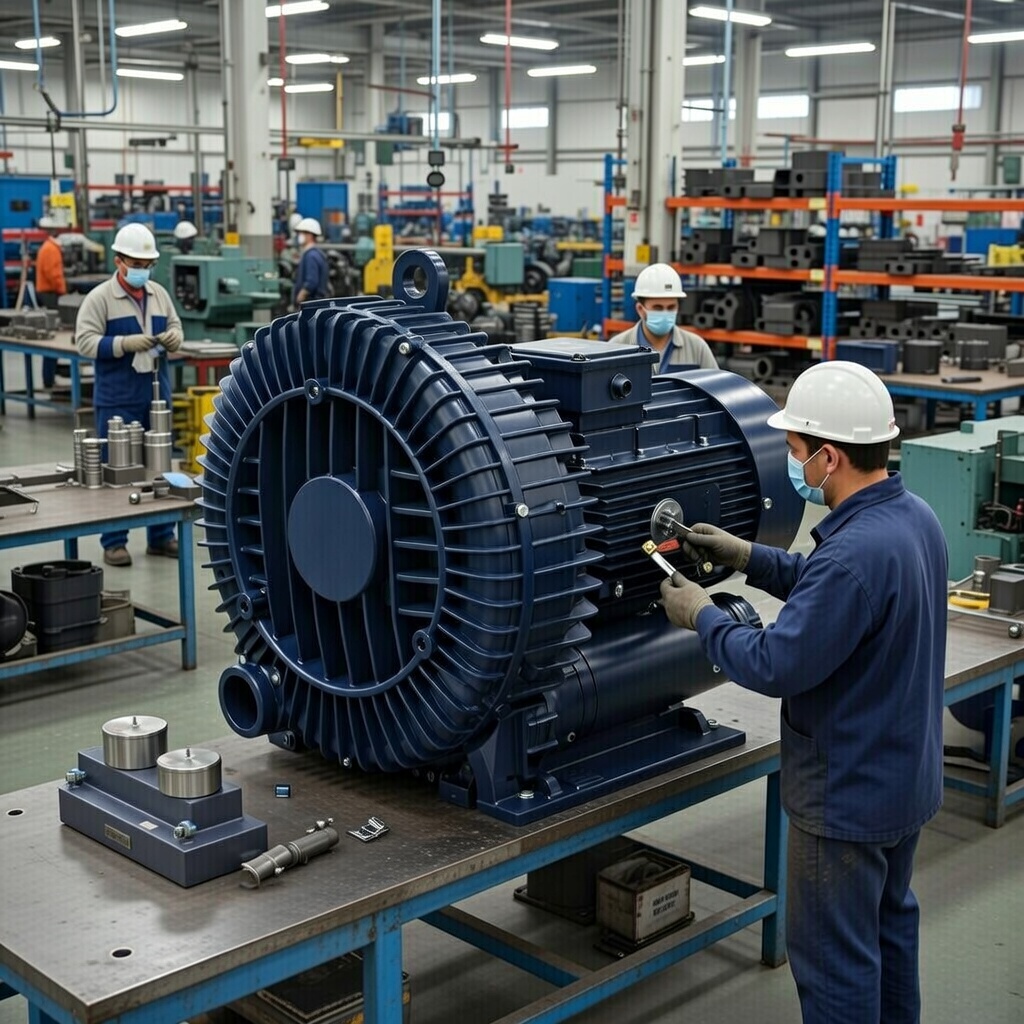
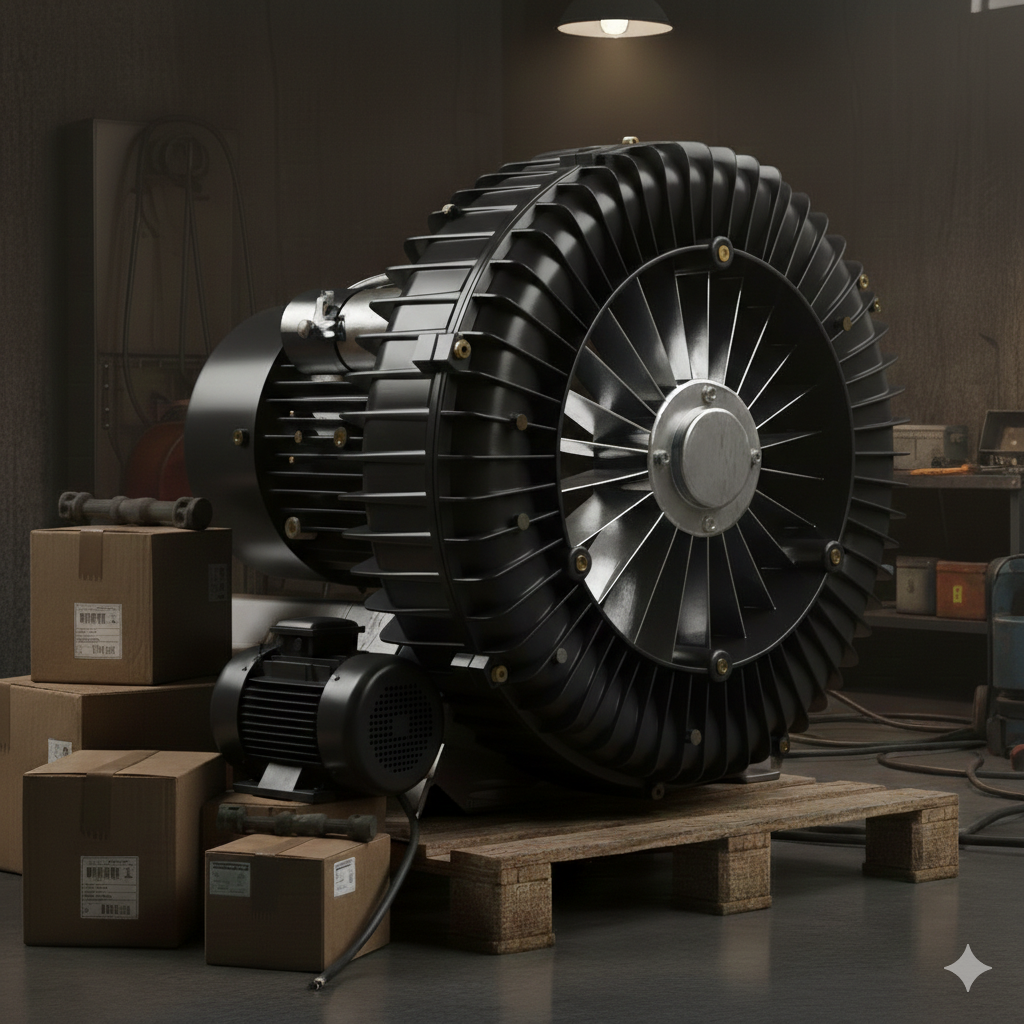
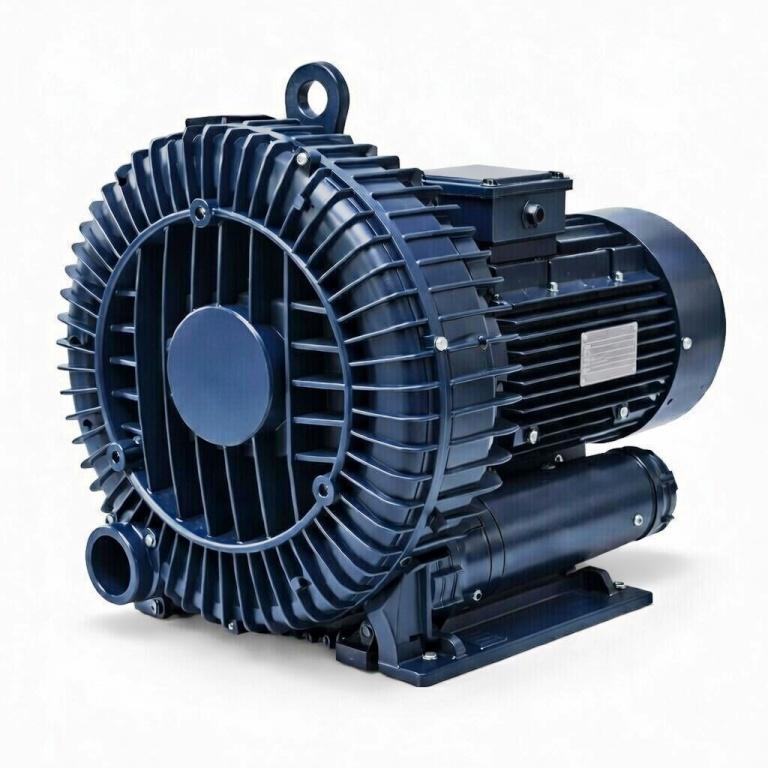
- Air generation systems (blowers, compressors, vacuum systems)
- Air treatment units (filters, dryers, separators)
- Storage systems (air receivers, buffer tanks)
- Distribution networks (pipelines, ducting, manifolds)
- Control systems (PLC, VFD, SCADA)
- Monitoring platforms (IoT, sensors, analytics)
- Energy recovery systems
It functions as an industrial utility grid.
Core Objectives of Air Infrastructure Planning
- Operational reliability
- Energy efficiency
- Scalability
- Safety
- Cost optimization
- Sustainability
- Digital readiness
- Lifecycle performance
Planning Framework
1. Demand Assessment
- Process air demand
- Pressure and flow requirements
- Duty cycles
- Peak load analysis
- Redundancy needs
2. Technology Selection
Choose appropriate systems:
- Blowers (side channel, roots, centrifugal)
- Compressors
- Vacuum systems
- Hybrid air systems
Based on:
- Flow vs pressure needs
- Energy efficiency
- Application type
- Maintenance capability
3. System Architecture Design
Includes:
- Centralized vs decentralized systems
- Redundancy configuration
- Zoning design
- Modular infrastructure
- Future expansion planning
4. Distribution Network Engineering
Design considerations:
- Pipe sizing
- Duct routing
- Pressure loss minimization
- Leak prevention
- Material selection
- Thermal management
5. Air Quality Engineering
Includes:
- Filtration grades
- Moisture control
- Oil-free air systems
- Hygienic design
- Contamination prevention
6. Control & Automation
Integration with:
- PLC systems
- SCADA
- VFDs
- IoT platforms
- AI optimization
- Digital twins
7. Energy Engineering
Energy strategies:
- Load-based operation
- Variable speed control
- Heat recovery
- Waste energy reuse
- Renewable integration
- Carbon reduction planning
Reliability & Risk Engineering
Includes:
- Redundancy systems
- Fail-safe design
- Backup power integration
- Disaster recovery planning
- Predictive maintenance
- Condition monitoring
ESG & Sustainability Integration
Supports:
- Energy conservation
- Carbon neutrality
- Green manufacturing
- Sustainable infrastructure
- Environmental compliance
- Circular economy
Smart Infrastructure Integration
Modern systems include:
- Smart sensors
- Cloud dashboards
- AI diagnostics
- Autonomous control
- Predictive analytics
- Digital twins
Common Planning Mistakes
- Oversizing systems
- No redundancy
- Poor layout design
- No monitoring
- No future scalability
- Energy-inefficient equipment
- Poor maintenance access
Future-Ready Industrial Air Infrastructure
- Autonomous air utilities
- AI-managed air grids
- Smart industrial ecosystems
- Hydrogen-ready systems
- Net-zero factories
- Industry 5.0 integration
Business Impact
Effective air infrastructure planning delivers:
- Lower operating costs
- Higher production uptime
- Energy savings
- Improved safety
- Regulatory compliance
- Sustainability performance
- Long-term scalability
Conclusion
Industrial Air Infrastructure Planning is strategic industrial engineering, not just mechanical design.
It defines:
- Factory performance
- Energy consumption
- Reliability
- Safety
- Sustainability
- Competitive advantage
Future-ready industries invest in intelligent, scalable, and sustainable air infrastructure systems as a foundation for growth and resilience.

Leave A Comment