

A Deep Dive Into Side Channel Blower Technology and Industrial Uses
Introduction
Side channel blower technology has become a cornerstone of modern industrial air and vacuum systems. Known for reliability, oil-free operation, and continuous-duty performance, side channel blowers (also called regenerative blowers, vortex blowers, or ring blowers) are widely used across industries that require clean, stable, and efficient airflow.
Unlike traditional air-moving equipment, side channel blowers operate on a regenerative principle that allows them to deliver medium pressure and vacuum with low noise, low maintenance, and high operational stability. Their versatility makes them indispensable in manufacturing, processing, utilities, environmental systems, and smart factories.
This in-depth guide explores the engineering principles, technology design, performance characteristics, and industrial applications of side channel blower systems.
Understanding Side Channel Blower Technology
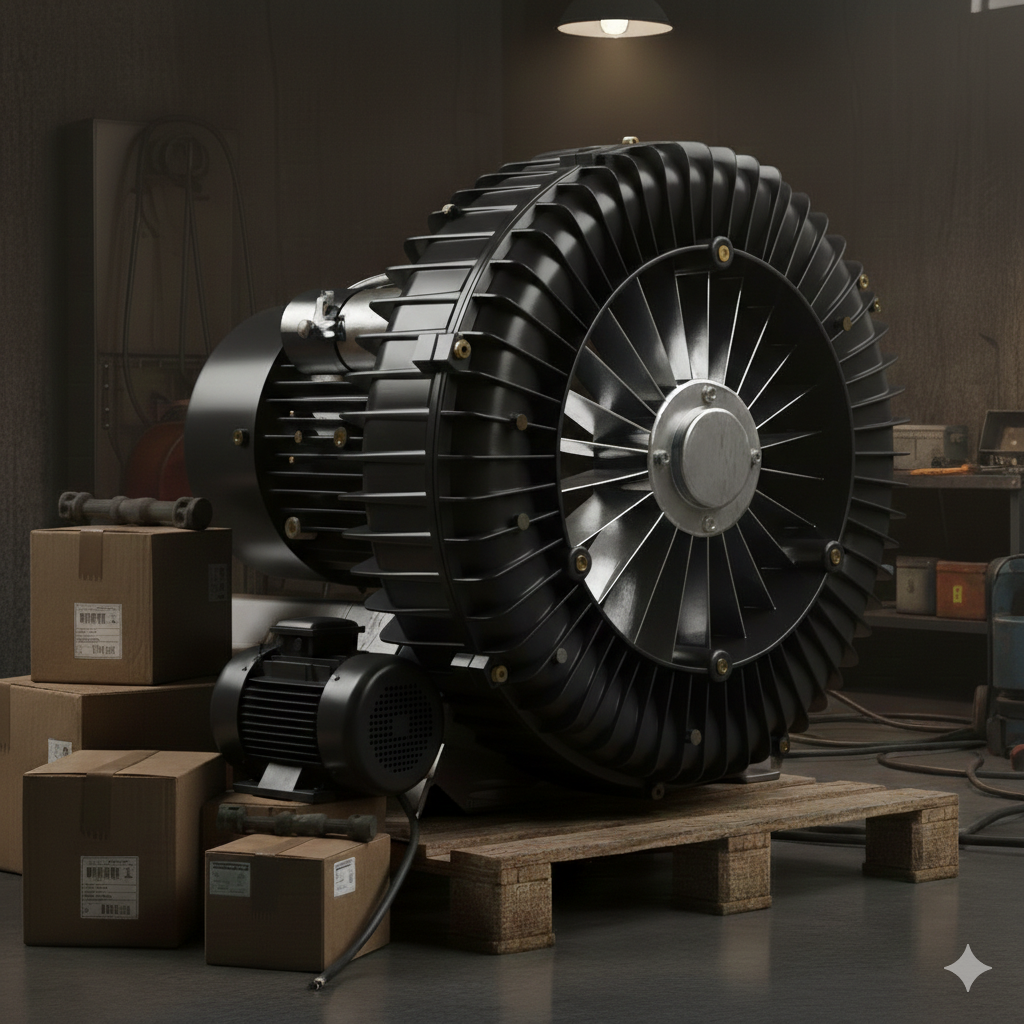
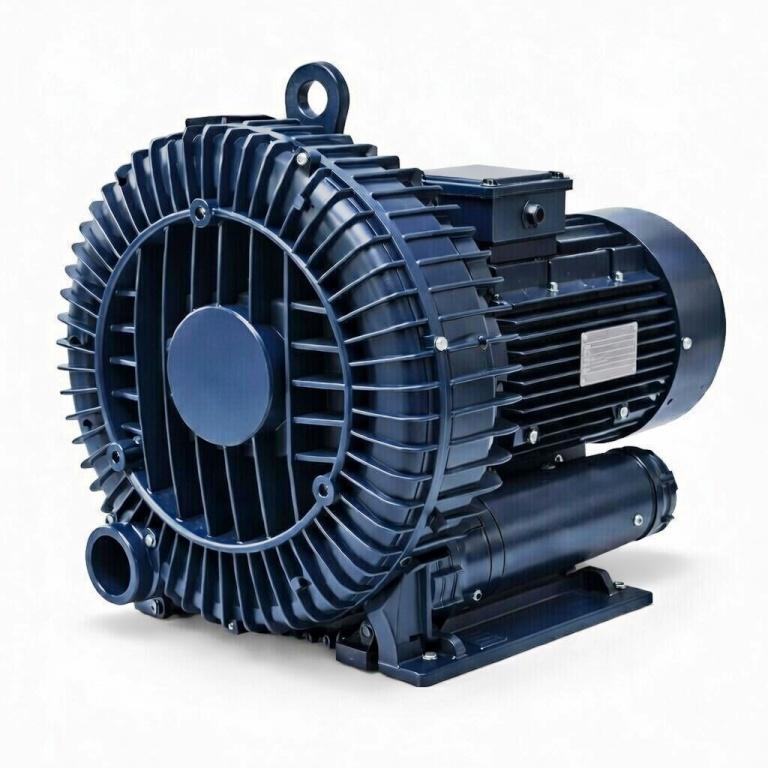
A side channel blower is a dynamic air machine that uses a high-speed impeller rotating inside a specially designed side channel housing. Air enters through the inlet, circulates within the side channel, and gains energy repeatedly through regenerative compression before exiting at higher pressure or vacuum.
Core Technology Principles
- Regenerative compression process
- Dynamic airflow acceleration
- Multiple energy transfer cycles
- Continuous air circulation
- Non-contact compression
This design allows the blower to generate stable pressure and vacuum without mechanical contact between moving parts and the airflow path.
Engineering Design Architecture
Impeller Technology
High-speed precision-balanced impellers are the heart of side channel blowers. Their aerodynamic blade design ensures:
- Efficient air acceleration
- Minimal turbulence
- Reduced noise levels
- High energy transfer efficiency
Side Channel Housing
The specially engineered side channel creates a circular airflow path that enables regenerative compression and energy buildup.
Motor Integration
Integrated high-efficiency motors provide direct drive operation, reducing mechanical losses and increasing reliability.
Bearing Systems
Sealed industrial-grade bearings support continuous-duty operation with minimal friction and long service life.
Cooling Mechanisms
Advanced airflow cooling systems regulate temperature and protect internal components.
Working Mechanism Explained
- Air enters through the inlet port.
- The rotating impeller accelerates air radially.
- Air is pushed into the side channel.
- The air circulates repeatedly within the channel.
- Energy increases with each rotation.
- Pressurised or vacuum air exits through the outlet.
This regenerative loop is what enables side channel blowers to achieve higher pressure and vacuum than conventional centrifugal fans.
Performance Characteristics
Pressure and Vacuum Capabilities
Side channel blowers deliver medium pressure and medium vacuum levels suitable for most industrial processes.
Pulsation-Free Airflow
Continuous smooth airflow ensures stable process performance.
Oil-Free Operation
No lubrication in the compression chamber ensures clean air delivery.
Low Noise Operation
Aerodynamic design minimises acoustic emissions.
Continuous Duty Capability
Designed for 24/7 industrial operation.
High Reliability
Few moving parts reduce mechanical failure risk.
Advantages Over Traditional Technologies
Compared to Roots Blowers
- Lower maintenance
- Oil-free air
- Lower noise
- Lower vibration
Compared to Centrifugal Fans
- Higher pressure generation
- Better vacuum performance
- More stable airflow
Compared to Compressed Air Systems
- Higher energy efficiency
- Lower operational cost
- Reduced energy waste
Side channel blowers offer a balanced solution between pressure capability, efficiency, and reliability.
Industrial Applications
Manufacturing
- Pneumatic conveying
- Vacuum handling systems
- Component cooling
- Dust extraction
Water & Wastewater Treatment
- Aeration systems
- Biological treatment
- Sludge drying
- Filter back washing
Food & Beverage Industry
- Clean air supply
- Packaging systems
- Product drying
- Vacuum sealing
Pharmaceutical Industry
- Clean room air systems
- Sterile packaging
- Vacuum transport
Electronics Industry
- Static control
- Clean air handling
- Component cooling
Textile Industry
- Yarn handling
- Fabric drying
- Pneumatic transport
Aquaculture & Fisheries
- Pond aeration
- Oxygenation systems
- Water circulation
Printing & Packaging
- Paper handling
- Ink drying
- Packaging automation
Environmental Systems
- Air sampling
- Gas handling
- Pollution control
Selection Criteria for Industrial Use
Airflow Capacity
Match blower capacity to process demand.
Pressure/Vacuum Requirement
Define operating pressure levels.
Duty Cycle
Continuous vs intermittent operation.
Environmental Conditions
Temperature, humidity, dust, chemicals.
Noise Requirements
Industrial vs sensitive environments.
Energy Efficiency
Power consumption per airflow unit.
Installation Space
Compact vs centralised systems.
Installation Best Practices
- Proper ventilation
- Vibration isolation mounts
- Inlet filtration
- Adequate cooling airflow
- Correct piping diameter
- Avoid sharp bends in ducting
Maintenance Philosophy
Side channel blowers follow a low-maintenance design model:
- Periodic filter cleaning
- Bearing inspection
- Performance monitoring
- Airflow path cleaning
- Electrical checks
Preventive maintenance ensures long-term performance stability.
Integration with Smart Industrial Systems
Modern side channel blowers integrate with:
- IoT sensors
- Predictive maintenance platforms
- Smart monitoring dashboards
- Energy management systems
- Automation controls
This enables data-driven operations and optimised performance.
Future of Side Channel Blower Technology
The future of side channel blowers includes:
- AI-based monitoring
- Predictive diagnostics
- Smart energy optimisation
- Noise reduction engineering
- Advanced materials
- Digital twin modelling
These innovations will further enhance efficiency, reliability, and sustainability.
Conclusion
Side channel blower technology represents a perfect combination of engineering simplicity and industrial performance. Its regenerative compression principle, oil-free operation, continuous-duty reliability, and wide application range make it one of the most versatile air technologies in modern industry.
From manufacturing and utilities to smart factories and sustainable infrastructure, side channel blowers play a critical role in enabling efficient, reliable, and clean industrial processes. As industries evolve toward automation and sustainability, side channel blower technology will continue to be a foundational pillar of industrial air systems.
This article serves as a technical and industrial reference guide for engineers, system designers, OEMs, and industrial decision-makers seeking advanced air and vacuum solutions.

Leave A Comment