

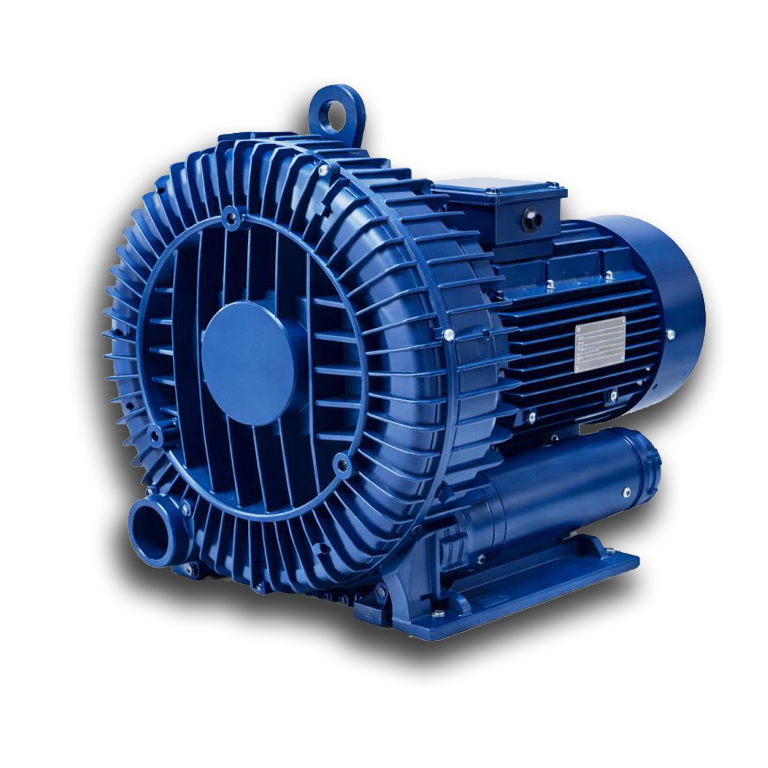
The Future of Industrial Air Systems
Industrial air systems are the silent backbone of manufacturing. They power machines, move materials, support automation, enable clean production, and maintain continuous operations. For decades, air systems have been treated as basic utilities—but the future is changing that.
Today, industrial air systems are becoming smart, efficient, intelligent, sustainable, and integrated into digital manufacturing ecosystems.
The future of industry is not just about machines—it is about systems, and industrial air systems are becoming one of the most important components of modern factories.
From Utility to Smart Infrastructure
In the past, air systems were simple support tools:
- Fixed-speed machines
- Manual controls
- Basic airflow supply
- Reactive maintenance
- High energy consumption
In the future, air systems are becoming:
- Intelligent systems
- Digitally monitored
- Energy-optimized
- AI-supported
- Predictive
- Integrated with automation
- Connected to smart factories
They are transforming from utilities into strategic infrastructure.
Key Forces Driving the Future of Industrial Air Systems
1. Smart Manufacturing
Factories are becoming automated and connected.
2. Energy Optimisation
Industries must reduce energy costs and emissions.
3. Sustainability Pressure
Clean and green manufacturing is now a necessity.
4. Digital Transformation
Data-driven factories need intelligent systems.
5. Automation Growth
Machines now work without human intervention.
6. Cost Efficiency
Industries demand high performance with low cost.
Smart Air Systems: The New Standard
Future industrial air systems will be:
- Sensor-enabled
- Digitally controlled
- AI-monitored
- Cloud-connected
- Data-driven
- Self-optimising
They will adjust airflow automatically based on:
- Production load
- Machine demand
- Energy pricing
- System performance
- Maintenance conditions
AI and Predictive Maintenance
AI-powered air systems will:
- Predict failures before breakdowns
- Detect performance drops
- Optimize airflow efficiency
- Reduce downtime
- Automate maintenance planning
- Improve equipment life
This will shift maintenance from reactive to predictive.
Energy-Efficient Air Infrastructure
Future systems will focus on:
- Low power consumption
- Smart energy management
- Energy recovery systems
- Optimized airflow design
- Low-loss air transmission
- Smart load balancing
Energy will become a controlled asset, not a cost burden.
Sustainability and Green Manufacturing
Industrial air systems will support:
- Carbon reduction
- Clean production
- Zero-oil technologies
- Low-emission operations
- Sustainable factories
- Circular economy models
Clean air will equal clean manufacturing.
Integration with Industry 4.0 and Industry 5.0
Future air systems will integrate with:
- Robotics
- PLC systems
- SCADA platforms
- IoT networks
- Digital twins
- AI platforms
- Smart grids
Airflow will become part of the digital factory brain.
Decentralized Air Systems
Instead of one large central system, factories will use:
- Modular air systems
- Distributed air units
- Localized airflow control
- Scalable air infrastructure
- Flexible layouts
This improves:
- Efficiency
- Reliability
- Expansion capability
- System resilience
Self-Healing Industrial Systems
Future systems will:
- Detect faults
- Isolate failures
- Auto-correct performance
- Self-adjust airflow
- Balance loads automatically
- Protect machines
This creates resilient factories.
Human-Centric Industrial Design
Air systems will support:
- Quiet operations
- Clean environments
- Worker safety
- Comfort-focused factories
- Low-noise infrastructure
- Healthy workplaces
Factories will be designed for humans and machines together.
Digital Twins for Air Systems
Digital twins will:
- Simulate airflow systems
- Predict system behavior
- Optimize design
- Improve performance
- Reduce installation errors
- Improve system planning
Business Impact of Future Air Systems
Industries will benefit from:
- Lower operational cost
- Higher productivity
- Predictable maintenance
- Stable operations
- Energy control
- Higher ROI
- Competitive advantage
- Scalable infrastructure
Future Skills in Industrial Air Engineering
Engineers will need:
- Data analysis skills
- Digital system knowledge
- Automation integration
- AI system understanding
- Smart system design skills
- Sustainability planning
The New Role of Air System Providers
Manufacturers will become:
- Solution providers
- System designers
- Digital partners
- Automation integrators
- Energy consultants
- Infrastructure developers
Not just machine suppliers.
Vision of the Future Factory
The future factory will have:
- Intelligent machines
- Smart air systems
- Automated production
- Clean environments
- Energy-efficient infrastructure
- Digital control rooms
- Predictive systems
- Autonomous operations
Air systems will be part of the core intelligence.
Conclusion
The future of industrial air systems is not mechanical—it is digital, intelligent, sustainable, and strategic. Air systems will evolve from simple machines into smart infrastructure platforms that power the next generation of manufacturing.
Factories of the future will not just use air systems—they will depend on them as intelligent ecosystems.
Industrial air is becoming:
- Smart
- Clean
- Connected
- Efficient
- Predictive
- Sustainable
- Intelligent
The future of manufacturing will be built on smart industrial air systems.

Leave A Comment