

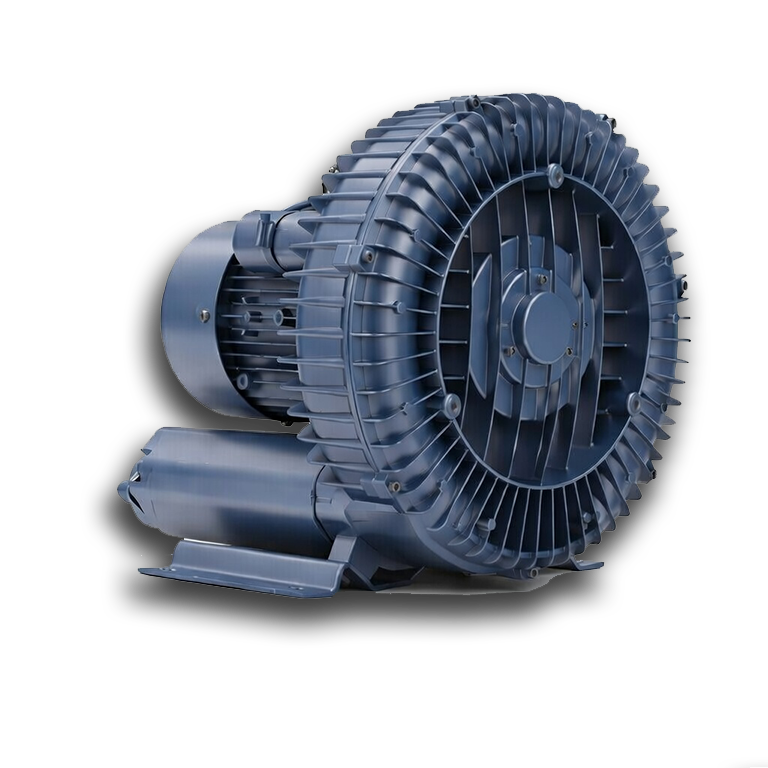
How Air Technology Is Transforming Manufacturing
Manufacturing has changed more in the last few years than in the last few decades. Factories are becoming smarter, cleaner, faster, and more automated. Machines are now connected, systems are intelligent, and production is data-driven.
But behind all this digital transformation, one invisible force is quietly powering the change: air technology.
From material handling and automation to clean manufacturing and smart factories, industrial air systems are transforming the way modern manufacturing works.
Air Technology: From Support System to Core Infrastructure
In traditional factories, air systems were seen as basic support tools:
- Air for machines
- Air for cleaning
- Air for transport
- Air for drying
They were not considered strategic systems.
Today, air technology has become a core part of manufacturing infrastructure, supporting:
- Automation
- Robotics
- Smart systems
- Clean production
- Energy efficiency
- Digital factories
Air is no longer just a utility—it is a production technology.
Powering Automation and Robotics
Modern manufacturing relies on:
- Robotic arms
- Automated conveyors
- Smart machines
- Autonomous systems
- AI-driven production lines
Air technology supports these systems through:
- Vacuum gripping systems
- Pneumatic actuators
- Automated lifting systems
- Smart conveying systems
- Precision air control
Without advanced air systems, automation cannot function.
Enabling Smart Factories
Smart factories use:
- Sensors
- IoT systems
- AI monitoring
- Digital twins
- PLC and SCADA systems
- Cloud platforms
Air systems now integrate with digital systems to provide:
- Real-time airflow monitoring
- Energy optimisation
- Predictive maintenance
- Smart control
- Performance analytics
Air technology has become data-driven.
Transforming Clean Manufacturing
Industries now demand:
- Clean production
- Oil-free air
- Contamination-free systems
- Hygienic environments
- Safe manufacturing
Air technology supports clean manufacturing through:
- Oil-free air systems
- Clean airflow management
- Dust-free environments
- Sterile processing
- Clean room-compatible systems
Clean air = clean products.
Driving Energy Efficiency
Energy cost is a major challenge for industries. Air technology helps by:
- Optimising airflow
- Reducing energy waste
- Smart load management
- Efficient air movement
- Digital energy control
- Sustainable air systems
Air systems are becoming tools for energy management.
Supporting Sustainable Manufacturing
Air technology now supports:
- Green factories
- Low carbon operations
- Clean energy usage
- Sustainable production
- Environmental compliance
- Eco-friendly manufacturing
Sustainability is now part of air system design.
Improving Worker Safety and Comfort
Modern air systems improve:
- Workplace air quality
- Noise reduction
- Heat control
- Dust control
- Clean environments
- Worker comfort
Factories are becoming human-friendly.
Digital Control and Monitoring
Air systems now use:
- Smart sensors
- IoT connectivity
- Remote monitoring
- Cloud dashboards
- AI analytics
- Predictive maintenance tools
This transforms air systems into intelligent machines.
Flexible and Modular Manufacturing
Modern factories need flexibility. Air systems now support:
- Modular production lines
- Scalable factories
- Flexible layouts
- Rapid expansion
- Custom systems
Air technology enables agile manufacturing.
Supporting High-Speed Production
High-speed manufacturing needs:
- Stable airflow
- Reliable pressure
- Continuous operation
- Low downtime
- High reliability
Air technology provides production stability.
Industry Applications of Modern Air Technology
Air systems transform:
- Packaging industries
- Bottling plants
- Food processing
- Pharmaceutical production
- Electronics manufacturing
- Automotive plants
- Chemical processing
- Wastewater treatment
- Textile manufacturing
Business Impact of Air Technology
For manufacturers, air technology delivers:
- Higher productivity
- Lower costs
- Energy savings
- Reduced downtime
- Better quality
- Faster production
- Predictable operations
- Long-term ROI
- Competitive advantage
The Future of Manufacturing with Air Technology
Future manufacturing will be:
- Smart
- Automated
- Clean
- Sustainable
- Digital
- Energy-efficient
- Human-centric
- AI-driven
And air technology will be at the center of this transformation.
Conclusion
Air technology is no longer a background system—it is a transformational force in manufacturing. It powers automation, enables clean production, drives energy efficiency, supports smart factories, and enables digital transformation.
The factories of the future will not just use machines—they will use intelligent systems, and air technology will be one of the most important systems powering modern manufacturing.
Manufacturing is evolving—and air technology is leading the transformation.

Leave A Comment