

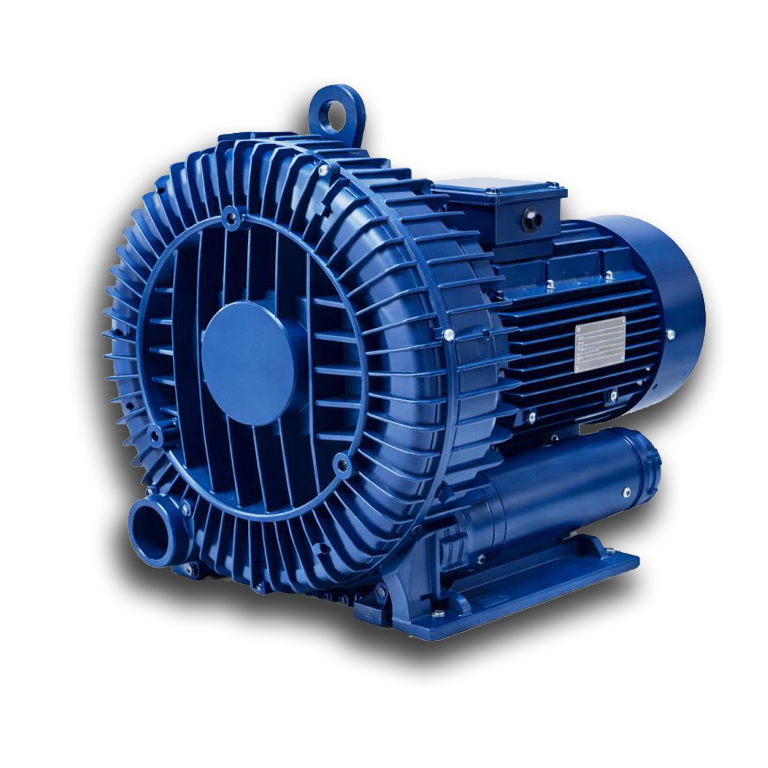
How Industrial Air Systems Improve Profit Margins
In modern manufacturing, increasing profit margins is not only about selling more products. It is also about reducing costs, improving efficiency, minimising waste, and optimising operations.
One powerful but often overlooked factor in profitability is industrial air systems.
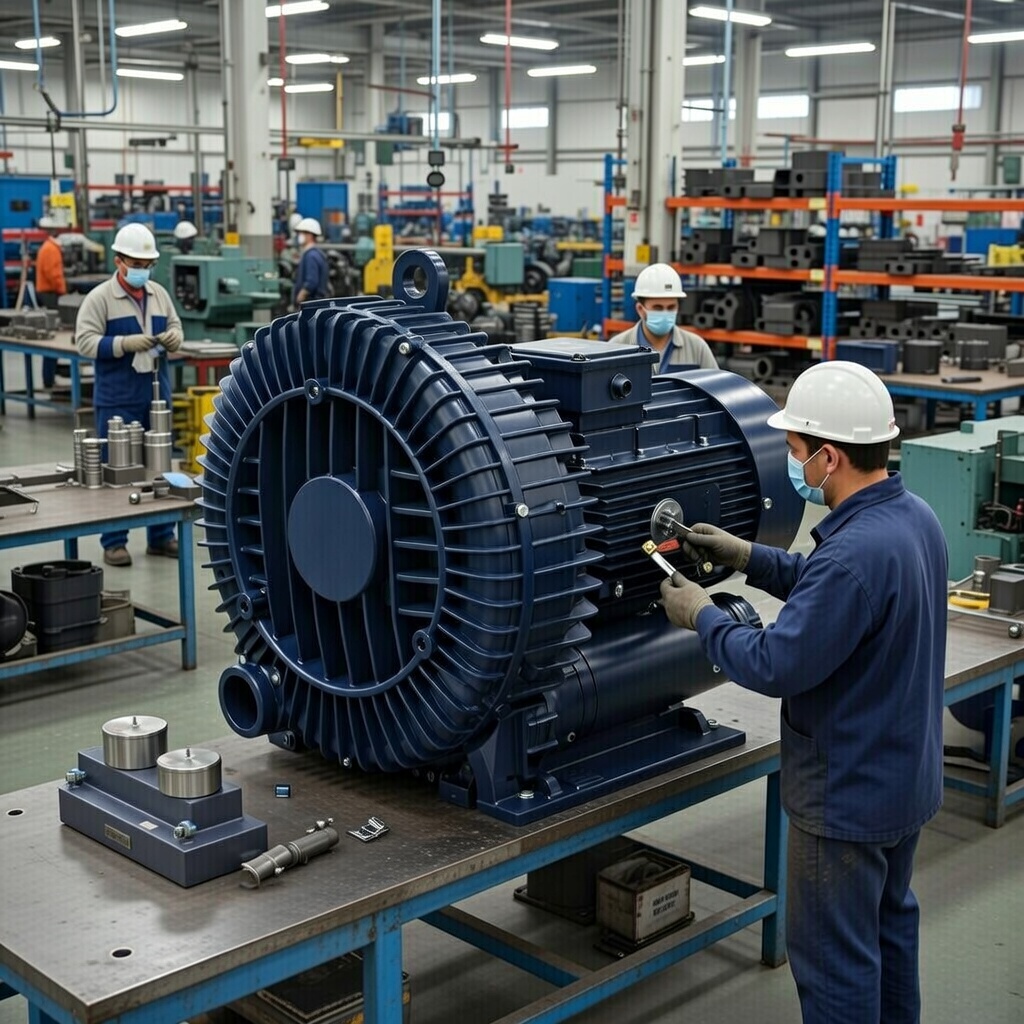
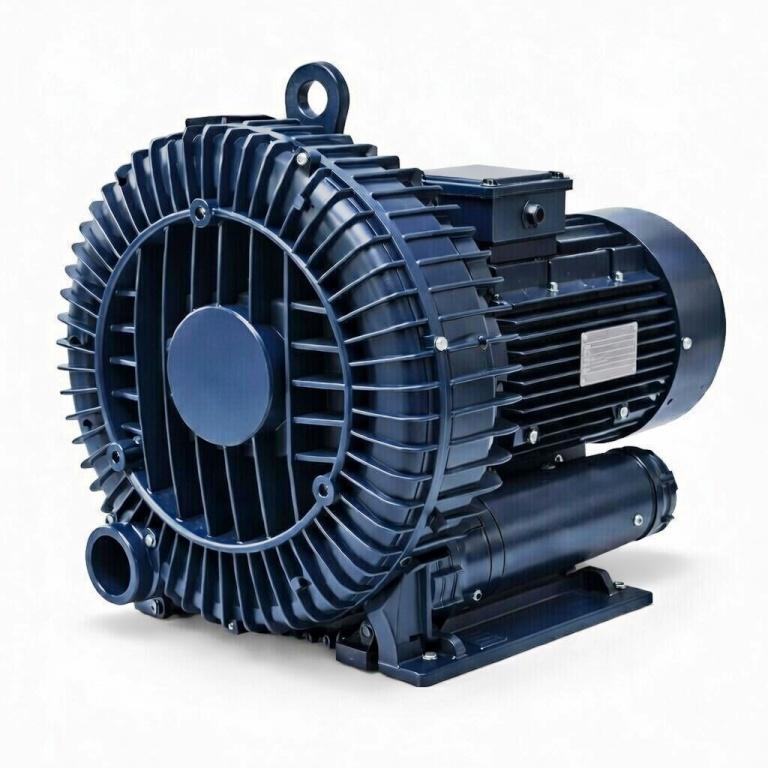
From production floors to automation lines, industrial air systems quietly support operations every second. When designed correctly, they do much more than move air—they create measurable financial value.
Industrial Air Systems: More Than Just Equipment
Most industries think of air systems as:
- Utility machines
- Supporting equipment
- Basic infrastructure
- Maintenance tools
But in reality, industrial air systems are profit-generating systems.
They directly influence:
- Production efficiency
- Energy consumption
- Product quality
- Downtime
- Maintenance costs
- Workforce productivity
- Process stability
Energy Efficiency = Direct Cost Savings
Energy is one of the biggest expenses in manufacturing.
Modern industrial air systems are designed to:
- Use optimised airflow paths
- Reduce energy loss
- Control pressure levels
- Balance system loads
- Eliminate unnecessary air usage
- Improve motor efficiency
- Reduce power wastage
Lower energy consumption = lower operating costs = higher profit margins
Reduced Downtime = Higher Productivity
System failures cause:
- Production stops
- Missed deadlines
- Labor losses
- Material wastage
- Revenue loss
Efficient air systems offer:
- Stable performance
- Predictive maintenance
- Reliable operation
- Continuous airflow
- Low breakdown risk
- Long operational life
More uptime = more production = more revenue
Better Product Quality = Lower Rejection Costs
Poor air systems can cause:
- Contamination
- Dust defects
- Moisture damage
- Packaging failures
- Process instability
- Product rejection
High-quality air systems ensure:
- Clean air supply
- Stable pressure
- Controlled airflow
- Oil-free operation
- Process precision
Better quality = fewer rejects = lower waste = higher profits
Automation Support = Faster Production
Industrial air systems power:
- Pneumatic automation
- Robotic handling
- Vacuum gripping
- Conveyor systems
- Packaging lines
- Smart production units
Automation increases:
- Production speed
- Output volume
- Consistency
- Accuracy
- Scalability
Higher output with same resources = higher margins
Lower Maintenance Costs
Old systems require:
- Frequent repairs
- Spare parts
- Labor
- Shutdowns
- High service costs
Modern air systems offer:
- Low-maintenance design
- Long-life components
- Predictive servicing
- Digital monitoring
- Smart diagnostics
Lower maintenance cost = better operational profit
Reduced Waste and Material Loss
Air system inefficiencies cause:
- Product damage
- Spillage
- Packaging errors
- Process failures
- Material wastage
Optimized air systems reduce:
- Handling errors
- Transport damage
- Process instability
- Rework needs
Less waste = better cost control
Workforce Productivity Improvement
Good air systems improve:
- Working environment
- Noise control
- Dust control
- Temperature regulation
- Air quality
- Worker comfort
Better environment leads to:
- Higher focus
- Better efficiency
- Fewer errors
- Safer workplaces
- Higher output
Productive workers = profitable operations
Smart Monitoring and Cost Control
Modern air systems use:
- IoT sensors
- Smart controllers
- Digital dashboards
- AI analytics
- Predictive data
- Remote monitoring
This allows:
- Energy tracking
- Cost optimisation
- Performance tuning
- Process optimisation
- Predictive budgeting
Data-driven systems = smarter profit management
Scalability and Business Growth
Air systems support:
- Factory expansion
- New production lines
- Business scaling
- Market growth
- Capacity expansion
Scalable systems reduce future investment risks.
Compliance and Certification Savings
Good air systems help with:
- Industry certifications
- Quality standards
- Safety compliance
- Environmental regulations
- Clean manufacturing standards
Avoiding penalties and failures saves money.
Industries Benefiting Financially from Air Systems
- Manufacturing plants
- Packaging industries
- Bottling plants
- Food processing
- Pharmaceuticals
- Automotive
- Electronics
- Textile industries
- Chemical plants
- Wastewater treatment plants
Long-Term ROI of Industrial Air Systems
An efficient industrial air system delivers:
- Long-term savings
- Predictable costs
- Stable operations
- Reduced risk
- Sustainable growth
- High ROI
- Business resilience
It becomes an investment, not an expense.
Future Profit Models with Smart Air Systems
Future factories will use:
- AI-controlled airflow
- Smart energy systems
- Digital air twins
- Autonomous maintenance
- Predictive cost control
- Self-optimising systems
Air systems will become financial optimisation tools.
Conclusion
Industrial air systems are not just machines—they are business performance systems. They influence energy costs, production efficiency, product quality, workforce productivity, automation, and long-term sustainability.
Companies that invest in intelligent, efficient, and modern air systems gain:
- Lower costs
- Higher output
- Better quality
- Faster production
- Stronger competitiveness
- Better profit margins
In today’s competitive manufacturing world, industrial air systems are a profit strategy.

Leave A Comment