

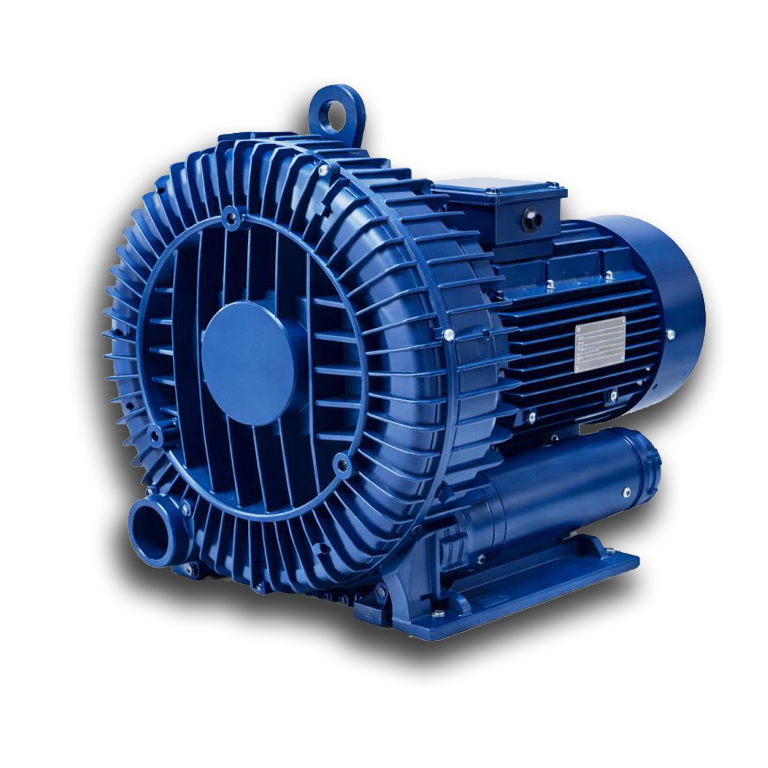
Safety Tips for Operating Ring Blowers
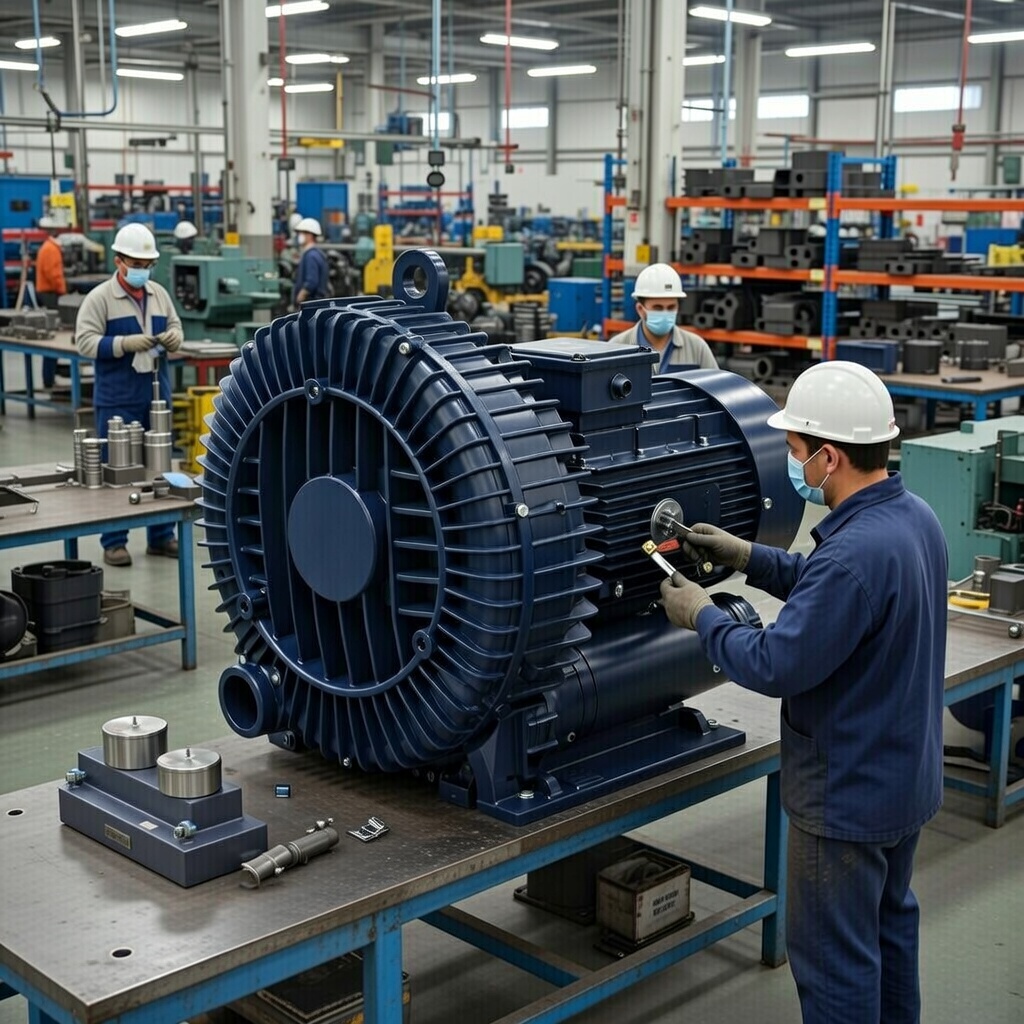
Ring blowers are reliable and efficient industrial machines, but like all industrial equipment, they must be operated safely. Improper use, poor maintenance, or unsafe handling can lead to accidents, machine damage, and production loss.
By following simple safety practices, you can ensure safe operation, long equipment life, and a secure working environment.
This guide explains the most important safety tips for operating ring blowers in industrial settings.
1. Proper Installation Is Critical
Safety starts with correct installation.
Best practices:
- Install on a flat and stable surface
- Use vibration-absorbing mounts
- Ensure proper alignment
- Maintain adequate ventilation
- Keep away from heat sources
- Allow enough space for cooling airflow
Poor installation increases vibration, overheating, and failure risk.
2. Ensure Clean Air Intake
Dirty air can damage internal parts and cause overheating.
Safety actions:
- Install air filters
- Clean filters regularly
- Prevent dust and debris entry
- Avoid moisture intake
- Protect from chemical vapors
Clean air protects both the machine and workers.
3. Do Not Block Inlet or Outlet
Blocked airflow creates dangerous pressure build-up.
Risks:
- Motor overheating
- Internal damage
- Pressure spikes
- System failure
- Fire hazards
Always keep air paths clear.
4. Avoid Overloading the Blower
Operating beyond rated limits is unsafe.
Prevent:
- Excessive pressure demand
- Choked pipelines
- Wrong pipe sizing
- Closed valves during operation
- Improper system design
Overloading causes overheating and mechanical failure.
5. Electrical Safety Is Essential
Electrical faults are a major safety risk.
Follow these rules:
- Proper grounding
- Correct voltage supply
- Overload protection
- Thermal protection systems
- Certified wiring
- Emergency stop systems
Electrical safety protects people and equipment.
6. Use Protective Guards and Covers
Never operate exposed machines.
Ensure:
- Belt guards
- Coupling covers
- Fan covers
- Protective enclosures
- Safety grills
Guards prevent accidental contact and injury.
7. Monitor Temperature Regularly
Overheating is dangerous.
Safety steps:
- Monitor motor temperature
- Check housing heat
- Ensure cooling airflow
- Install thermal sensors
- Stop operation if overheating occurs
Heat damage can lead to fire risks and equipment failure.
8. Control Noise and Vibration
High noise and vibration indicate problems.
Safety actions:
- Monitor abnormal noise
- Check vibration levels
- Use vibration isolators
- Install noise silencers if required
Uncontrolled vibration can cause structural damage and accidents.
9. Follow Safe Start-Up and Shutdown Procedures
Wrong handling can damage equipment.
Always:
- Start with open airflow
- Avoid sudden load changes
- Follow standard startup steps
- Use proper shutdown procedures
- Avoid emergency stops unless necessary
Controlled operation ensures safety.
10. Keep Work Area Clean
Messy areas cause accidents.
Maintain:
- Clean floors
- Clear access paths
- Organized cables
- Dry surfaces
- Clear emergency exits
A clean environment is a safe environment.
11. Train Operators Properly
Human error is a major safety risk.
Training should include:
- Operation procedures
- Safety protocols
- Emergency handling
- Basic maintenance
- Hazard identification
Trained operators prevent accidents.
12. Perform Regular Inspections
Routine checks prevent failures.
Inspect:
- Electrical connections
- Filters
- Bearings
- Mounting bolts
- Airflow paths
- Noise and vibration
Early detection prevents accidents.
13. Follow Lockout/Tagout Procedures
Never service live machines.
Always:
- Power off the blower
- Lock electrical supply
- Tag the system
- Confirm zero energy
- Follow maintenance safety rules
This prevents accidental startup.
14. Emergency Preparedness
Be ready for unexpected situations.
Safety measures:
- Emergency stop switches
- Fire extinguishers nearby
- Alarm systems
- Clear emergency procedures
- First-aid kits
Preparedness saves lives.
15. Use Manufacturer Guidelines
Always follow official instructions.
Never:
- Modify safety systems
- Bypass protection devices
- Ignore warnings
- Use unauthorised spare parts
Manufacturer rules exist for safety reasons.
Business Benefits of Safe Operation
Safe operation leads to:
- Fewer accidents
- Less downtime
- Lower maintenance cost
- Longer machine life
- Better productivity
- Compliance with safety laws
- Employee confidence
- Insurance risk reduction
Safety improves both people and profits.
Conclusion
Ring blowers are safe and reliable machines when used correctly. Most accidents happen due to carelessness, poor maintenance, and unsafe practices.
By following proper installation, electrical safety, clean air intake, overload control, regular inspections, and operator training, you can ensure:
✅ Safe operation
✅ Long equipment life
✅ Stable production
✅ Protected workers
✅ Compliance with regulations
Safety is not an extra step —
It is part of professional industrial operation.
Operate smart. Operate safe. Protect people and productivity.

Leave A Comment