

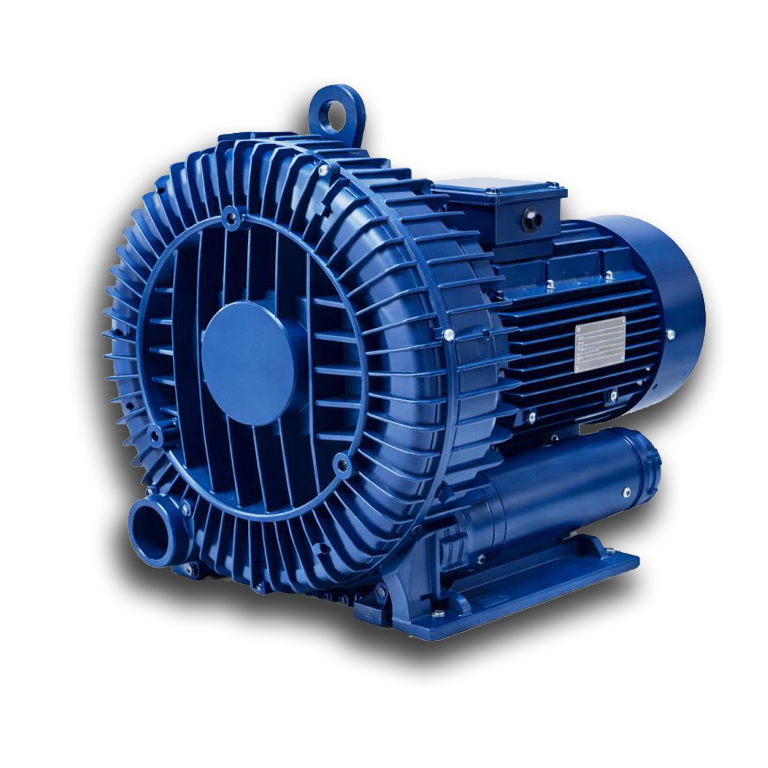
Airflow Control in Automated Production Lines Using Ring Blowers
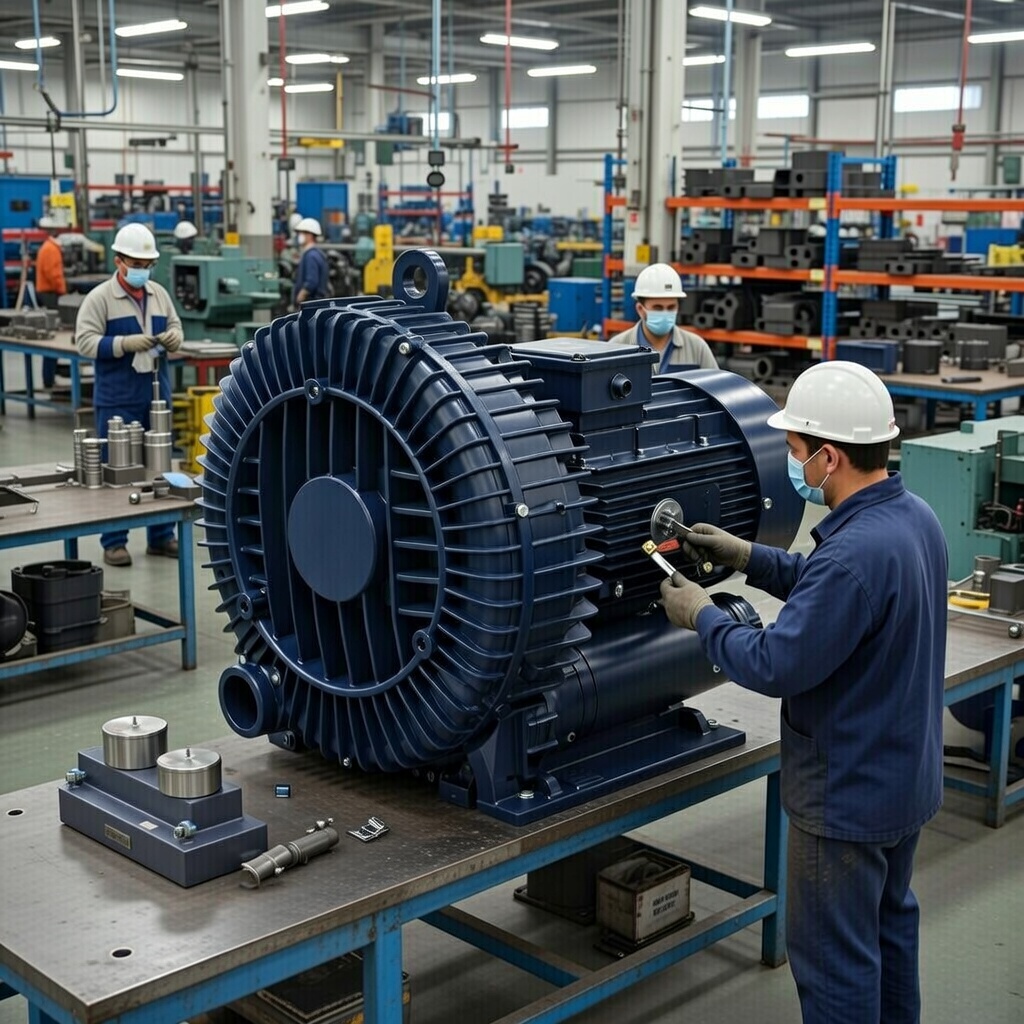
Modern manufacturing is driven by automation, precision, and efficiency. In automated production lines, airflow is not just support energy — it is a control tool. From material handling and vacuum lifting to drying, cooling, and conveying, airflow directly impacts speed, quality, safety, and productivity.
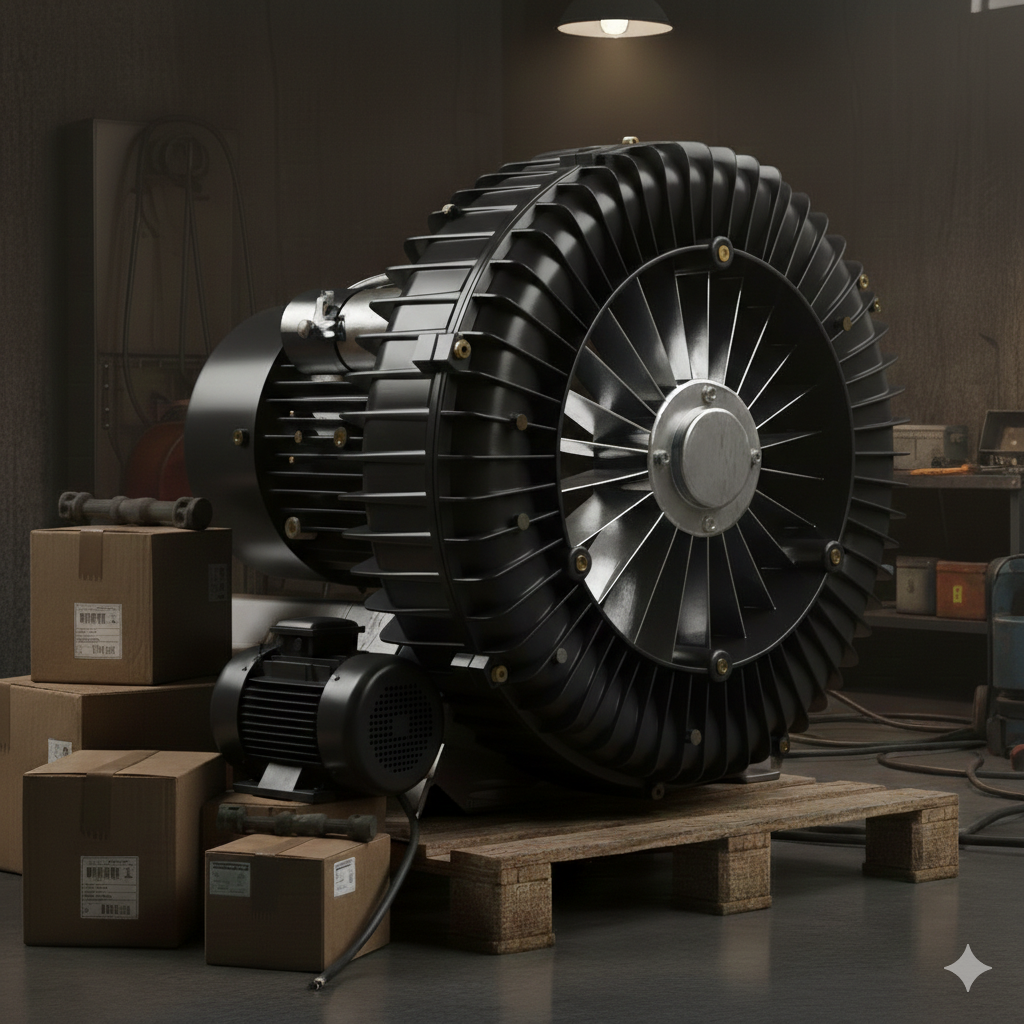
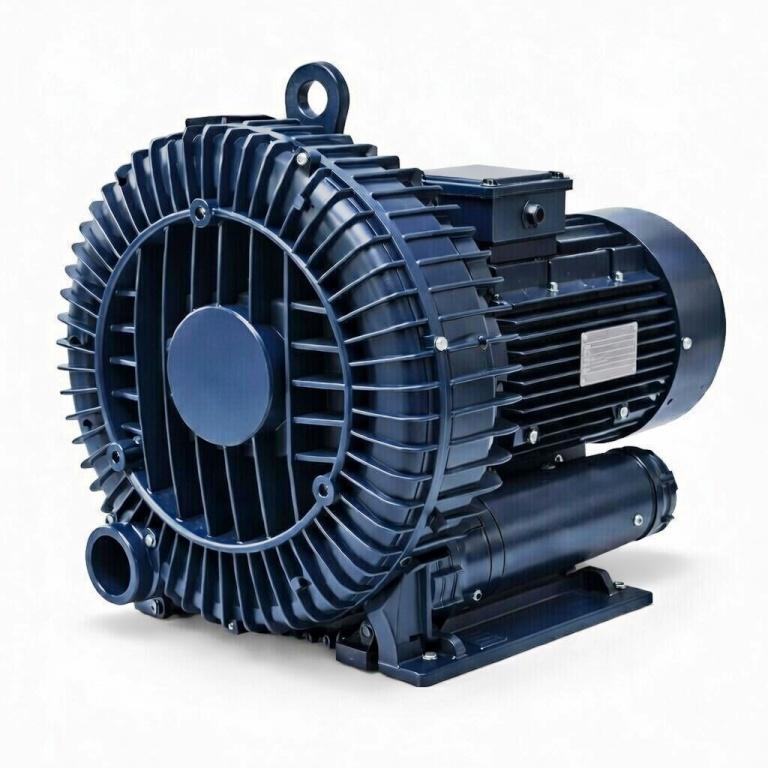
Ring blowers (side channel blowers / regenerative blowers) play a key role in providing stable, controllable, and reliable airflow for automated systems.
This blog explains how airflow control using ring blowers powers modern automated production lines in a simple and practical way.
Why Airflow Control Is Critical in Automation
Automated production lines require:
- Precise airflow levels
- Stable pressure and vacuum
- Consistent performance
- Fast response time
- Process synchronization
- Continuous operation
- Energy efficiency
- Smart control systems
Unstable airflow = unstable automation.
Role of Ring Blowers in Automated Lines
Ring blowers provide:
- Continuous airflow
- Oil-free clean air
- Stable pressure
- Stable vacuum
- Low maintenance operation
- Reliable performance
- Energy-efficient operation
- Compact installation
- Quiet performance
This makes them ideal for automation environments.
Core Airflow Control Functions
🔹 Vacuum Control Systems
Used for:
- Pick-and-place robots
- Vacuum gripping
- Sheet handling
- Packaging automation
- Material transfer
- Component lifting
Controlled vacuum = safe handling
🔹 Pressure Control Systems
Used for:
- Pneumatic conveying
- Air knives
- Drying systems
- Cooling lines
- Air curtains
- Product separation
Controlled pressure = stable processes
🔹 Flow Regulation Systems
Flow must be regulated for:
- Process accuracy
- Energy efficiency
- System protection
- Performance balance
Airflow Control Technologies
⚙ Variable Frequency Drives (VFD)
Control blower speed to regulate airflow.
Benefits:
- Energy savings
- Precise airflow
- Load-based control
- Soft start/stop
- Process stability
🌐 Smart Sensors
Used to monitor:
- Pressure
- Vacuum
- Flow rate
- Temperature
- Load
Sensors provide real-time data.
🧠 PLC & Automation Control
Blowers integrate with:
- PLC systems
- SCADA systems
- Automation platforms
- Robotics systems
- Industrial controllers
This allows synchronized control.
🔄 Control Valves & Regulators
Used for:
- Flow control
- Pressure regulation
- Vacuum regulation
- Load balancing
Smart Airflow Management
Modern factories use:
- Digital dashboards
- Real-time monitoring
- AI-based control
- Predictive maintenance
- Energy optimization
- Automated diagnostics
- Remote control
Airflow becomes digital infrastructure.
Applications in Automated Production Lines
🏭 Material Handling
- Vacuum lifting
- Conveying systems
- Automated transfer
- Sorting systems
📦 Packaging Lines
- Vacuum packaging
- Product holding
- Carton forming
- Bottle handling
🤖 Robotics Systems
- Pick-and-place robots
- Gripper systems
- Automation tools
- Assembly robots
🧪 Clean Manufacturing
- Cleanroom airflow
- Controlled environments
- Contamination control
🧱 Industrial Processing
- Drying lines
- Cooling tunnels
- Filtration systems
Energy Efficiency in Airflow Control
Optimized airflow control delivers:
- Lower power consumption
- Reduced energy waste
- Load-based operation
- Process optimization
- Sustainable production
Reliability & Safety Benefits
Controlled airflow ensures:
- Safe handling
- Process stability
- Equipment protection
- Automation reliability
- Reduced failures
- Operational safety
System Design Considerations
Effective airflow control needs:
- Proper blower sizing
- Correct pipe design
- Balanced airflow distribution
- Leak-free systems
- Smart control integration
- Redundancy planning
- System monitoring
Future of Airflow Control in Automation
Future systems will use:
- AI-driven airflow optimization
- Autonomous control systems
- Digital twin modeling
- Self-learning airflow systems
- Smart factories integration
- Adaptive automation
- Intelligent energy management
Business Benefits
📈 Higher productivity
📉 Lower energy cost
🛠 Reduced maintenance
🔁 Continuous operations
⚙ Stable automation
🌱 Sustainable manufacturing
🏭 Long-term reliability
📊 Process efficiency
🔒 Operational safety
Conclusion
Airflow control in automated production lines using ring blowers is the foundation of modern industrial automation.
Ring blowers transform air into a controlled industrial force that enables:
- Precision automation
- Smart manufacturing
- Clean production
- Energy efficiency
- Reliable operations
- Scalable production systems
In the factories of the future, machines will not just move products —
They will control air with intelligence.
And ring blowers will be the systems that make it possible.

Leave A Comment