

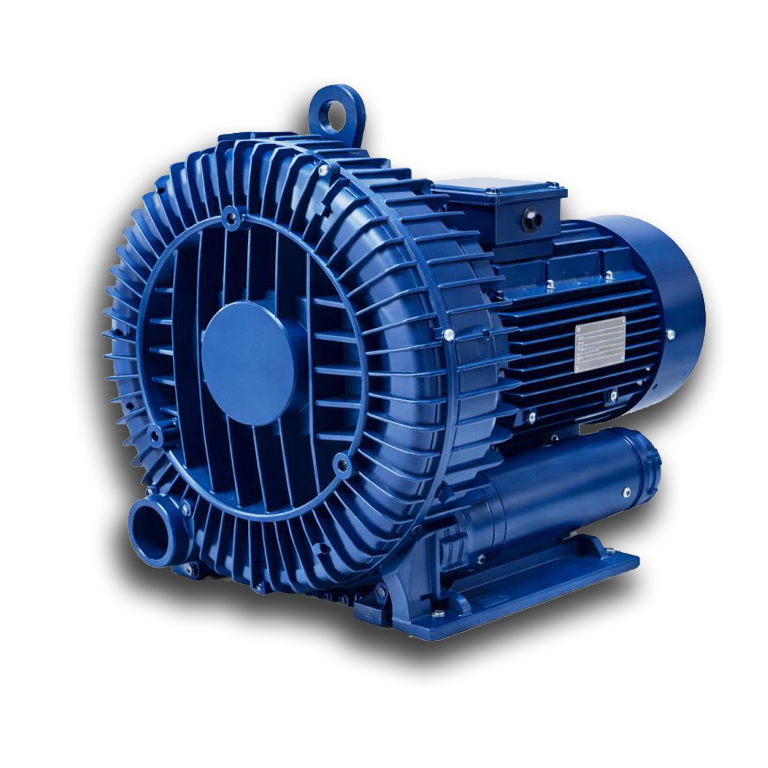
ESG Manufacturing Models Powered by Ring Blowers
Building Responsible, Sustainable & Future-Ready Industrial Ecosystems
Introduction
Environmental, Social, and Governance (ESG) principles have become the foundation of modern industrial development. Today’s manufacturing organizations are no longer evaluated only on productivity and profitability—they are measured by environmental responsibility, social impact, worker safety, ethical operations, and sustainable governance.
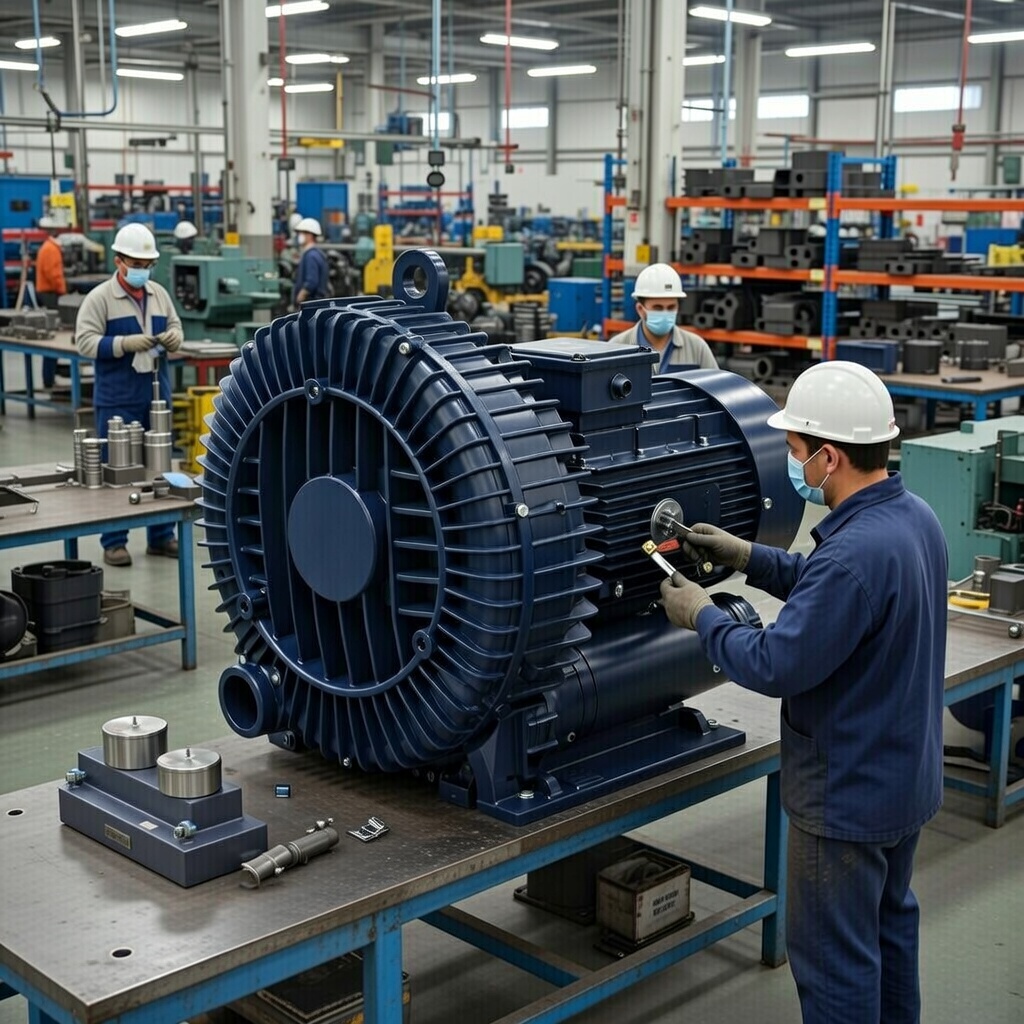
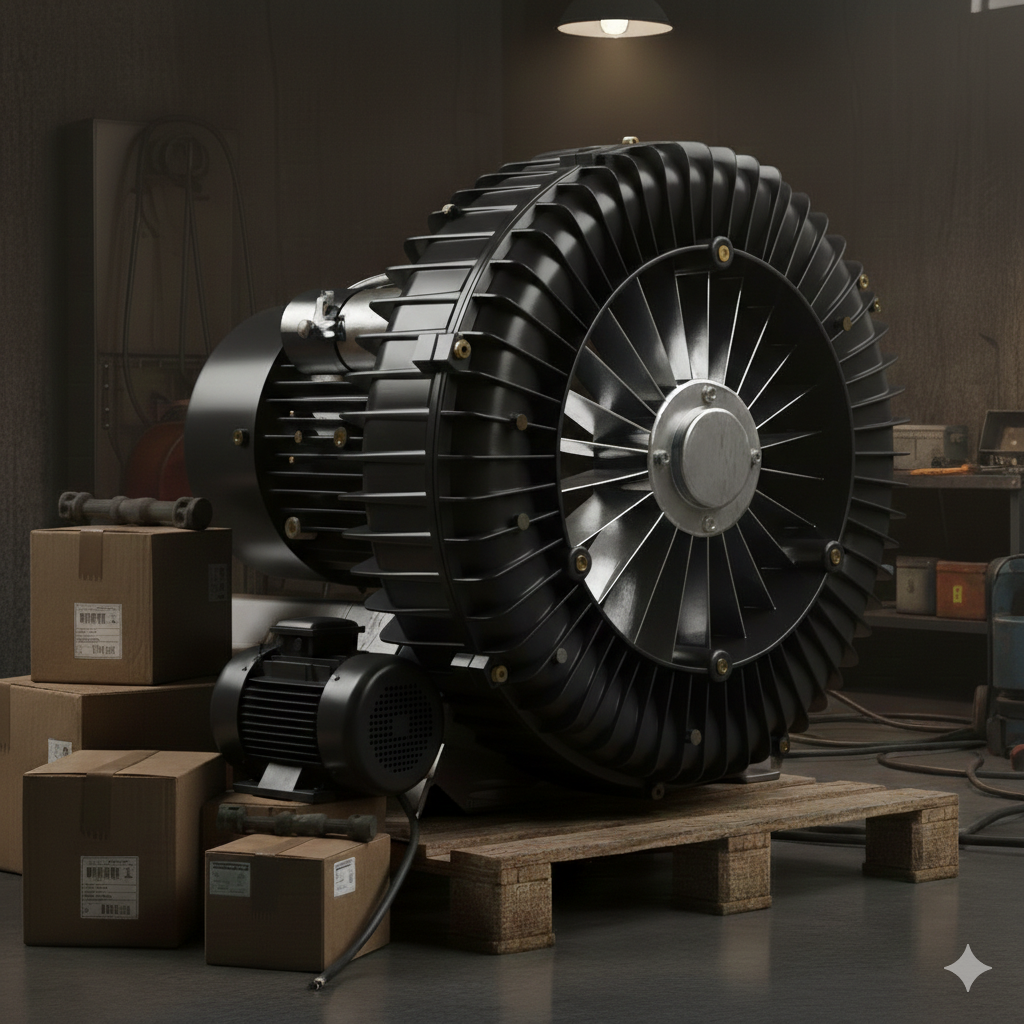
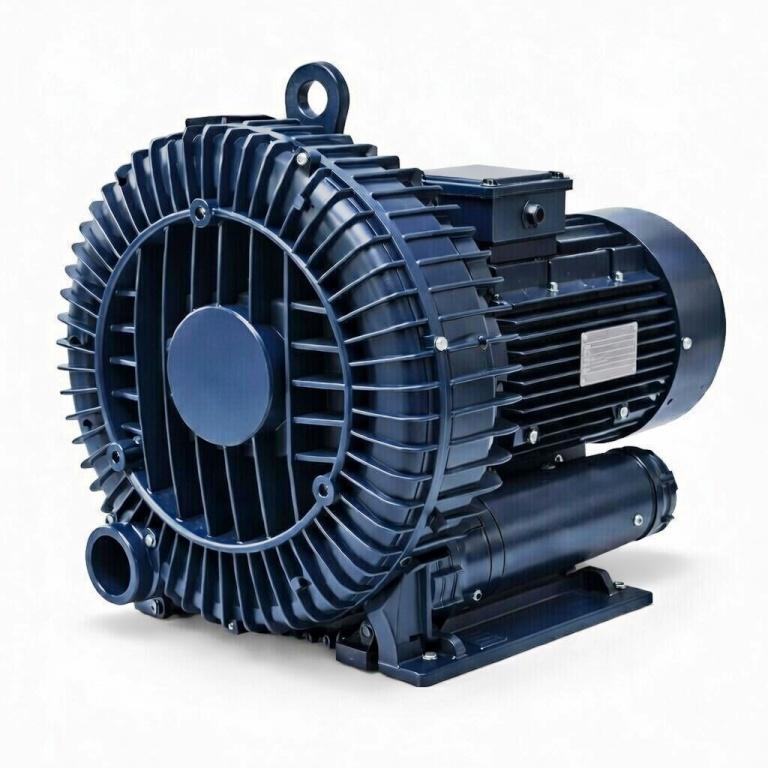
As industries transition toward sustainable manufacturing models, clean technologies play a vital role in achieving ESG goals. One such enabling technology is the Ring Blower (Side Channel / Regenerative Blower). With oil-free operation, energy-efficient performance, low noise, continuous-duty capability, and long service life, ring blowers support clean air systems, sustainable production processes, and green industrial infrastructure.
This ESG Manufacturing Models Hub explains how ring blower technology empowers industries to design responsible, compliant, and future-ready manufacturing systems aligned with global ESG standards.
Understanding ESG in Manufacturing
Environmental (E)
Focuses on:
- Carbon footprint reduction
- Energy efficiency
- Emission control
- Resource optimization
- Waste reduction
- Pollution prevention
Social (S)
Focuses on:
- Worker safety
- Health and well-being
- Clean working environments
- Community impact
- Ethical labor practices
- Skill development
Governance (G)
Focuses on:
- Compliance
- Transparency
- Risk management
- Operational accountability
- Sustainable leadership
- Long-term business resilience
Why Ring Blowers Are ESG-Enabling Technologies
Ring blowers operate on regenerative airflow technology, producing pressure and vacuum without oil, combustion, or chemical processes. This makes them inherently clean and sustainable.
ESG-Aligned Benefits:
- Oil-free, contamination-free air
- Energy-efficient motors
- Low power consumption
- Low noise pollution
- Minimal vibration
- Long service life
- Low maintenance footprint
- Reduced waste generation
Environmental Impact (E)
1. Energy-Efficient Air Systems
- High-efficiency airflow generation
- Low power-to-output ratio
- Reduced energy wastage
2. Clean Manufacturing Processes
- Contamination-free air supply
- Dust-free production systems
- Pollution control integration
3. Emission Reduction
- No combustion emissions
- Support for carbon-neutral manufacturing
- Low indirect carbon footprint
4. Sustainable Resource Usage
- Low maintenance
- Long equipment life
- Reduced spare part consumption
Social Responsibility Impact (S)
1. Worker Health & Safety
- Clean air environments
- Low noise workplaces
- Reduced respiratory hazards
- Improved indoor air quality
2. Clean Workspaces
- Dust-free manufacturing
- Hygienic production lines
- Safe material handling
3. Community Impact
- Reduced industrial pollution
- Lower noise pollution
- Cleaner surrounding environments
Governance & Compliance Impact (G)
1. Regulatory Compliance
- Environmental norms
- Safety regulations
- Energy efficiency standards
2. Operational Transparency
- Smart monitoring systems
- Digital performance tracking
3. Risk Management
- Equipment reliability
- Reduced failure risks
- Predictive maintenance
ESG Manufacturing Models Using Ring Blowers
1. Green Factory Model
- Energy-efficient air systems
- Sustainable infrastructure
- Smart airflow management
2. Clean Manufacturing Model
- Dust-free production
- Contamination-free processes
- Hygienic environments
3. Smart Factory Model
- IoT integration
- AI monitoring
- Predictive maintenance
4. Circular Economy Model
- Waste reduction
- Resource reuse
- Sustainable material flows
Industry-Specific ESG Solutions
Wastewater & Environmental Sector
- STP/ETP aeration
- Pollution control systems
- Water recycling plants
Manufacturing & Automation
- Clean production lines
- Smart air systems
- Energy-optimized plants
Food & Pharmaceuticals
- Hygienic airflow systems
- GMP-compliant environments
Aquaculture & Agriculture
- Sustainable oxygenation
- Eco-friendly farming
Digital ESG Integration
- ESG data monitoring
- Smart dashboards
- Carbon tracking systems
- Energy analytics
- Sustainability reporting integration
Economic Value of ESG Manufacturing
- Reduced operating costs
- Energy savings
- Long-term asset value
- Higher investor confidence
- Brand reputation growth
- Regulatory risk reduction
Future of ESG Manufacturing with Ring Blowers
The future includes:
- Carbon-neutral factories
- Fully automated green plants
- AI-powered sustainability systems
- Smart ESG monitoring platforms
- Digital compliance systems
- Sustainable industrial ecosystems
Conclusion
ESG manufacturing is not just a compliance strategy—it is a long-term business transformation model. Ring blower technology plays a strategic role in enabling this transformation by delivering clean air systems, energy efficiency, operational reliability, and sustainable infrastructure.
By integrating ring blowers into ESG-driven manufacturing models, industries can achieve environmental responsibility, social impact, and strong governance while maintaining productivity, profitability, and competitiveness.
Ring blowers are no longer just industrial machines—they are enablers of responsible industrial development and sustainable economic growth.

Leave A Comment