

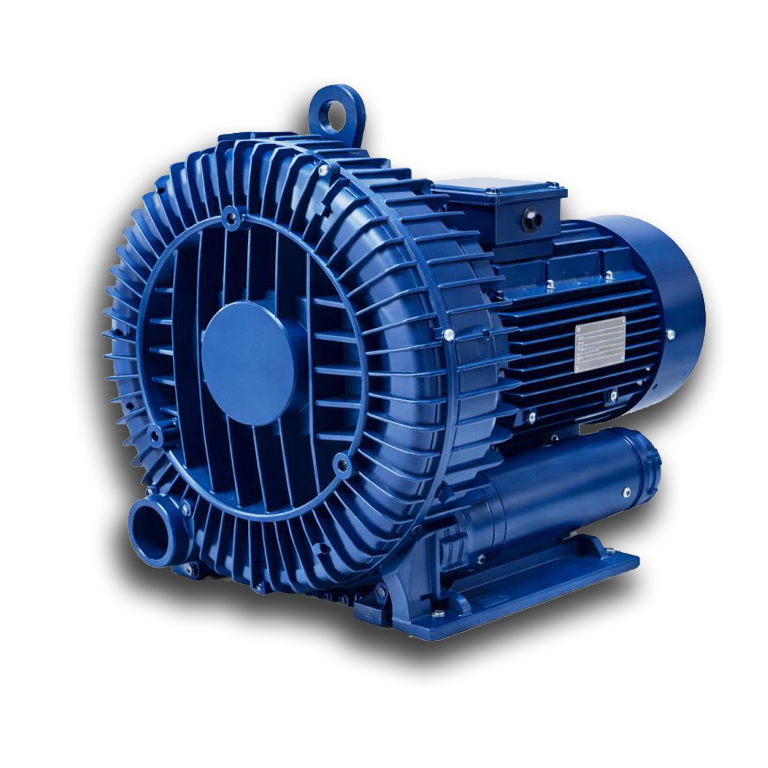
Ring Blowers and Industrial Digital Transformation
Industries across the world are moving towards digital transformation. Factories are becoming smarter, machines are becoming connected, and production systems are becoming intelligent. This shift is known as Industry 4.0 and digital manufacturing.
In this transformation journey, ring blowers (side channel / regenerative blowers) are no longer just air machines. They are becoming smart digital assets that support automation, data systems, and intelligent production environments.
This blog explains in simple language how ring blowers support industrial digital transformation and why they are essential in modern smart factories.
What Is Industrial Digital Transformation?
Industrial digital transformation means using:
- Digital technologies
- Smart sensors
- IoT systems
- Automation software
- AI analytics
- Cloud platforms
- Data systems
- Smart machines
to improve:
- Productivity
- Efficiency
- Quality
- Safety
- Cost control
- Sustainability
- Decision-making
Role of Ring Blowers in Digital Factories
Traditional ring blowers:
- Worked mechanically
- Had manual monitoring
- Fixed-speed operation
- Reactive maintenance
Modern ring blowers:
- Are digitally connected
- Smart controlled
- Sensor-enabled
- Data-driven
- Automation-integrated
They become part of the digital factory ecosystem.
How Ring Blowers Enable Digital Transformation
🧠 Smart Control Systems
Ring blowers now integrate with:
- PLC systems
- SCADA platforms
- DCS systems
- Smart controllers
- VFD drives
- Automation panels
This allows:
- Remote control
- Speed adjustment
- Load balancing
- Smart airflow control
- Process optimization
🌐 IoT Connectivity
Digital ring blowers support:
- IoT sensors
- Cloud connectivity
- Data transmission
- Remote diagnostics
- Real-time monitoring
Factories can monitor:
- Airflow performance
- Pressure levels
- Temperature
- Power consumption
- Vibration
- Motor health
📊 Data-Driven Operations
Ring blowers provide data for:
- Performance analytics
- Energy analytics
- Production optimization
- Process improvement
- Cost tracking
- Maintenance planning
This enables data-based decisions, not guesswork.
🔮 Predictive Maintenance
Digital ring blowers use:
- Vibration sensors
- Thermal sensors
- Load sensors
- AI algorithms
- Predictive analytics
This helps detect:
- Bearing wear
- Motor overheating
- Impeller imbalance
- Airflow blockage
- Electrical faults
Before failure happens.
⚙ Automation Integration
Ring blowers integrate into:
- Automated production lines
- Robotics systems
- Smart conveyors
- Automated packaging
- CNC systems
- Smart material handling
- Smart logistics systems
⚡ Energy Management Systems
Smart ring blowers connect to:
- Energy monitoring platforms
- Smart grids
- Power management systems
- Sustainability dashboards
Helping industries:
- Reduce power consumption
- Optimize energy use
- Lower carbon footprint
- Improve ESG scores
Digital Features in Modern Ring Blowers
✔ Smart sensors
✔ Digital dashboards
✔ Cloud monitoring
✔ Remote access
✔ Smart alarms
✔ Auto shutdown
✔ Performance analytics
✔ AI optimization
✔ Energy reporting
✔ Digital twins
Industrial Sectors Using Digital Ring Blowers
- Smart manufacturing plants
- Automated warehouses
- EV battery factories
- Semiconductor fabs
- Pharma manufacturing
- Food processing plants
- Electronics industries
- Smart wastewater plants
- Hydrogen production systems
- Smart packaging units
- Clean energy plants
- Robotics factories
Business Benefits of Digital Ring Blowers
📈 Higher productivity
📉 Lower downtime
⚙ Smart operations
🌱 Energy savings
📊 Better decision-making
🔁 Predictable maintenance
🔒 Higher safety
🏭 Smart factories
🤖 Automation readiness
💡 Innovation enablement
Ring Blowers in Industry 4.0 & Industry 5.0
Ring blowers support:
- Industry 4.0 (automation + digitisation)
- Industry 5.0 (human-machine collaboration)
- Smart factories
- Digital twins
- AI manufacturing
- Sustainable factories
- Carbon-neutral plants
Future of Digital Ring Blower Systems
Future systems will include:
- Fully autonomous control
- AI-managed airflow
- Self-learning machines
- Digital twin integration
- Zero-downtime systems
- Carbon-neutral operations
- Smart grid integration
- Intelligent energy routing
- Autonomous maintenance systems
Conclusion
Ring blowers are becoming digital assets in modern industrial systems.
They no longer just move air —
They move data, intelligence, efficiency, and sustainability.
By integrating with digital platforms, smart sensors, and automation systems, ring blowers now play a key role in:
- Smart manufacturing
- Digital factories
- Intelligent production
- Energy management
- Predictive maintenance
- Sustainable operations
In simple words:
Ring blowers are no longer mechanical machines — they are digital industrial systems.

Leave A Comment