

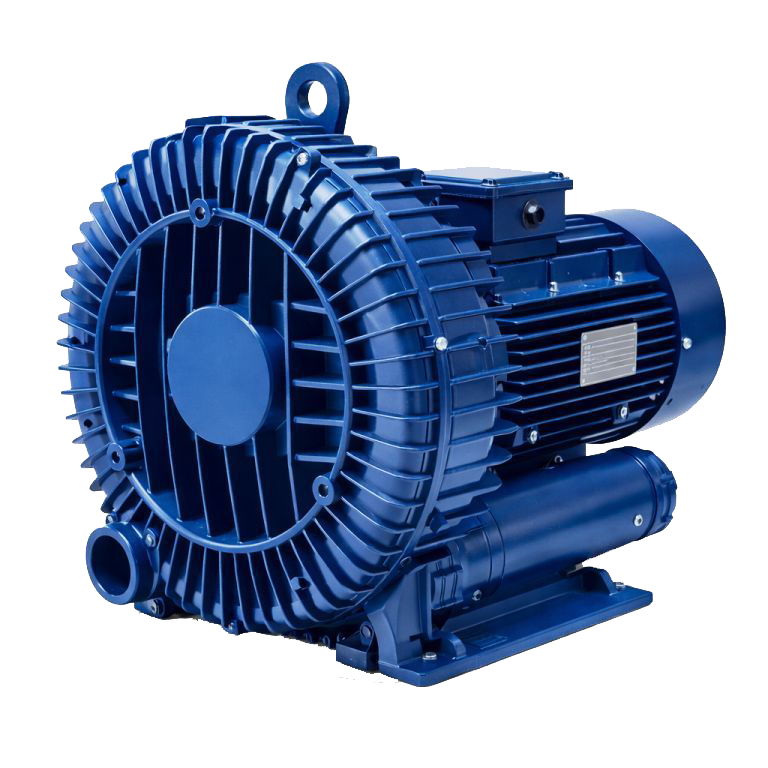
Vibration Control Engineering in Industrial Ring Blowers
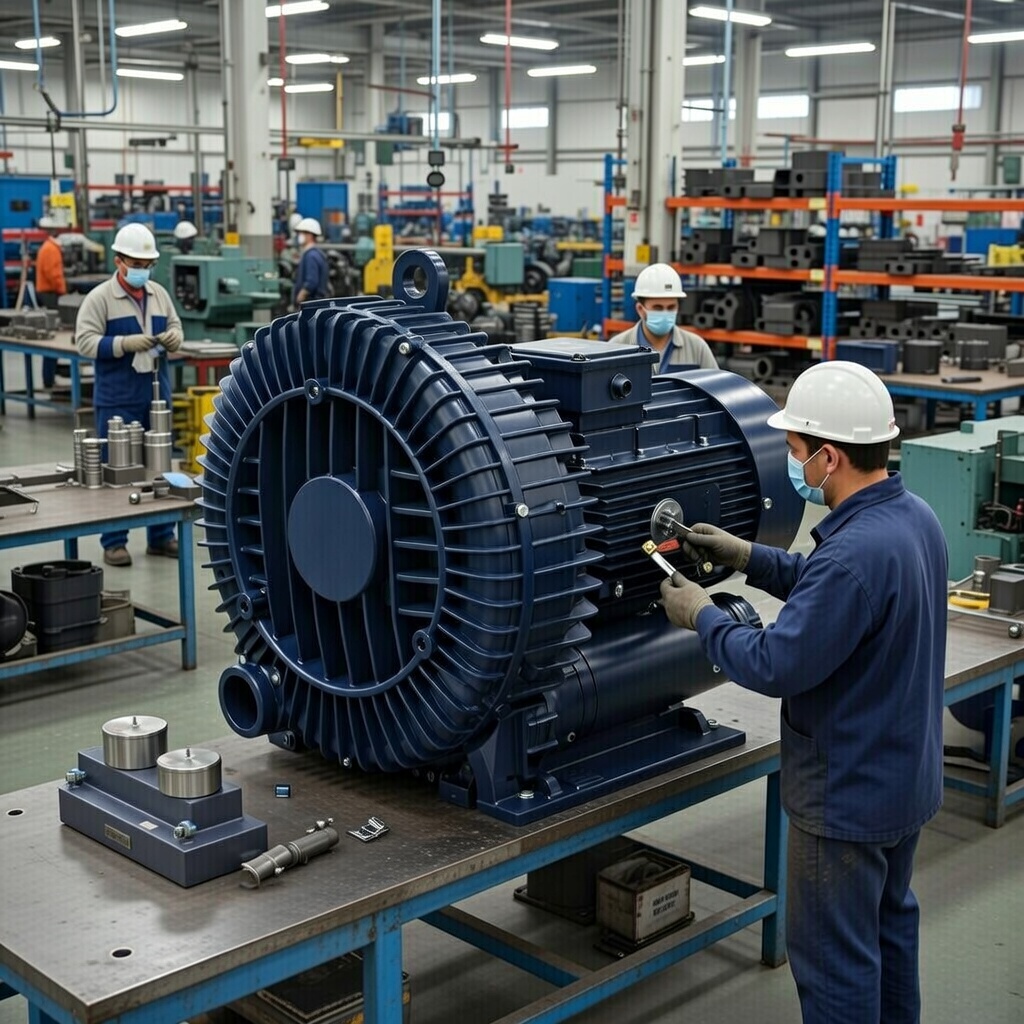
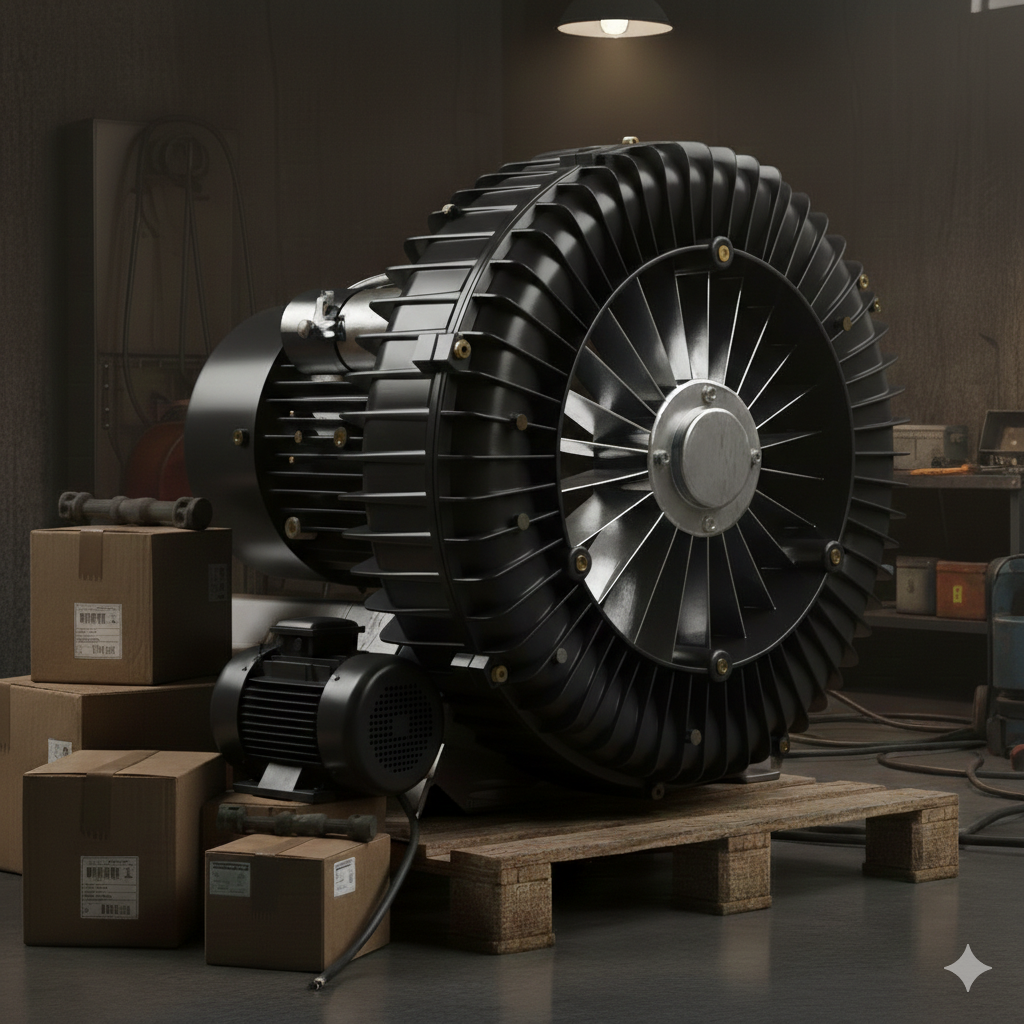
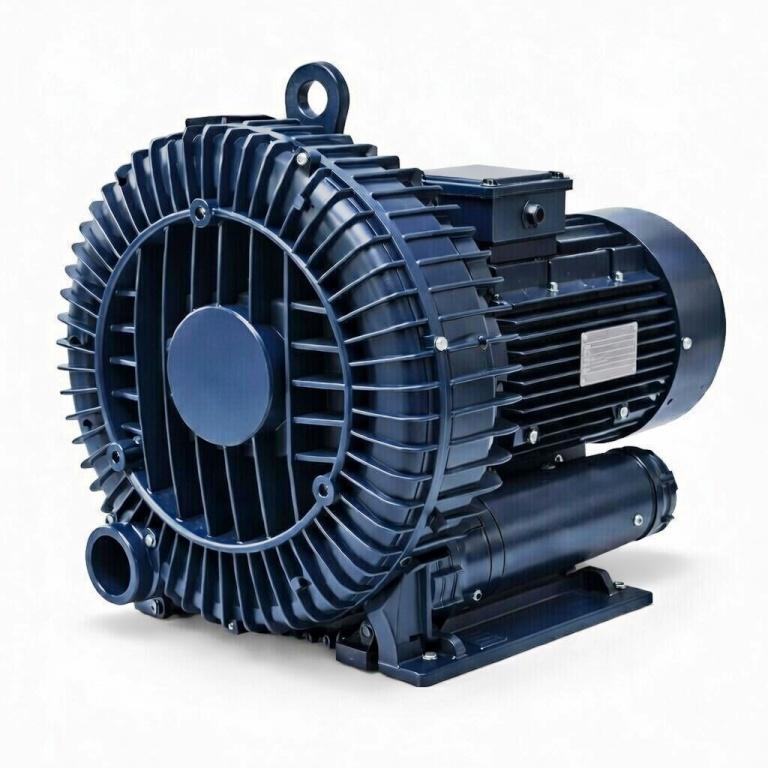
In industrial environments, vibration is more than just noise or movement — it is a serious engineering issue. Excessive vibration can damage equipment, reduce efficiency, increase maintenance costs, and shorten machine life. For high-speed machines like ring blowers (side channel / regenerative blowers), vibration control is a critical part of system design and operation.
Modern industries demand stable, silent, reliable, and long-life machines, and vibration control engineering plays a key role in achieving this.
This blog explains in a simple and practical way how vibration control engineering works in industrial ring blowers and why it is essential for performance, safety, and reliability.
Why Vibration Control Matters in Ring Blowers
Uncontrolled vibration can cause:
- Bearing damage
- Shaft misalignment
- Motor failure
- Structural fatigue
- Pipe stress
- Noise increase
- Energy loss
- System inefficiency
- Frequent breakdowns
- Short equipment life
Vibration is a silent destroyer of industrial machinery.
Sources of Vibration in Ring Blowers
Understanding vibration sources is the first step to control.
🔹 Rotor Imbalance
Uneven weight distribution in the impeller causes centrifugal vibration.
🔹 Shaft Misalignment
Misaligned shafts create mechanical stress and vibration.
🔹 Bearing Wear
Worn bearings cause friction and instability.
🔹 Motor Imbalance
Motor defects transfer vibration to the blower.
🔹 Structural Resonance
Machine vibration amplifies through weak foundations or frames.
🔹 Airflow Turbulence
Unstable airflow causes pressure pulsations and vibration.
🔹 Pipe Stress
Rigid piping transfers vibration into the blower body.
Vibration Control Engineering Techniques
⚙ Precision Balancing
- Dynamic rotor balancing
- Impeller mass correction
- High-speed balancing standards
This ensures smooth rotation.
🧱 Structural Design Optimisation
- Rigid blower housing
- Reinforced frames
- Vibration-resistant materials
- Balanced load distribution
🛠 Precision Manufacturing
- Tight tolerances
- CNC machining
- High-quality assembly
- Precision alignment
🧩 Isolation Systems
- Rubber mounts
- Spring isolators
- Anti-vibration pads
- Flexible connectors
- Vibration dampers
These prevent vibration transfer.
🔄 Flexible Pipe Connections
- Flexible hoses
- Expansion joints
- Soft connectors
Reduce system stress.
🧠 Smart Monitoring Systems
- Vibration sensors
- Condition monitoring
- Real-time alerts
- Predictive diagnostics
🌡 Thermal Control Engineering
- Heat management
- Thermal expansion control
- Cooling airflow design
Thermal stability reduces vibration.
Design-Level Vibration Control
Modern ring blower design includes:
- Balanced impeller geometry
- Symmetrical air channels
- Low-turbulence airflow paths
- Aerodynamic optimisation
- Structural rigidity
- Integrated vibration damping
Vibration control starts at design stage, not installation.
Installation Engineering for Vibration Control
Correct installation includes:
- Flat foundation base
- Level mounting
- Proper alignment
- Flexible couplings
- Vibration isolators
- Balanced pipe loading
- Proper anchoring
- Structural support
Bad installation = vibration problems.
Operational Vibration Control
Operational practices:
- Avoid overload
- Maintain airflow balance
- Avoid surge conditions
- Proper filtration
- Temperature control
- Load-based operation
Stable operation = low vibration.
Maintenance for Vibration Prevention
Preventive maintenance includes:
- Bearing inspection
- Lubrication checks
- Impeller cleaning
- Alignment verification
- Filter maintenance
- Structural inspection
- Vibration analysis
Maintenance prevents vibration growth.
Benefits of Vibration Control Engineering
⚙ Performance Benefits
- Smooth operation
- Higher efficiency
- Stable airflow
- Consistent pressure
🛠 Reliability Benefits
- Long equipment life
- Fewer failures
- Reduced downtime
- Lower maintenance cost
🔇 Workplace Benefits
- Low noise
- Better working environment
- Reduced fatigue
- Improved safety
💰 Financial Benefits
- Lower repair cost
- Higher ROI
- Asset protection
- Reduced replacement cost
Smart Vibration Management
Future systems use:
- AI vibration analysis
- Predictive maintenance
- Digital twin vibration models
- Automated balancing
- Smart damping systems
- Real-time diagnostics
Applications Where Vibration Control Is Critical
- Clean rooms
- Micro-factories
- Electronics manufacturing
- Biotech plants
- Hospitals
- Cold storage facilities
- Packaging industries
- Automation systems
- Precision manufacturing
Conclusion
Vibration control engineering is not optional in industrial ring blowers — it is essential.
It ensures:
- Long machine life
- Reliable performance
- Energy efficiency
- Low noise
- Process stability
- Operational safety
- Asset protection
- Sustainable operation
Ring blowers are high-speed precision machines —
And precision machines require precision engineering.
By controlling vibration, industries transform ring blowers from simple machines into long-life, reliable industrial assets.
Because in modern industry,
Smooth machines mean successful operations.

Leave A Comment