

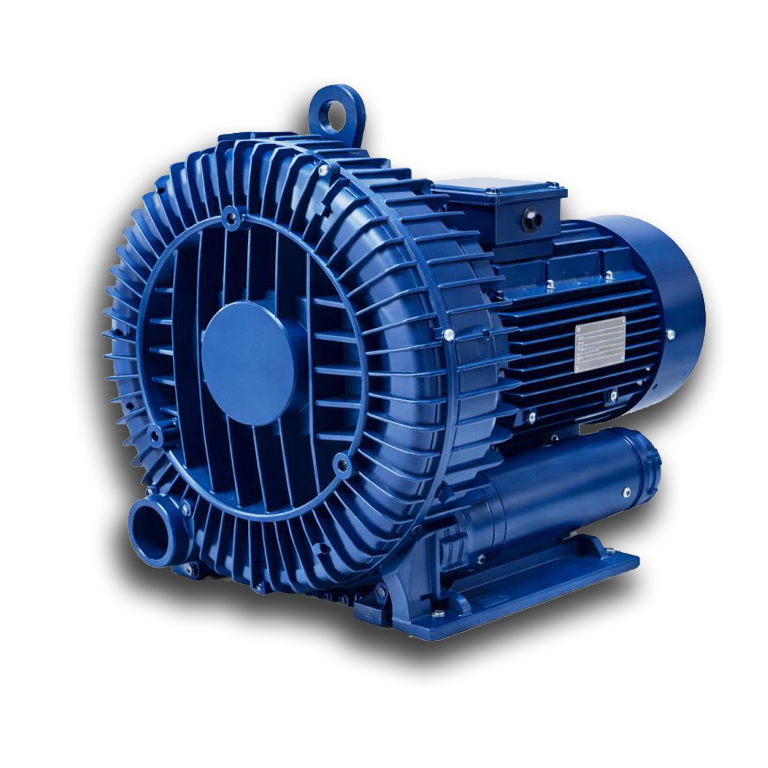
Ring Blowers in Manufacturing – Use Cases & Industry Applications
Introduction
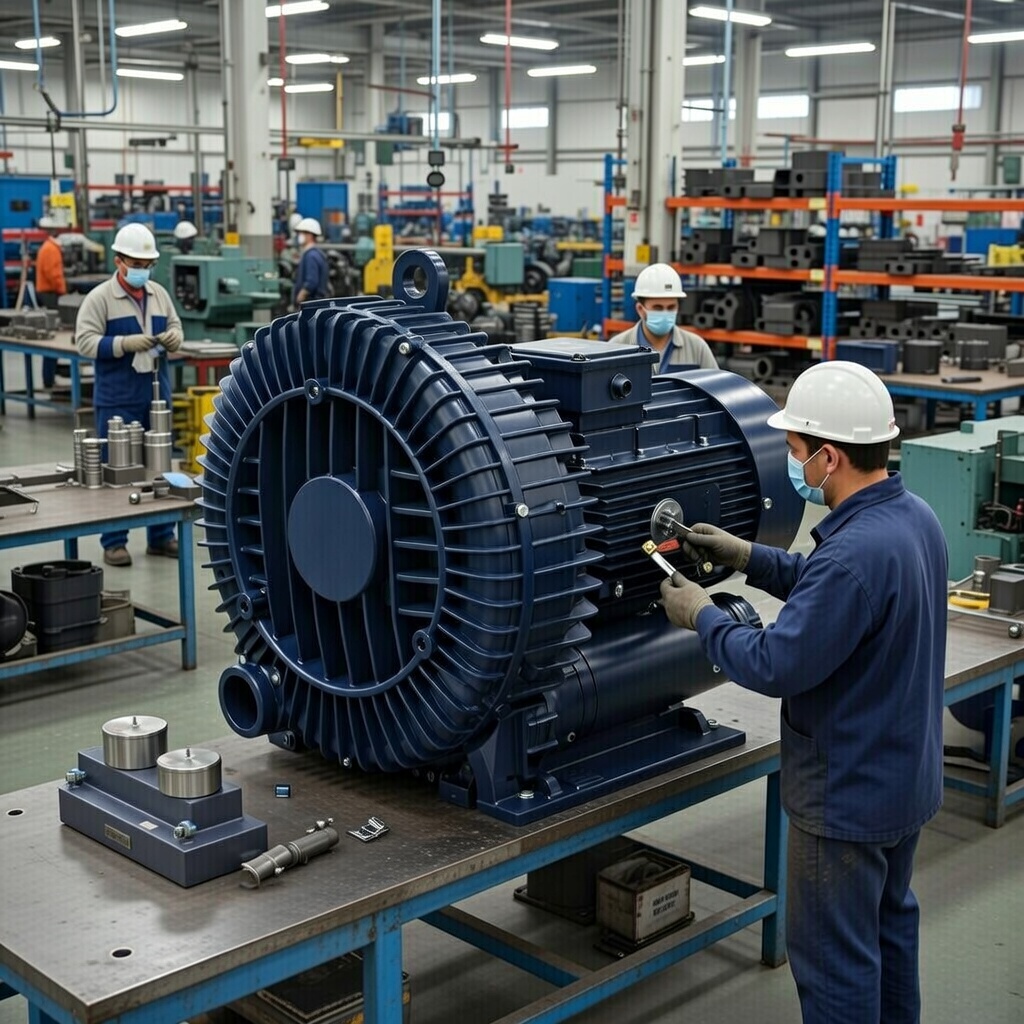
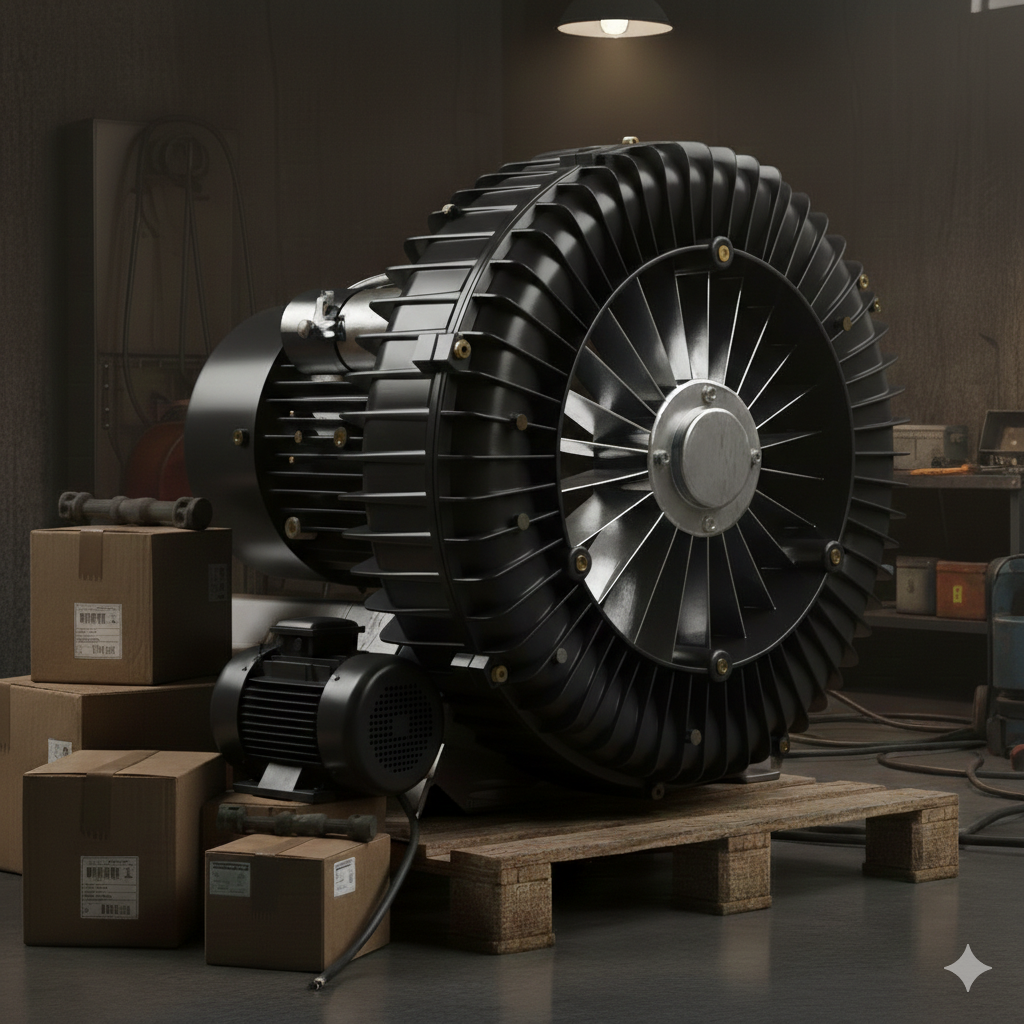
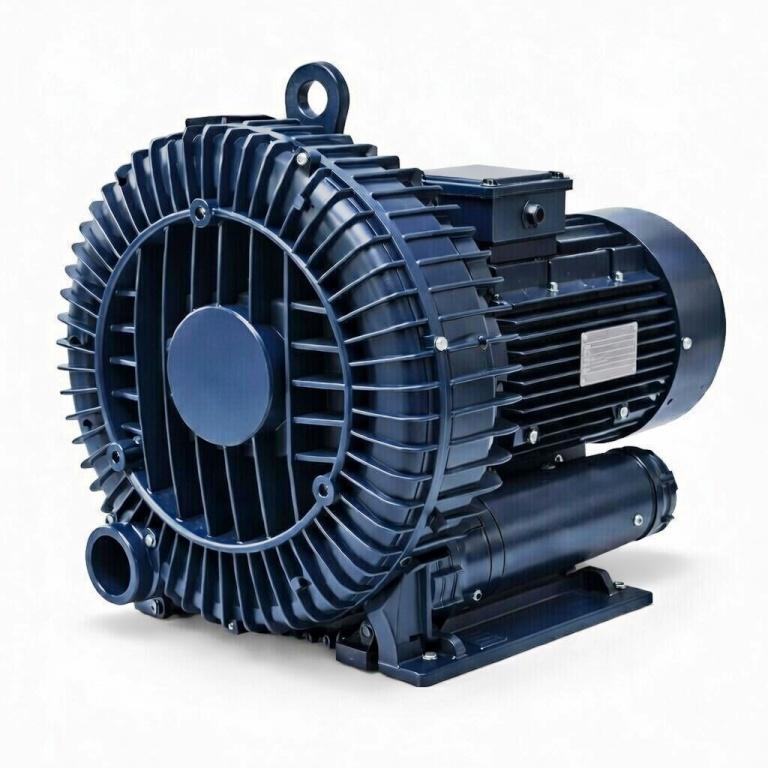
In modern manufacturing, efficient airflow management is no longer a luxury—it is a necessity. From material handling and automation to environmental control and product quality, air movement systems play a critical role in industrial performance. Among the most reliable and versatile technologies used today are Ring blowers, also known as side channel blowers, regenerative blowers, or ring blowers.
Ring blowers are oil-free, contactless air machines designed to deliver continuous, pulsation-free airflow for both pressure and vacuum applications. Their compact design, low maintenance requirements, energy efficiency, and reliability make them ideal for 24/7 industrial operations.
This blog explores the key use cases of Ring blowers in manufacturing and how different industries leverage this technology to improve productivity, quality, safety, and sustainability.
What Are Ring Blowers?
Ring blowers operate on the principle of regenerative air movement. Air enters the blower, is accelerated by a rotating impeller, and moves through a side channel where it gains energy repeatedly, creating high pressure or vacuum.
Key Characteristics:
- Oil-free operation
- Contactless impeller design
- Continuous duty capability (24/7 operation)
- Low vibration and low noise
- Compact footprint
- High reliability
- Minimal maintenance
These features make Ring blowers ideal for sensitive industrial environments where clean, stable airflow is required.
Importance of Ring Blowers in Manufacturing
Manufacturing environments demand:
- Clean air systems
- Energy efficiency
- Low operational downtime
- Process reliability
- Scalable airflow solutions
Ring blowers meet all these requirements, making them a preferred choice across multiple manufacturing sectors.
Major Manufacturing Use Cases
1. Pneumatic Conveying Systems
Ring blowers are widely used for pneumatic material transport in:
- Cement plants
- Chemical processing
- Food manufacturing
- Plastic processing
- Powder handling
They enable safe, clean, and efficient transfer of powders, granules, and lightweight materials without contamination.
2. Vacuum Handling and Pick-and-Place Automation
In automated production lines, Ring blowers are used for:
- Robotic vacuum gripping
- Pick-and-place systems
- Packaging automation
- Product positioning
Their stable vacuum pressure ensures precise handling of products without damage.
3. Packaging Industry Applications
Ring blowers support packaging processes such as:
- Vacuum sealing
- Product lifting
- Bottle blowing assistance
- Carton forming
- Film handling
They improve production speed while maintaining product integrity.
4. Wastewater and Effluent Treatment Plants
In manufacturing facilities with in-house treatment plants, Ring blowers are used for:
- Aeration systems
- Biological treatment processes
- Sludge drying
- Odor control
Their continuous operation capability ensures stable oxygen supply for biological processes.
5. Dust Extraction and Filtration Systems
Used in:
- Metal fabrication
- Wood processing
- Cement plants
- Textile units
Ring blowers support:
- Dust collection
- Fume extraction
- Air filtration
- Pollution control systems
6. Cooling and Drying Applications
Manufacturing processes require controlled cooling and drying in:
- Injection molding
- Electronics manufacturing
- Textile processing
- Printing industries
Ring blowers provide uniform airflow for:
- Product drying
- Surface cooling
- Moisture removal
7. Food & Beverage Manufacturing
Applications include:
- Vacuum packaging
- Product drying
- Clean air handling
- Ingredient conveying
- Aeration processes
Oil-free operation ensures hygiene and food safety compliance.
8. Pharmaceutical & Medical Manufacturing
Used in:
- Clean rooms
- Tablet coating
- Capsule handling
- Powder conveying
- Vacuum filtration
They ensure contamination-free air supply.
9. Plastic & Polymer Processing
Ring blowers are used for:
- Granule conveying
- Mold cooling
- Film handling
- Product drying
- Vacuum forming
10. Recycling & Circular Economy Plants
Applications include:
- Plastic recycling
- Paper recycling
- Waste segregation
- Material separation
- Air classification systems
They support sustainable manufacturing and circular economy models.
Benefits of Ring Blowers in Manufacturing
- Energy Efficiency – Optimized airflow with low power consumption
- Low Maintenance – No oil, no internal friction parts
- High Reliability – Suitable for continuous operations
- Compact Design – Space-saving installations
- Clean Operation – Contamination-free air
- Noise Reduction – Low acoustic emission
- Operational Safety – Stable pressure and vacuum
Role in Smart Manufacturing (Industry 4.0)
Modern Ring blowers can be integrated with:
- IoT sensors
- Digital monitoring systems
- VFD controls
- Smart factory automation
This enables:
- Predictive maintenance
- Energy optimization
- Remote monitoring
- Performance analytics
ESG & Sustainable Manufacturing Impact
Ring blowers support ESG goals through:
- Reduced energy consumption
- Lower carbon footprint
- Oil-free eco-friendly operation
- Long equipment lifecycle
- Sustainable air management
Why Manufacturers Prefer Ring Blowers
Manufacturers choose Ring blowers because they deliver:
- Process stability
- Production efficiency
- Operational reliability
- Long-term cost savings
- Compliance with industrial standards
- Environmental responsibility
Conclusion
Ring blowers have become an essential component of modern manufacturing ecosystems. Their versatility, reliability, and efficiency make them suitable for a wide range of industrial applications—from automation and packaging to wastewater treatment and sustainable manufacturing.
As industries move towards smart factories, ESG compliance, and digital transformation, Ring blowers will continue to play a critical role in shaping the future of manufacturing.

Leave A Comment